Managing gallbladder health can be tricky, especially when flare-ups sneak up and cause discomfort. One of the key ways to keep these flare-ups at bay is by following a smart eating routine. A gallbladder diet meal plan focuses on foods that are gentle on your digestive system and help prevent the formation of gallstones or inflammation. By choosing the right foods, you can keep your gallbladder happy and avoid those painful episodes.
Understanding the Gallbladder and Its Role
The gallbladder is a small organ tucked under your liver. Its main job is to store bile, which helps digest fats. When you eat fatty foods, the gallbladder squeezes bile into the small intestine to help break down fats. However, if the bile contains too much cholesterol or if the gallbladder isn’t working well, gallstones can form. These stones may block bile flow, causing severe pain and flare-ups.
Eating the wrong foods can trigger these flare-ups, but a gallbladder diet meal plan helps prevent that by focusing on low-fat, nutrient-rich foods. Think of it as giving your gallbladder a gentle hug instead of a punch.
Why a Gallbladder Diet Meal Plan Matters
A gallbladder diet meal plan doesn’t just help people who have had gallbladder attacks or surgery—it’s also a smart choice for those wanting to maintain good health. Such a plan aims to reduce fat intake, avoid foods that cause bile to become too thick, and include plenty of fiber to keep digestion smooth.
Following this plan can:
- Reduce the risk of gallstone formation
- Minimize the chances of gallbladder inflammation
- Help maintain a healthy weight, which also plays a role
- Support overall digestive health
Key Components of a Gallbladder-Friendly Diet
Limit Fat Intake
High-fat meals make the gallbladder work overtime, which isn’t ideal if you’re prone to flare-ups. Aim for healthy fats in small amounts, like those found in avocados, nuts, and olive oil. Avoid fried foods, fatty meats, and creamy sauces.
Increase Fiber
Fiber helps your digestive system move things along smoothly and may prevent issues linked to gallstones. Fruits, vegetables, whole grains, and legumes are great sources of fiber. They also provide vitamins and minerals your body loves.
Choose Lean Proteins
Protein is important, but not all sources are equal for gallbladder health. Opt for lean proteins such as chicken breast, turkey, fish, and plant-based options like tofu. These choices won’t overload your gallbladder.
Stay Hydrated
Drinking enough water is like giving a tune-up to your whole system. It helps keep bile thinner and flowing freely. Aim for at least 8 glasses a day to keep your gallbladder in good shape.
Watch Portion Sizes
Eating large meals can cause the gallbladder to contract forcefully, potentially triggering pain. It’s better to have smaller, more frequent meals to keep things balanced.
Sample Gallbladder Diet Meal Plan
| Meal | Food Choices | Notes |
|---|---|---|
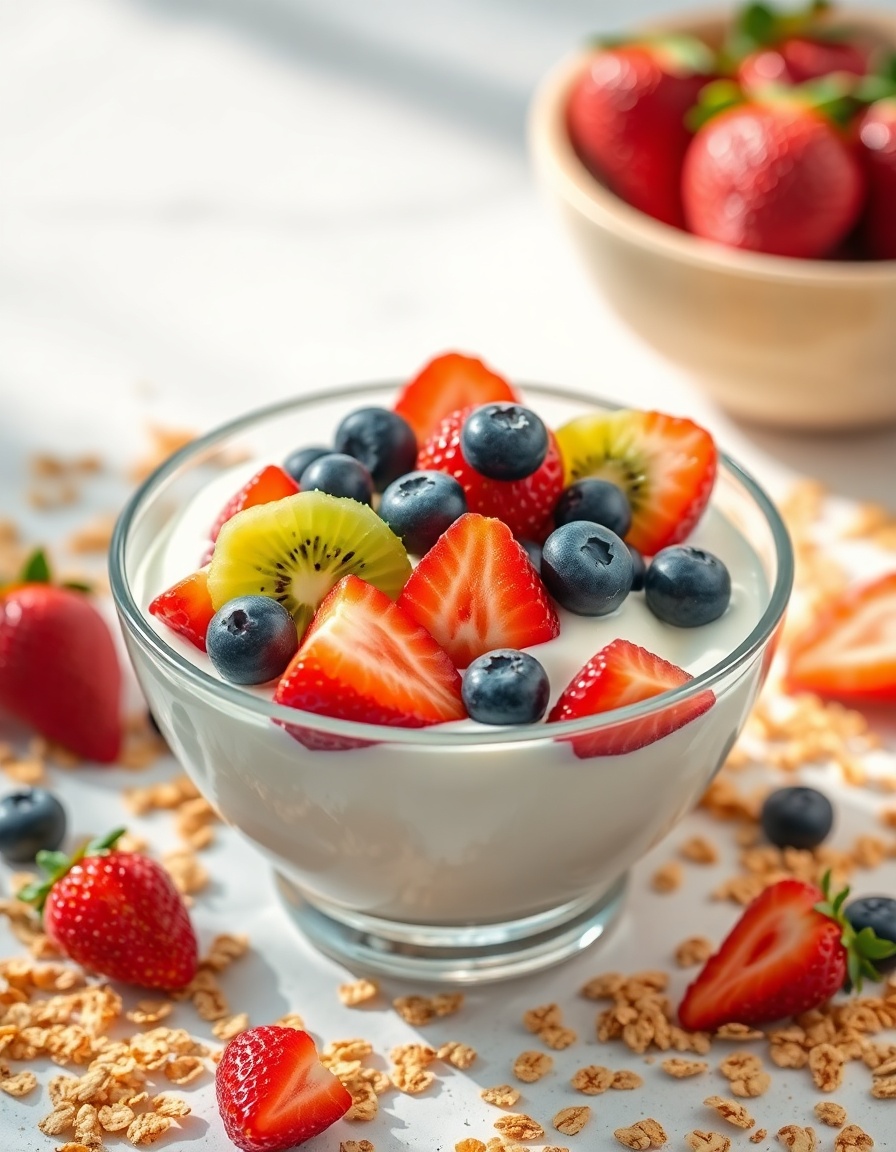
| Breakfast | Oatmeal with fresh berries and a drizzle of honey | High fiber, low fat, and gentle on digestion |
| Snack | Low-fat yogurt with sliced almonds | Protein and healthy fats in small amounts |
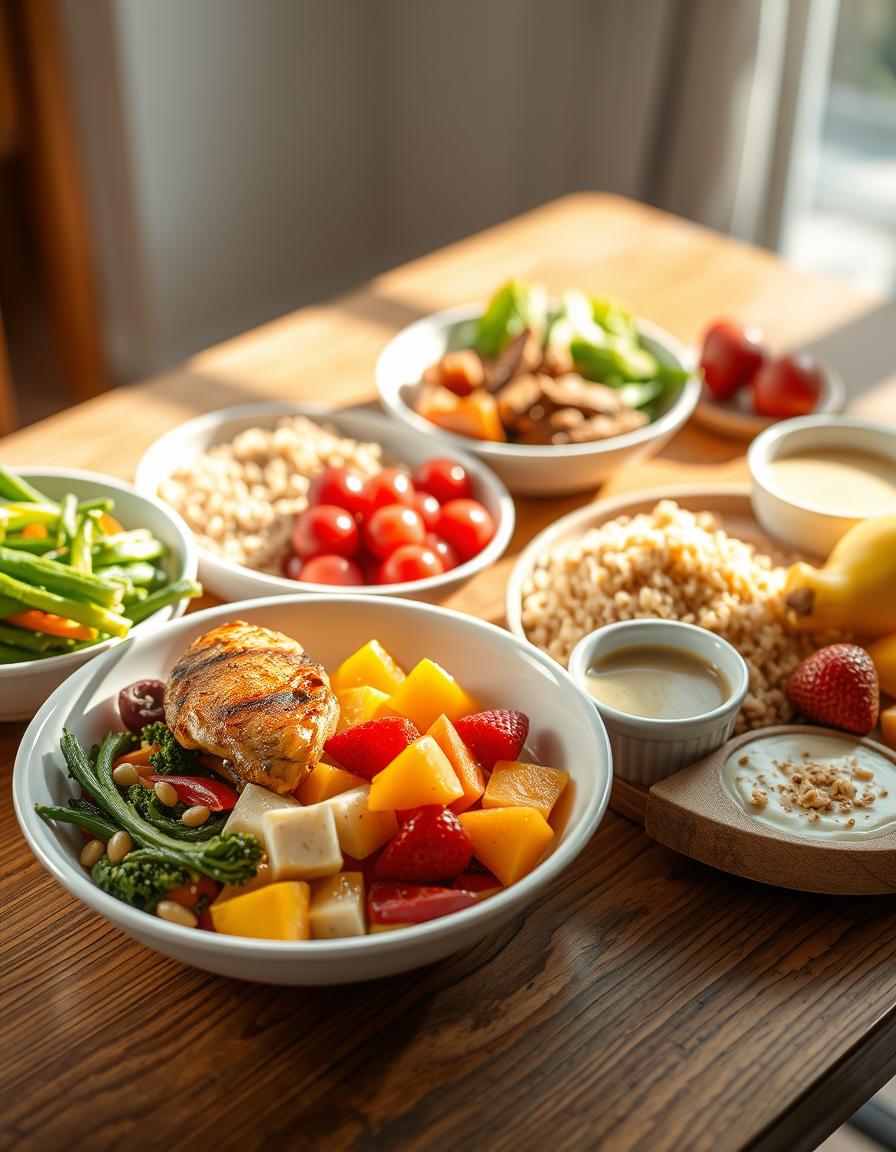
| Lunch | Grilled chicken salad with mixed greens, cucumbers, and olive oil dressing | Lean protein and healthy fats |
| Snack | Carrot sticks and hummus | Fiber-rich and satisfying |
| Dinner | Baked salmon with steamed broccoli and brown rice | Omega-3 fats and fiber-packed vegetables |
A fun tip: if you enjoy eggs, try making hard boiled eggs instant pot style for an easy, gallbladder-friendly protein source.
Foods to Avoid on a Gallbladder Diet
- Fried and greasy foods (french fries, fried chicken)
- High-fat dairy products (cream, butter, whole milk)
- Fatty cuts of meat (sausage, bacon, ribs)
- Processed snacks (chips, pastries, cookies)
- Refined sugars and white flour products
Keeping these items out of your diet reduces the stress on your gallbladder and lowers the chance of painful flare-ups.
Tips for Staying on Track
It’s easy to slip up when junk food calls your name. Here are some simple ways to stick with your gallbladder diet meal plan:
- Plan meals ahead to avoid last-minute choices
- Keep healthy snacks handy to curb cravings
- Experiment with herbs and spices to add flavor without fat
- Cook at home more often, so you control what goes into your food
Remember, changing eating habits is like training a puppy—you need patience and a little persistence. Celebrate small wins and forgive occasional slip-ups.
When to Talk to a Doctor
If you’re experiencing frequent gallbladder pain or severe flare-ups, it’s important to see a healthcare provider. Sometimes medication or even surgery might be necessary. A gallbladder diet meal plan can help reduce symptoms but isn’t a substitute for professional advice.
Conclusion
Keeping gallbladder flare-ups under control often comes down to the foods you eat. Following a gallbladder diet meal plan that limits fat, boosts fiber, and provides lean proteins can make a noticeable difference. Staying hydrated and eating smaller meals also support your gallbladder’s health. With these habits, you can reduce painful episodes and enjoy your meals without worry. Remember, consistency is key, and your gallbladder will thank you for the care you give it!

Timo is the founder of LiteDietPlan.com, where smart nutrition meets simple living.