Eating a high fiber diet plan can make a noticeable difference in your health and energy levels. Fiber is a type of carbohydrate that your body doesn’t digest, but it plays a major role in keeping your digestive system happy and working smoothly. Many people don’t get enough fiber every day, but adding it to your meals can have surprising benefits—from improving digestion to supporting heart health. The good news is, incorporating a high-fiber meal strategy can be simple, tasty, and even fun.
Why Fiber Matters
Fiber is more than just roughage. It comes in two main types: soluble and insoluble. Soluble fiber dissolves in water and forms a gel-like substance, which helps lower cholesterol and control blood sugar. Insoluble fiber adds bulk to stool and helps food move faster through the gut, preventing constipation. Both types work together to keep your digestive system in good shape.
Many studies link a high fiber diet plan with reduced risks of chronic diseases like heart disease, diabetes, and certain cancers. Plus, fiber helps you feel full longer, which can be a major help if you’re trying to manage your weight.
Common Sources of Fiber
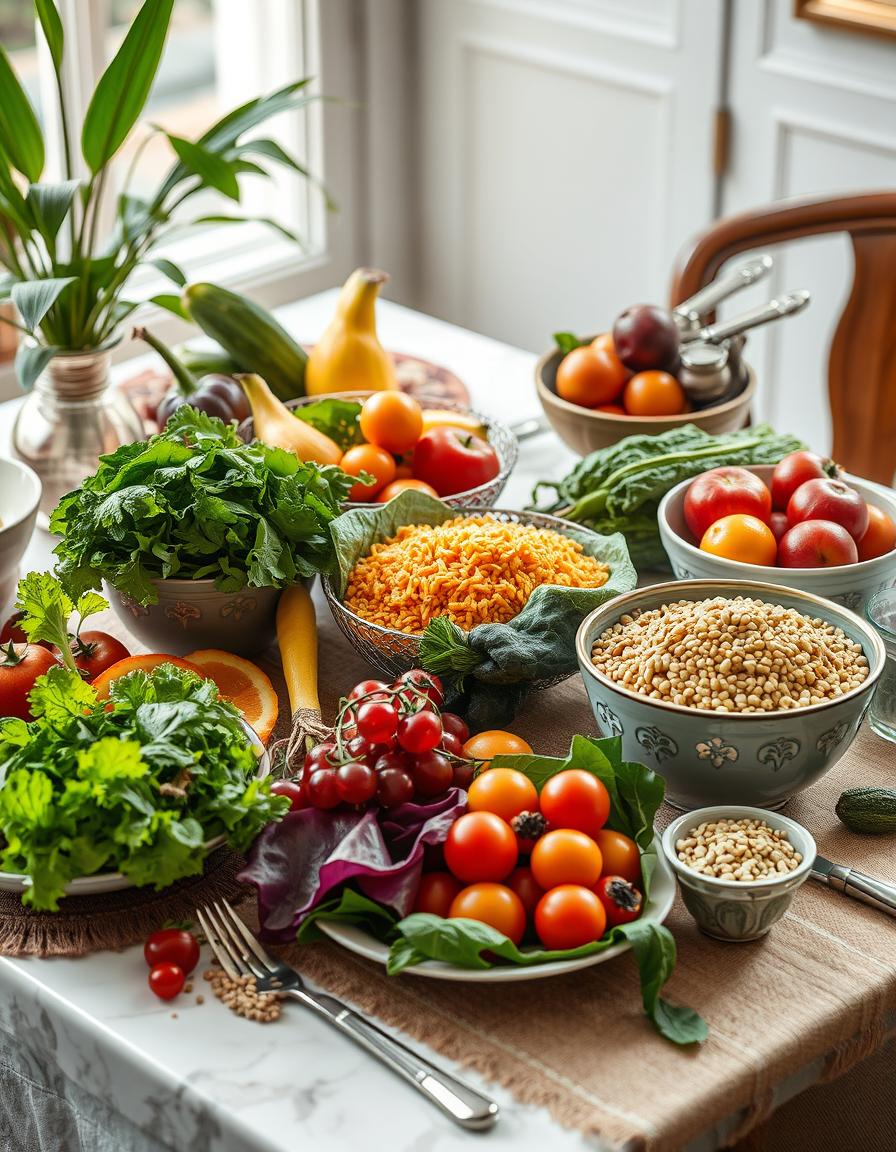
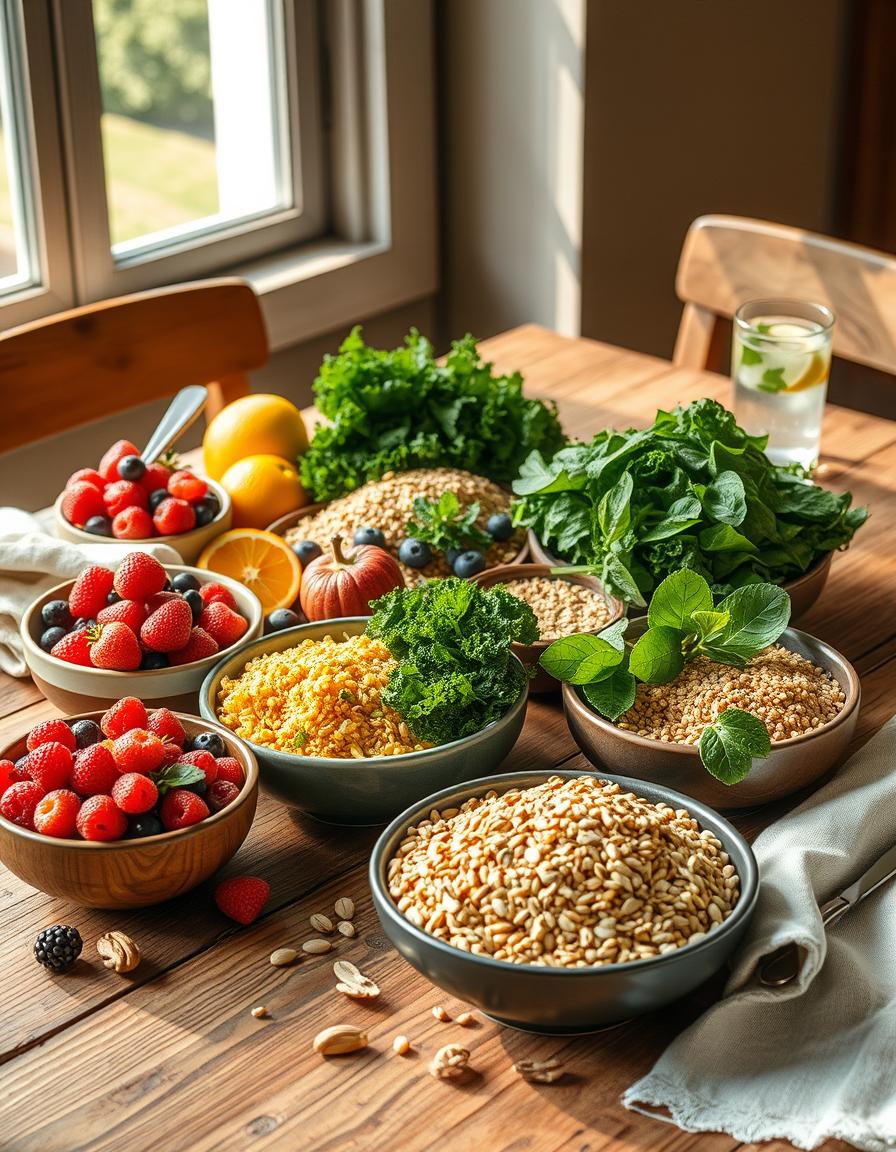
- Whole grains like oats, brown rice, and barley
- Fruits such as apples, berries, and pears
- Vegetables including broccoli, carrots, and spinach
- Legumes like beans, lentils, and chickpeas
- Nuts and seeds
By mixing these foods into your meals, you naturally boost your fiber intake without feeling like you’re missing out on flavor or satisfaction.
Building a High Fiber Diet Plan That Works
Creating a high fiber diet plan can sound like a chore, but it doesn’t have to be complicated. Think of it as adding colorful puzzle pieces to your plate. Variety is key. The more different fiber sources you include, the better your body benefits.
Start Your Day with Fiber
Breakfast is the perfect time to load up on fiber. Swap out sugary cereals for oats topped with fresh fruit and a sprinkle of nuts. Or try whole grain toast with avocado and tomato slices. These choices keep you energized and satisfied through the morning.
Lunch and Dinner Choices
Include plenty of vegetables and legumes at lunch and dinner. A bean chili with brown rice, or a big salad with chickpeas, carrots, and quinoa can be both filling and fiber-rich. Remember, fiber loves water, so drink plenty of fluids alongside your meals.
Snacks That Keep You Going
Snacking smart is a great way to hit your fiber goals. Raw veggies with hummus, a handful of almonds, or fruit like pears or berries make excellent choices. For those who pack snacks for little ones, this link offers a helpful list of healthy snacks for kids that can inspire you to keep everyone fueled and happy.
Tips to Ensure a Smooth Transition to Higher Fiber
Jumping straight into a super high fiber meal plan can cause bloating or gas because your gut isn’t used to it. To avoid discomfort, increase fiber slowly over a few weeks. This gives your digestive system the chance to adjust. Also, drink plenty of water throughout the day to help fiber do its job effectively.
| Step | Action | Reason |
|---|---|---|
| 1 | Add one high-fiber food to each meal | Gradual increase prevents digestive upset |
| 2 | Drink at least 8 cups of water daily | Water helps fiber move through the gut |
| 3 | Replace refined grains with whole grains | Whole grains have more fiber and nutrients |
| 4 | Include legumes several times a week | Beans and lentils are fiber-packed and filling |
Delicious Meal Ideas to Boost Fiber
Finding recipes that combine fiber with flavor is easier than you might think. Here are some tasty ideas to get you started:
- Overnight Oats: Mix oats, chia seeds, almond milk, and berries. Let it sit overnight for a fiber-friendly breakfast.
- Vegetable Stir-Fry: Use broccoli, snap peas, carrots, and tofu over brown rice for a fiber-filled dinner.
- Lentil Soup: Simmer lentils with tomatoes, onions, and garlic for a warm, hearty meal.
- Chickpea Salad: Combine chickpeas, cucumbers, cherry tomatoes, and a lemon vinaigrette for a refreshing lunch.
Adding fiber to your meals doesn’t need to be boring or bland. Experiment with spices and herbs for extra flavor, and you might discover new favorite dishes!
Common Fiber Myths Debunked
There are plenty of stories about fiber that aren’t quite true. For example, some say you need fiber supplements to get enough. While supplements can help in some cases, the best fiber comes from whole foods packed with vitamins and minerals. Another myth is that fiber causes constipation, but the opposite is true when you pair fiber with enough fluids. Lastly, some believe fiber is only important for older adults, but everyone benefits from its protective effects.
Tracking Your Fiber Intake
Keeping tabs on how much fiber you eat can help you stay on track. Aim for about 25 grams per day for women and 38 grams for men, but listen to your body and adjust as needed. Using a simple notebook, smartphone app, or even a meal journal can make this easier.
| Food | Serving Size | Fiber (grams) |
|---|---|---|
| Apple with skin | 1 medium | 4.4 |
| Cooked lentils | 1 cup | 15.6 |
| Almonds | 1 oz (about 23 nuts) | 3.5 |
| Broccoli | 1 cup, cooked | 5.1 |
| Oatmeal | 1 cup cooked | 4 |
Conclusion
Adopting a high fiber diet plan is a smart choice that can improve your digestion, boost heart health, and keep you feeling full and satisfied throughout the day. With a little creativity and simple swaps, you can easily weave fiber-rich foods into every meal. Remember, start slow, drink plenty of water, and enjoy the delicious tastes along the way. Your body will thank you for it!

Timo is the founder of LiteDietPlan.com, where smart nutrition meets simple living.