Eating kidney-friendly meals can be a challenge, especially when you want tasty food that supports your health. A renal diet menu plan focuses on limiting certain nutrients like sodium, potassium, and phosphorus to help your kidneys work better. Whether you have chronic kidney disease or simply want to protect your kidneys, understanding what to eat makes a big difference. Luckily, eating well doesn’t mean boring food—it can be quite enjoyable with the right choices.
What is a Renal Diet?
A renal diet is a way of eating that supports kidney health by managing the intake of minerals and fluids that make the kidneys work hard. Kidneys filter waste, balance fluids, and control minerals like potassium and phosphorus in your blood. When kidneys aren’t working well, too much of these substances can build up and cause problems.
To help your kidneys, a renal diet menu plan reduces foods high in sodium, potassium, and phosphorus, while providing enough protein and energy to keep you strong. The goal is to protect kidney function, reduce symptoms, and improve quality of life.
Key Nutrients to Watch
Sodium
Sodium makes food tasty, but too much salt can cause fluid buildup and high blood pressure, adding stress to your kidneys. Processed foods, canned soups, and salty snacks are common culprits. Limiting sodium helps keep blood pressure in check and reduces swelling.
Potassium
Potassium is found in many fruits and vegetables, but high levels can affect your heart rhythm if kidneys can’t filter it properly. Foods like bananas, oranges, potatoes, and tomatoes are high in potassium and usually need to be eaten in smaller amounts on a renal diet.
Phosphorus
Phosphorus keeps bones strong, but too much can cause bone and heart problems when kidneys struggle. Dairy products, nuts, seeds, and cola drinks tend to have a lot of phosphorus. Choosing lower-phosphorus foods helps maintain a healthy balance.
Building a Renal Diet Menu Plan
Creating a renal diet menu plan might feel like a puzzle, but with some guidelines, you can enjoy your meals without worry. Here are factors to consider when planning your daily eating:
- Protein: Moderate portions help reduce waste buildup but still support muscle health.
- Fluids: Depending on kidney function, fluid intake may need adjustment to prevent swelling.
- Vegetables and Fruits: Choose lower-potassium options and control portions.
- Grains: Whole grains generally have more phosphorus, so balance is important.
- Cooking Methods: Boiling vegetables can reduce potassium content significantly.
Sample Renal Diet Menu Plan
| Meal | Food Options | Notes |
|---|---|---|
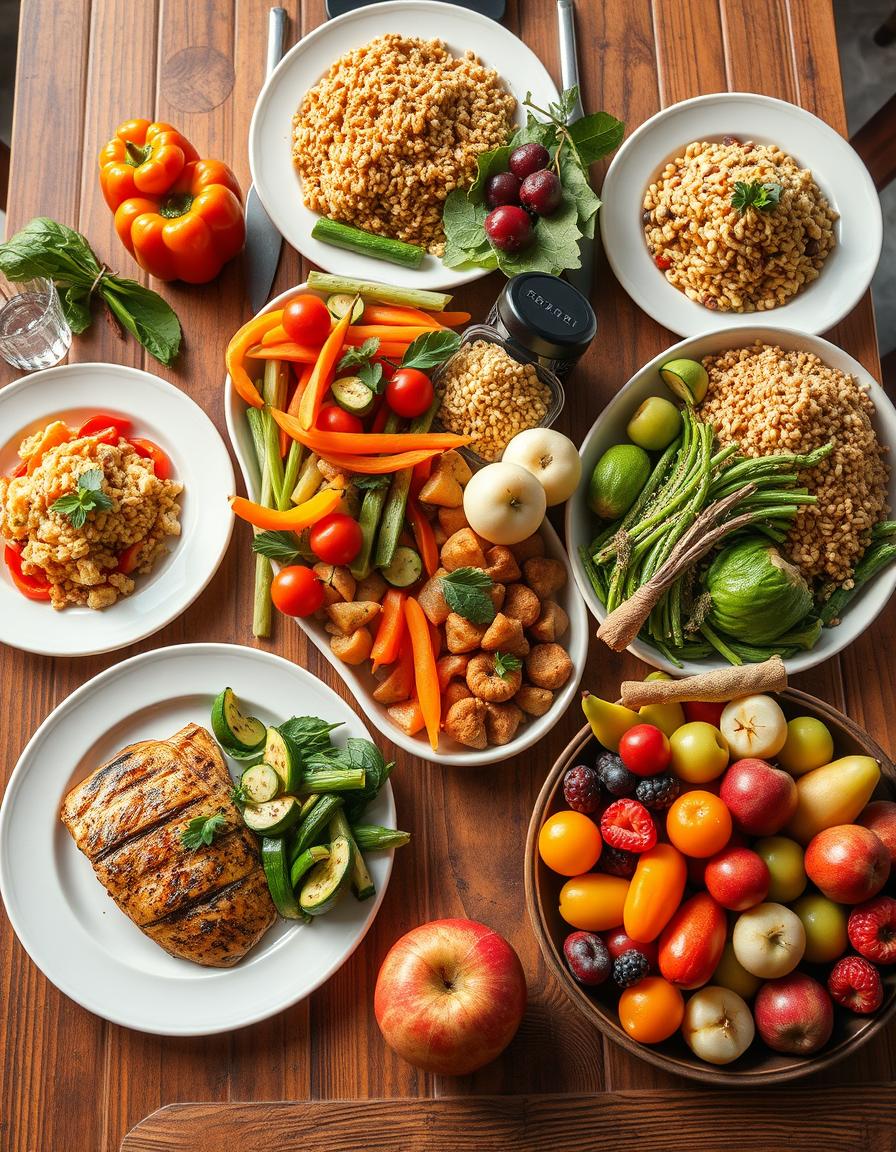
| Breakfast | Oatmeal with blueberries, scrambled egg whites, white toast | Low in potassium and phosphorus, moderate protein |
| Snack | Apple slices with almond butter (small portion) | Watch portion size for potassium |
| Lunch | Grilled chicken breast, steamed green beans, white rice | Lean protein and low potassium veggies |
| Snack | Banana zucchini carrot muffins | banana zucchini carrot muffins are kidney-friendly and tasty |
| Dinner | Baked fish, cauliflower mash, mixed greens salad (low sodium dressing) | Balanced meal with low potassium ingredients |
Tips for Success on a Renal Diet
Sticking to a renal diet menu plan takes practice and patience. Here are a few tips to help keep things on track:
- Plan Ahead: Preparing meals in advance reduces the temptation to grab unhealthy snacks.
- Read Labels: Sodium can hide in unexpected foods like bread, canned veggies, and sauces.
- Cook Smart: Boil or soak vegetables to lower potassium before eating.
- Watch Portions: Eating smaller amounts of high-potassium foods can help keep levels down.
- Stay Hydrated: Follow your healthcare provider’s advice on fluid intake, which may vary.
Common Foods to Include and Avoid
| Include | Avoid |
|---|---|
| Apples, berries, grapes | Bananas, oranges, tomatoes |
| White rice, pasta, white bread | Whole wheat bread, bran cereals |
| Egg whites, lean chicken, fish | Processed meats, organ meats |
| Cauliflower, green beans, cucumber | Potatoes, pumpkin, spinach |
| Low-sodium soups and broths | Regular canned soups, salted snacks |
Dealing with Challenges
Sometimes, avoiding favorite foods can feel like a bummer. But think of it this way—your kidneys are like hardworking employees you want to keep happy. Feeding them the right foods makes everything run smoother. If you miss the taste of your old meals, try swapping spices like garlic powder or herbs instead of salt. Experimenting keeps meals exciting and kidney-friendly.
Also, talking with a dietitian who understands kidney health can give you a unique roadmap to meals that fit your tastes and needs. Remember, small changes can have a big impact in the long run, and no one expects perfection.
Conclusion
A renal diet menu plan helps protect kidney function by managing nutrient intake carefully. By focusing on lower sodium, potassium, and phosphorus foods while eating enough protein and energy, you can support your kidneys without sacrificing flavor. Enjoying meals that meet your dietary needs is possible with planning and creativity. Whether it’s simple swaps or new recipes, taking care of your kidneys through diet is a smart and friendly step toward better health.

Timo is the founder of LiteDietPlan.com, where smart nutrition meets simple living.