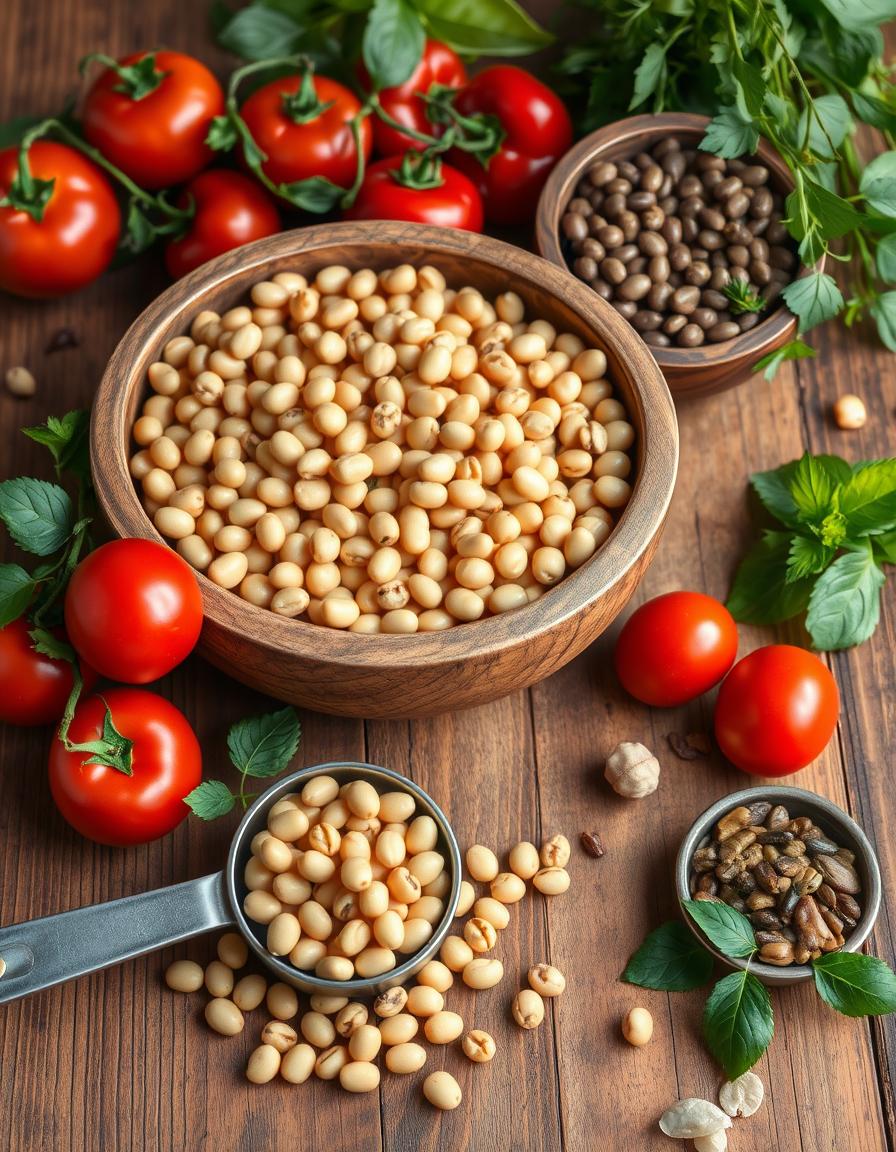
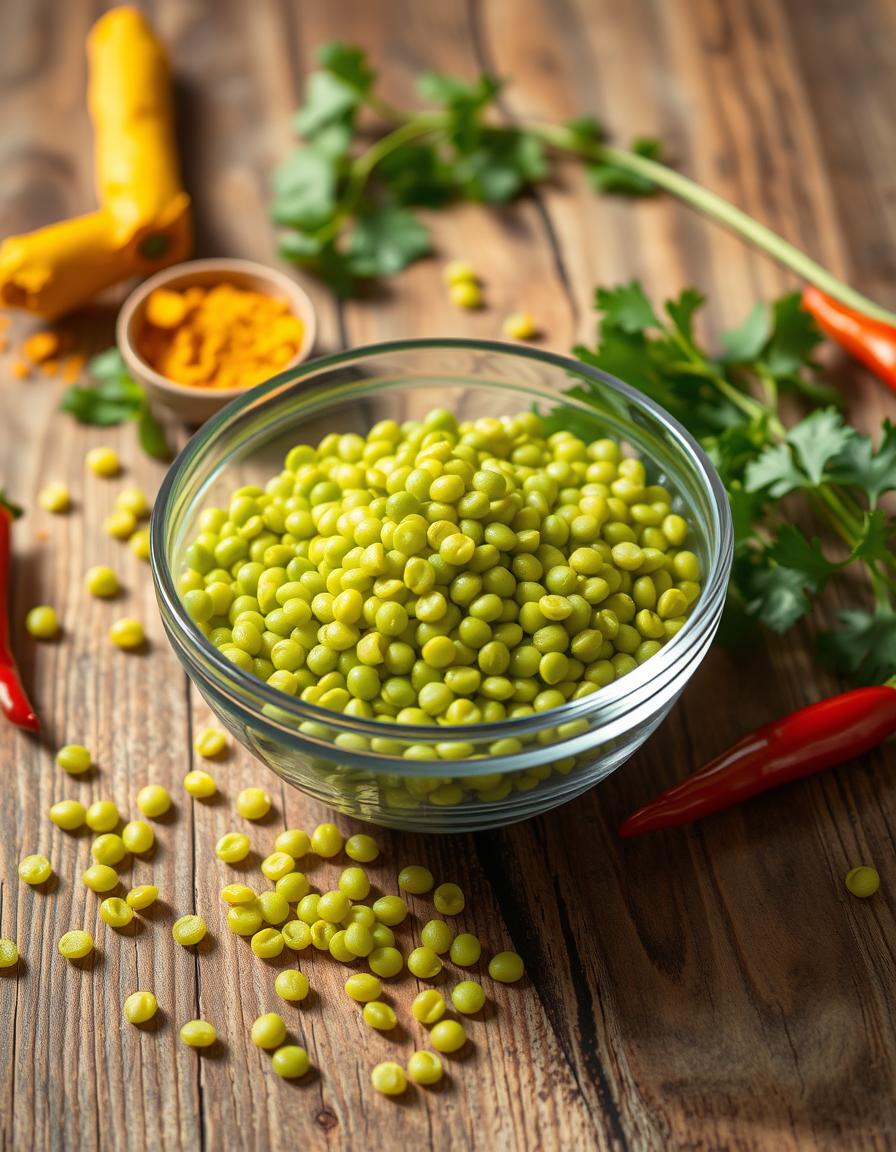
Moong dal, also known as mung bean lentils, is a staple in many households, especially in South Asian cuisine. Beyond its delicious taste, moong dal offers a wealth of nutrition that supports overall health. If you’ve ever wondered about moong dal nutrition facts and why it’s considered a superfood by many, you’re in the right place. This humble legume is packed with protein, fiber, and other nutrients that benefit your body in several ways.
Understanding Moong Dal Nutrition Facts
Moong dal is a powerhouse of nutrients, providing a balanced mix of macronutrients and micronutrients. Here’s a quick snapshot of the nutrition you can expect from 100 grams of cooked moong dal:
| Nutrient | Amount per 100g cooked |
|---|---|
| Calories | 105 kcal |
| Protein | 7 g |
| Carbohydrates | 19 g |
| Dietary Fiber | 7 g |
| Fat | 0.4 g |
| Iron | 1.4 mg |
| Potassium | 266 mg |
As you can see, moong dal is low in calories and fat, yet high in protein and fiber, making it an ideal choice for anyone looking to eat healthy without sacrificing flavor.
Protein Powerhouse: Why Moong Dal is Great for Muscle and Energy
Protein is essential for building and repairing muscles, and moong dal shines in this department. With about 7 grams of protein per 100 grams, it’s one of the best plant-based protein sources. Whether you’re an athlete, a student, or someone just trying to keep active, moong dal helps keep your muscles fueled and your energy levels in check.
Unlike many plant proteins, moong dal contains all the essential amino acids, though in smaller amounts, so pairing it with rice or whole grains can ensure you get a complete protein profile. It’s a delicious way for vegetarians and vegans to meet their protein needs without relying on animal products.
Dietary Fiber: The Unsung Hero
Fiber is often overlooked but plays an important role in keeping your digestive system in tip-top shape. Moong dal contains a generous amount of fiber – about 7 grams per 100 grams – which is fantastic for gut health.
- Improves Digestion: Fiber helps food move smoothly through your intestines and prevents constipation.
- Controls Blood Sugar: It slows down sugar absorption, which can help maintain steady blood sugar levels.
- Supports Heart Health: Soluble fiber can help lower bad cholesterol, reducing the risk of heart disease.
So, eating moong dal regularly can be a simple way to keep your digestive system humming and your heart happy.
Health Benefits of Moong Dal
Beyond the basic nutrition, moong dal offers a range of health benefits that make it a smart addition to any diet.
1. Helps with Weight Management
If you’ve ever tried to lose weight, you know that feeling full without overeating is the key. The high protein and fiber content in moong dal increase satiety, meaning you feel full for longer. This helps reduce unnecessary snacking and overeating.
2. Boosts Immunity
Moong dal is rich in antioxidants, vitamins, and minerals like zinc and iron, which play a role in strengthening your immune system. These nutrients help the body fight infections and speed up recovery times.
3. Supports Diabetes Control
Thanks to its low glycemic index and high fiber content, moong dal can help maintain balanced blood sugar levels. This makes it a favorite among individuals managing diabetes or prediabetes.
4. Promotes Heart Health
Eating moong dal regularly can help reduce bad cholesterol (LDL) thanks to its soluble fiber and magnesium content. This reduces the risk of arterial plaque buildup, decreasing chances of heart attacks and strokes.
How to Incorporate Moong Dal into Your Diet
Moong dal’s versatility is part of its charm. You can use it in soups, salads, stews, and even desserts. For example, a simple moong dal soup with some herbs and spices can be comforting on a cold day. Or, try sprouting moong beans for a crunchy addition to salads.
If you’re experimenting with healthy drinks, you might want to check out this chia seed water recipe, which complements the healthy vibe moong dal brings to your diet with hydration and fiber.
Tips for Cooking Moong Dal
- Rinse moong dal well before cooking to remove any dust.
- Soak it for 30 minutes to reduce cooking time and improve digestibility.
- Cook it with spices like turmeric and cumin for extra flavor and health benefits.
- Use a pressure cooker or instant pot for faster preparation.
Moong Dal Nutrition Facts Comparison
| Dal Type | Protein (per 100g cooked) | Fiber (per 100g cooked) | Calories (per 100g cooked) |
|---|---|---|---|
| Moong Dal | 7 g | 7 g | 105 kcal |
| Toor Dal (Pigeon Pea) | 6 g | 5 g | 135 kcal |
| Chana Dal (Bengal Gram) | 5.2 g | 4 g | 120 kcal |
This comparison shows moong dal’s advantage in both protein and fiber content, making it a particularly nutritious choice.
Conclusion
Moong dal is a unique and nutritious legume that offers a range of benefits through its rich protein and fiber content. It supports muscle health, digestion, heart health, and blood sugar control, making it a valuable addition to any diet. Whether you’re a seasoned cook or a kitchen newbie, moong dal is easy to prepare and delicious to eat. Incorporating it into your meals can ensure you’re nourishing your body with wholesome, natural ingredients. So next time you plan your meals, don’t forget the humble moong dal—it’s a small ingredient with mighty health benefits!

Timo is the founder of LiteDietPlan.com, where smart nutrition meets simple living.