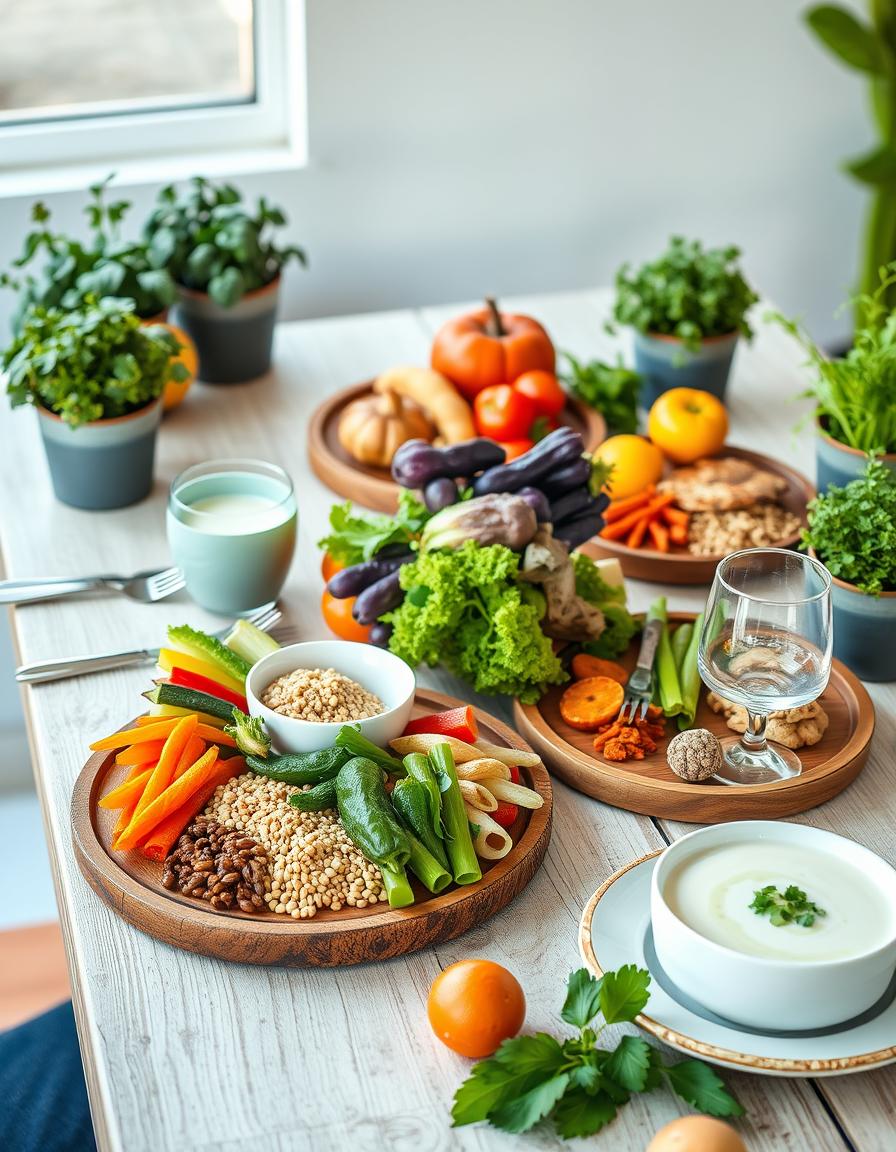
Gut health has become a hot topic in recent years, and for good reason. Our digestive system hosts trillions of tiny organisms that influence everything from digestion to mood. These tiny helpers make up what’s called the gut microbiome. A balanced microbiome can lead to better digestion, stronger immunity, and even clearer skin. One way to support this balance is by following a microbiome diet plan, which focuses on feeding these friendly bacteria the nutrients they love.
Understanding the Microbiome and Its Role
The microbiome is a community of microorganisms living in your intestines. Think of them as your gut’s own team of workers, breaking down food, producing vitamins, and protecting against harmful invaders. When this team is diverse and healthy, your body functions smoothly. But if this balance is disturbed, you might face digestive issues, fatigue, or even mood swings.
This is why supporting your microbiome through food choices is key. A microbiome diet plan aims to nourish these microbes, helping them thrive and, in turn, helping you feel your best.
What is a Microbiome Diet Plan?
Simply put, a microbiome diet plan focuses on foods that promote gut bacteria diversity and health. This usually means eating plenty of fiber-rich, fermented, and whole foods while limiting processed sugars and unhealthy fats. By choosing these foods, you feed the good bacteria, letting them multiply and work their magic inside your gut.
Core Components of a Microbiome Diet Plan
- Prebiotic Foods: These act like fertilizer for your gut bacteria. They feed the good bugs and help them grow. Examples include garlic, onions, leeks, asparagus, bananas, and chicory root.
- Probiotic Foods: These contain live beneficial bacteria that add to your gut’s team. Think yogurt, kefir, sauerkraut, kimchi, and other fermented foods.
- High-Fiber Foods: Fiber is crucial for good digestion and feeding gut microbes. Whole grains, fruits, vegetables, nuts, and seeds are top choices.
- Polyphenol-Rich Foods: These plant compounds, found in foods like green tea, berries, and dark chocolate, support healthy gut bacteria.
Foods to Avoid
- Highly processed foods filled with additives and preservatives
- Excessive sugar and artificial sweeteners
- Fried and fatty fast foods
- Artificial ingredients and excessive alcohol
Sample Day on a Microbiome Diet Plan
| Meal | Example Foods | Gut Benefits |
|---|---|---|
| Breakfast | Greek yogurt with blueberries and chia seeds | Probiotics from yogurt; fiber and polyphenols from berries; fiber from chia |
| Snack | Banana and a handful of almonds | Prebiotic fiber from banana; healthy fats and fiber from almonds |
| Lunch | Quinoa salad with onions, garlic, kale, and olive oil | Prebiotics from onions and garlic; fiber and polyphenols from kale; healthy fats |
| Snack | Kombucha or sauerkraut | Probiotics to support gut bacteria diversity |
| Dinner | Grilled salmon with asparagus and sweet potato | Omega-3 fatty acids; fiber and prebiotics from asparagus; fiber from sweet potato |
Tips to Boost Your Microbiome Diet Plan
Here are some simple ways to make your microbiome diet plan even more effective:
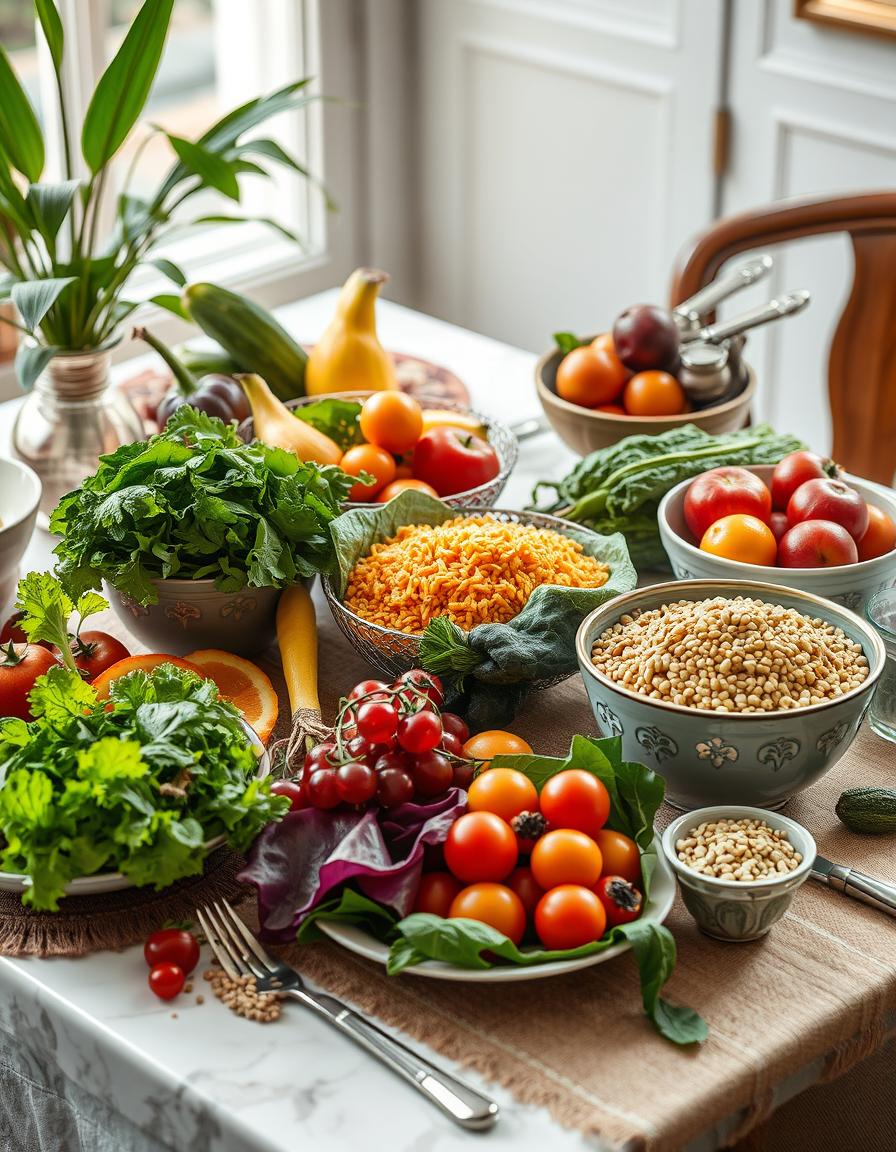
- Eat a Rainbow: Different colored fruits and veggies provide various nutrients and fiber types.
- Go Slow: Increase fiber gradually to prevent bloating or discomfort.
- Stay Hydrated: Water helps fiber do its job and keeps your digestive system moving.
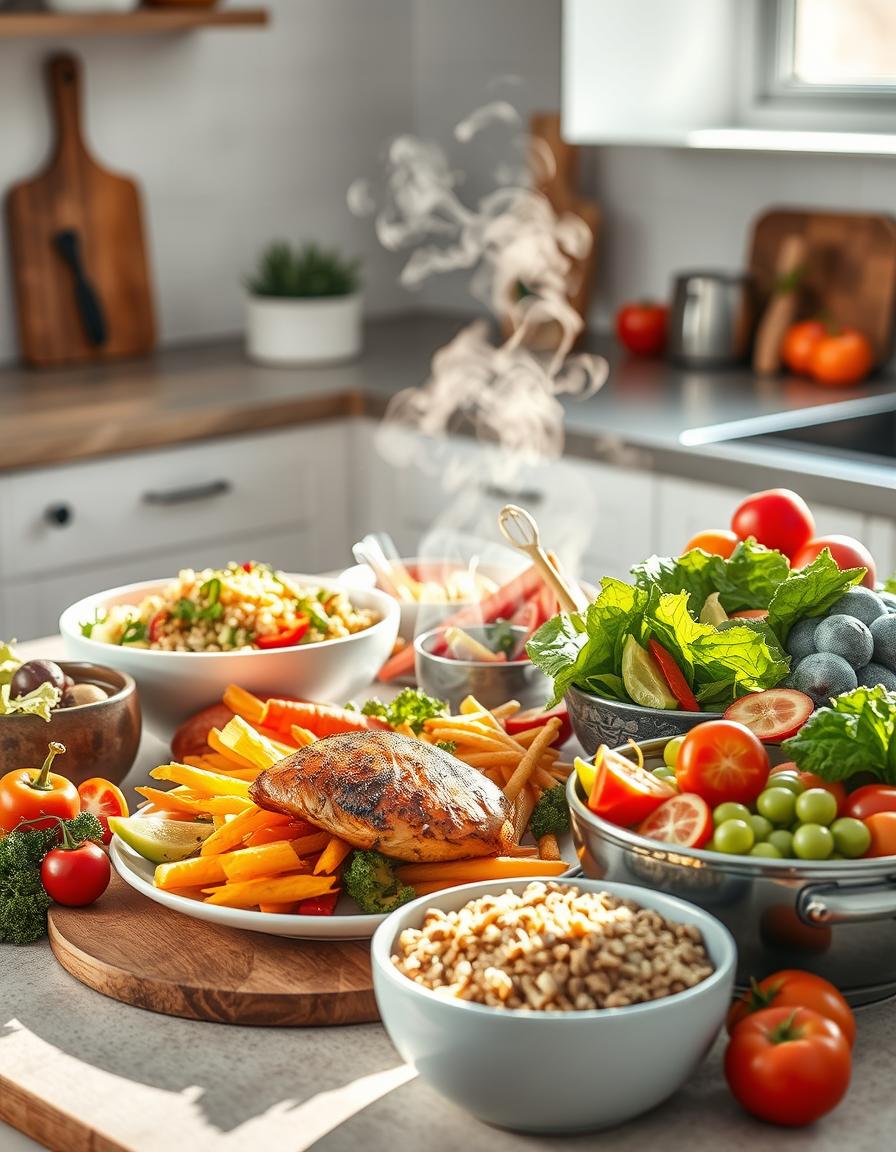
- Cook at Home: Preparing meals yourself helps you control ingredients and avoid hidden additives.
- Include Fermented Snacks: Foods like kimchi or a good quality beef jerky can be gut-friendly if chosen wisely. For more details, check out this beef jerky guide.
Common Questions about the Microbiome Diet Plan
How long does it take to see results?
Everyone’s body is different, but many people notice better digestion or more energy in a few weeks. Consistency is key, so keep at it!
Can I take probiotics instead of eating fermented foods?
Probiotic supplements can help, but fermented foods provide a variety of bacteria strains and additional nutrients that supplements might not offer.
Is this diet safe for children?
Yes, the focus on whole, natural foods and fiber is generally safe. However, check with a pediatrician before making major changes.
Conclusion
Taking care of your gut can greatly improve your overall health. By following a microbiome diet plan, you nurture the billions of tiny helpers living inside you, supporting digestion, immunity, and more. Adding prebiotic and probiotic foods while limiting processed junk gives these good bacteria the fuel to flourish. Remember, small changes in what you eat can bring big gains in how you feel. So, why not treat your gut to some love and watch the benefits unfold?

Timo is the founder of LiteDietPlan.com, where smart nutrition meets simple living.