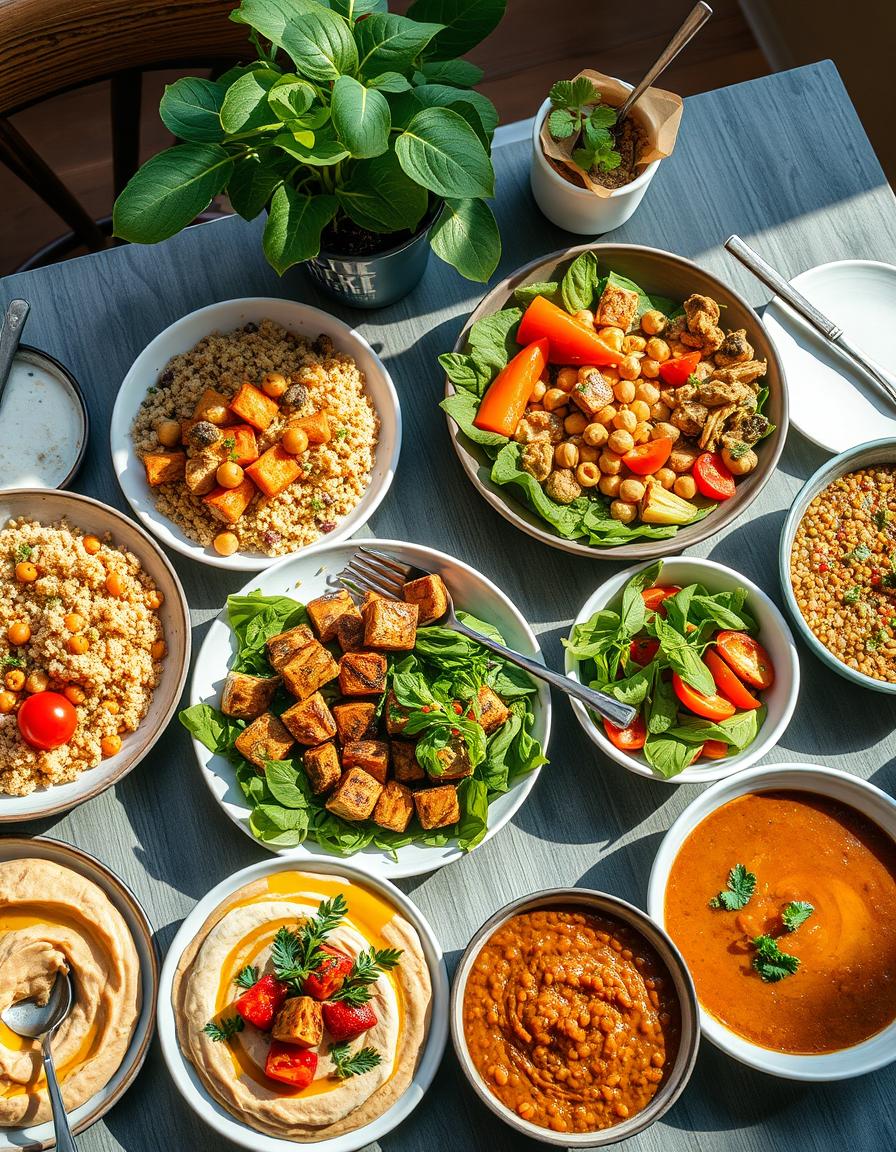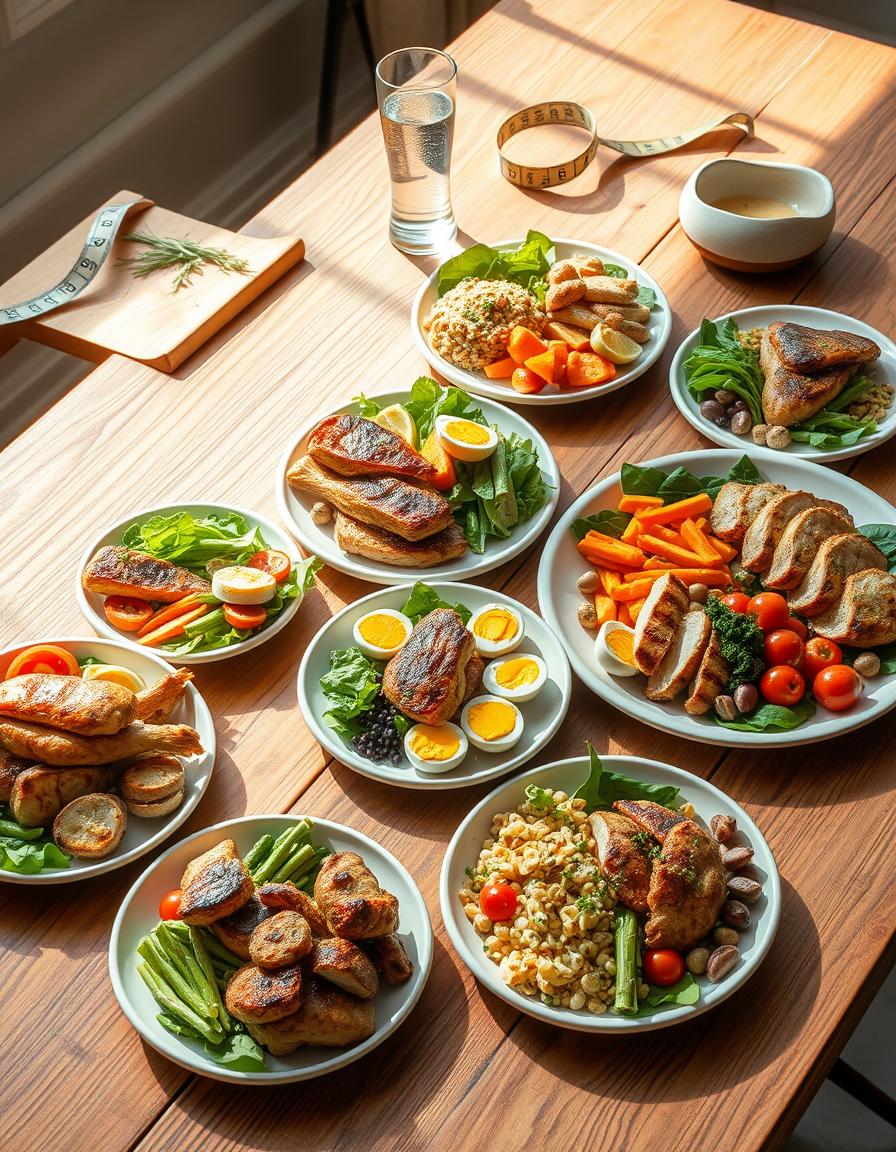
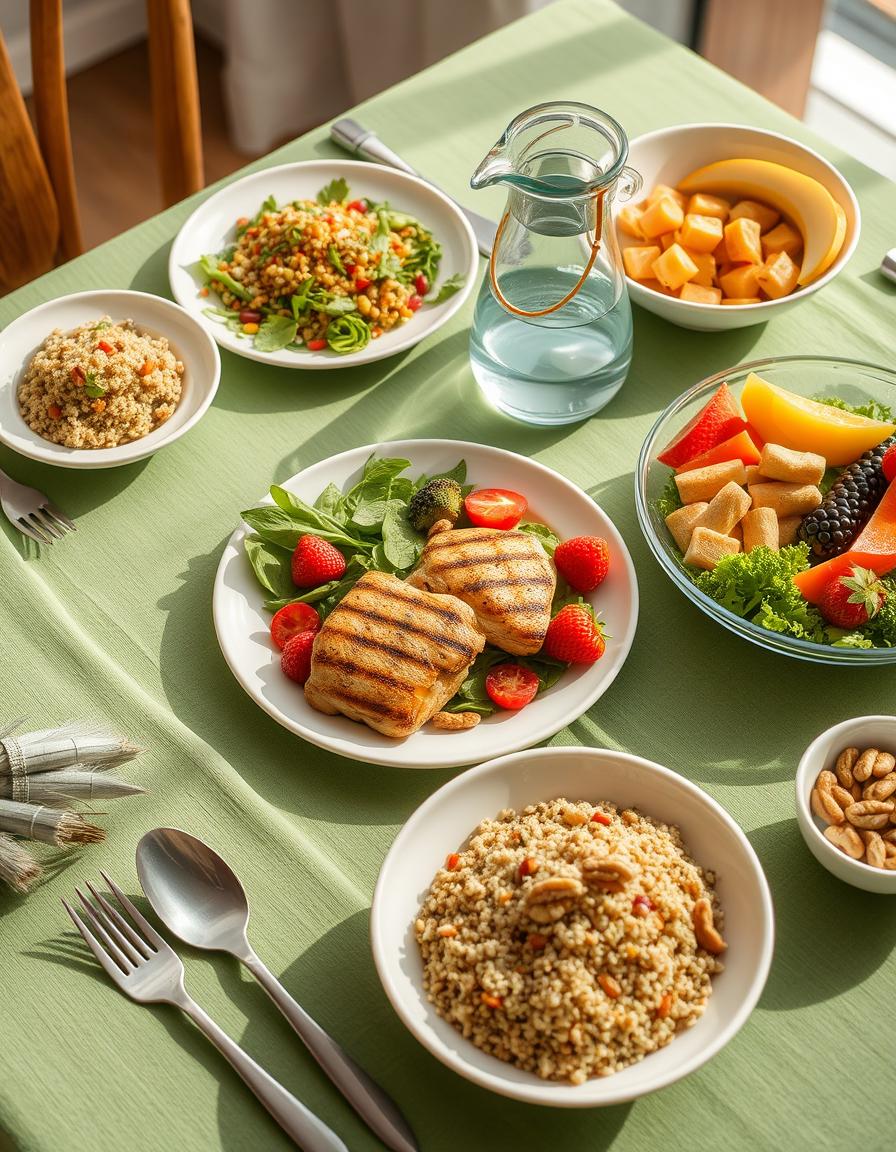
Sticking to a 1500 calorie diet plan can feel like trying to finish a puzzle with a few pieces missing. You want to eat enough food to feel satisfied, yet you must keep those calories in check. The good news? It’s completely doable with some smart planning and the right mindset. Whether you want to lose weight, maintain health, or simply feel more energetic, a 1500 calorie diet plan offers a clear structure without starving your body.
Understanding the 1500 Calorie Diet Plan
A 1500 calorie diet plan means your total food intake for the day adds up to about 1500 calories. For many people, this is a moderate calorie goal that supports weight loss or maintenance. It forces you to be mindful of what and how much you eat, but it also leaves room for flexibility. The trick is to choose foods that fill you up and keep you happy without going overboard.
Think of your daily calorie budget like money in a wallet. You can’t spend it all on one candy bar or a giant burger, or you’ll have nothing left for the rest of the day. But if you spread it out wisely, you can enjoy tasty meals without feeling deprived.
Tips to Stick with Your 1500 Calorie Diet Plan
1. Plan Your Meals Ahead
Imagine walking into a grocery store with a list versus wandering aimlessly. The same goes for eating on a 1500 calorie diet plan. Planning your meals ahead saves time and helps you avoid grabbing whatever is convenient but high in calories.
- Prepare a weekly menu including breakfast, lunch, dinner, and snacks.
- Write down calorie counts or use apps to track them.
- Cook meals in bulk to avoid last-minute temptations.
2. Prioritize Nutrient-Dense Foods
Not all calories are created equal. A 1500 calorie diet plan works best if most of those calories come from nutrient-rich foods—think vegetables, lean proteins, whole grains, and healthy fats. These choices keep you full longer and provide your body with essential vitamins and minerals.
| Food Group | Examples | Benefits |
|---|---|---|
| Vegetables | Spinach, carrots, broccoli | Low calorie, high fiber, vitamins |
| Proteins | Chicken breast, tofu, eggs | Muscle repair, satiety |
| Whole Grains | Brown rice, quinoa, oats | Energy, fiber |
| Healthy Fats | Avocado, nuts, olive oil | Brain health, satiety |
3. Watch Your Portions
Portion control is key when following a 1500 calorie diet plan. Even healthy foods can add up if you eat too much. Try to use smaller plates or bowls and measure portions if you need to. Remember, eyeballing is fine once you get used to it, but at first, a kitchen scale or measuring cups are your best friends.
4. Incorporate Smart Snacking
Snacking doesn’t have to be the enemy. The right snacks can keep your energy steady and prevent overeating later. Opt for snacks that fit your calorie budget and provide good nutrition.
Looking for ideas? Check out these costco snacks for kids which can also be great for adults craving something quick and wholesome.
- A handful of almonds (about 160 calories)
- Greek yogurt with berries (around 120 calories)
- Carrot sticks with hummus (approximately 100 calories)
Sample 1500 Calorie Meal Plan
To give you a better picture, here’s a simple 1500 calorie meal plan that you can follow or tweak to your taste. It balances protein, carbs, and fats to keep you energized all day.
| Meal | Food Items | Approximate Calories |
|---|---|---|
| Breakfast | Oatmeal with banana and a teaspoon of peanut butter | 350 |
| Snack | Greek yogurt with blueberries | 120 |
| Lunch | Grilled chicken salad with mixed greens and vinaigrette | 400 |
| Snack | Apple slices with almond butter | 150 |
| Dinner | Baked salmon, quinoa, steamed broccoli | 480 |
Keeping Motivation High
Celebrate Small Wins
Every time you stick to your 1500 calorie diet plan, you’re building good habits. Celebrate those victories—whether it’s choosing fruit over chips or cooking a healthy dinner. Small wins add up and keep your confidence high.
Stay Flexible and Forgive Slip-ups
It’s normal to slip up now and then. If you go over your calorie limit one day, don’t beat yourself up. Adjust your intake the next day and keep moving forward. Flexibility helps you avoid feeling trapped or discouraged.
Track Your Progress
Use a journal or an app to note down what you eat and how you feel. Seeing your progress can give you a boost on tougher days. Plus, it helps you spot patterns that either help or hinder your goals.
Common Challenges and How to Overcome Them
Hunger and Cravings
Because the calorie limit feels lower than usual, hunger can sneak up and tempt you. Combat this by focusing on high-fiber foods and proteins that keep you full longer. Drinking plenty of water also helps. When cravings hit, try distracting yourself with a quick walk or a hobby.
Eating Out
Restaurant meals often come with surprise calories. To stay on your 1500 calorie diet plan, check menus ahead, choose grilled or baked options, and ask for dressings or sauces on the side. Sharing a dish or saving half for later can also keep calories in check.
Time Constraints
Busy days can lead to grabbing whatever’s easy, which might not fit your plan. Batch cooking and prepping snacks in advance can save you when time is tight. Keep a stash of healthy options ready to go.
Conclusion
Following a 1500 calorie diet plan is about balance, not sacrifice. With a bit of planning, portion control, and smart food choices, you can stick to this calorie goal without feeling hungry or bored. Remember, it’s a journey that involves adjustments and learning what works best for you. Keep your goals clear, celebrate your progress, and enjoy the process of nourishing your body well.

Timo is the founder of LiteDietPlan.com, where smart nutrition meets simple living.