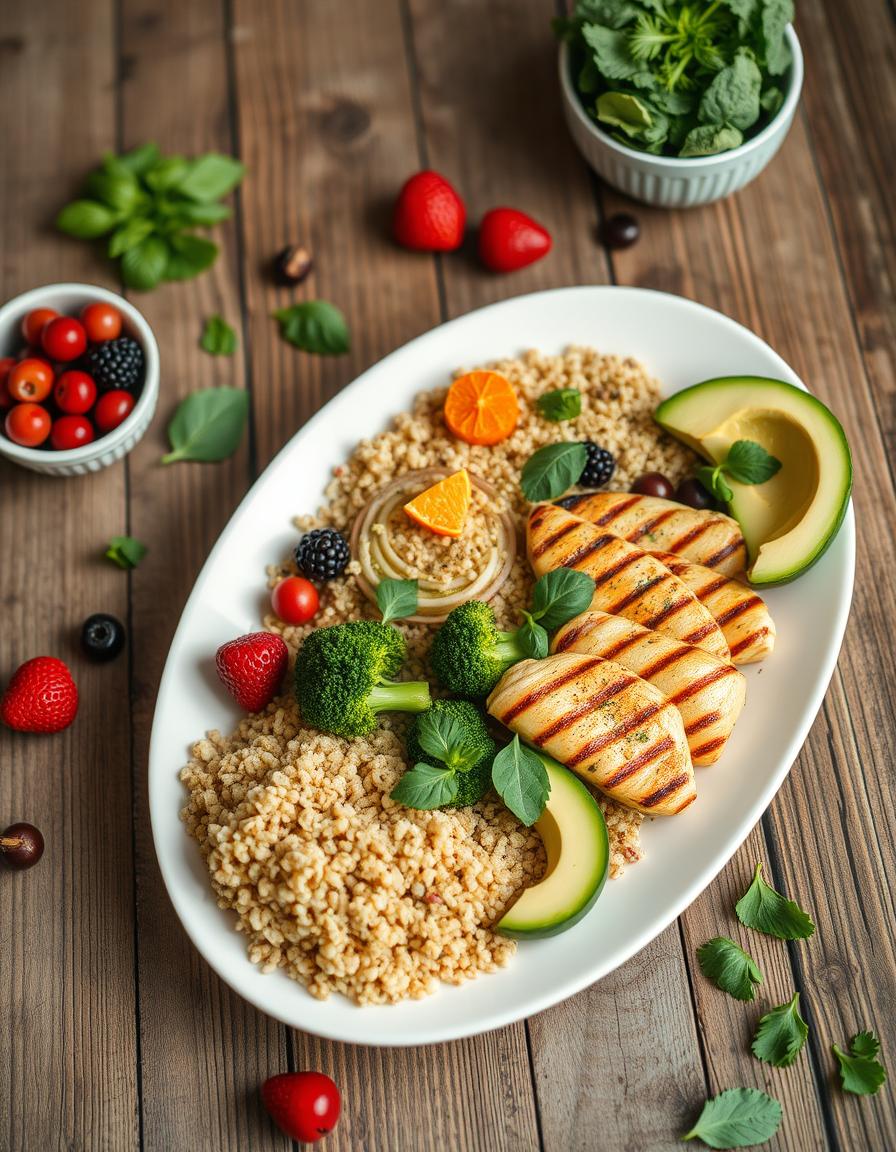

Starting a 30-day elimination diet plan can feel like stepping into uncharted territory. You might wonder what foods to eat, what to avoid, and how to keep your meals interesting without feeling deprived. This kind of diet is a powerful way to uncover hidden food sensitivities and improve overall health by removing potential irritants and gradually reintroducing them. The best part? It’s a chance to reset your eating habits and discover which foods truly fuel your body.
What Is a 30-Day Elimination Diet Plan?
A 30-day elimination diet plan is a structured approach for identifying foods that may cause digestive issues, allergies, or inflammation. The process involves removing common trigger foods for about a month, then slowly adding them back one at a time to observe how your body reacts.
During this period, you focus on simple, whole foods that are less likely to cause reactions. It’s like hitting the “reset” button on your gut health. After the elimination phase, you carefully reintroduce select foods to spot any negative effects, such as bloating, headaches, or fatigue.
Why Try a 30-Day Elimination Diet?
- Identify food sensitivities that may be causing unpleasant symptoms
- Improve digestion and reduce inflammation
- Boost energy levels and mental clarity
- Encourage mindful eating habits
- Help with skin problems like eczema or acne
Many people don’t realize that their diet may be a hidden culprit behind uncomfortable symptoms. Cutting out certain foods isn’t about following a fad—it’s a way to listen to your body and find what truly works for you.
Step 1: Preparing for Your 30-Day Elimination Diet Plan
Preparation is key to success. Start by making a list of common trigger foods to avoid. These usually include:
- Gluten (wheat, barley, rye)
- Dairy products
- Sugar and artificial sweeteners
- Eggs
- Nuts and soy
- Caffeine and alcohol
- Processed foods and additives
Clearing out your pantry and fridge of these items can set you up for a smooth start. Having plenty of elimination-friendly foods on hand makes it easier to stick to the plan. Stock up on fresh vegetables, fruits, lean meats, and healthy fats like olive oil and avocado.
Step 2: The 30-Day Elimination Phase
For the next 30 days, focus on eating foods that are less likely to trigger symptoms. The goal is to give your digestive system a break and observe how you feel without the usual suspects.
Foods to Enjoy
- Fresh vegetables (leafy greens, carrots, zucchini)
- Fresh fruits (berries, apples, pears)
- Lean proteins (chicken, turkey, fish)
- Gluten-free grains (quinoa, brown rice, millet)
- Healthy fats (avocado, olive oil, coconut oil)
- Herbs and spices (turmeric, ginger, basil)
Tips for Success
- Prepare meals in advance to avoid temptation
- Keep a food diary to track what you eat and how you feel
- Stay hydrated with plenty of water and herbal teas
- Be patient—some symptoms take a while to improve
By sticking with this plan, many people discover clearer skin, better sleep, and fewer digestive complaints. If you’re a meat-lover, you might appreciate details like beef chuck nutrition, which shows that even cuts of meat can be a healthy part of your elimination diet.
Step 3: Reintroduction Phase
Once the elimination phase is complete, it’s time to carefully add foods back into your diet, one at a time. This step is crucial because it helps you discover your personal triggers.
How to Reintroduce Foods
- Pick one food to reintroduce, such as dairy or gluten-containing bread.
- Eat the food in a normal portion for 2-3 days.
- Watch your body for any reactions like stomach pain, headaches, fatigue, or skin issues.
- Take notes in your food diary to compare with your baseline symptoms.
- If no symptoms appear, you can consider that food safe for you.
- If symptoms occur, remove the food again and wait for them to clear before trying the next.
Reintroduction Schedule (Example)
| Week | Food to Reintroduce | Notes |
|---|---|---|
| Week 1 | Dairy (milk, cheese) | Watch for bloating or skin flare-ups |
| Week 2 | Gluten (bread, pasta) | Monitor digestion and energy levels |
| Week 3 | Eggs | Record any headache or fatigue |
| Week 4 | Nuts and soy | Check for skin or digestive symptoms |
Step 4: Reflect and Adjust Your Diet
At the end of your 30-day elimination diet plan, take a moment to reflect on what you learned about your body. You might find some foods can be enjoyed without problems, while others are best avoided or limited.
Your unique list of safe foods can become the foundation of a healthier, happier way of eating. Remember, this isn’t about strict rules forever—it’s about giving your body the best chance to thrive.
Sample 3-Day Menu During Elimination Phase
| Meal | Day 1 | Day 2 | Day 3 |
|---|---|---|---|
| Breakfast | Oatmeal with berries and chia seeds | Smoothie with spinach, banana, and almond butter* | Quinoa porridge with cinnamon and apple slices |
| Lunch | Grilled chicken salad with mixed greens and olive oil | Brown rice bowl with roasted vegetables and turkey | Sweet potato and carrot soup with herbs |
| Dinner | Baked salmon with steamed broccoli and quinoa | Vegetable stir-fry with shrimp and coconut aminos | Roasted beef chuck with sautéed kale and mashed cauliflower |
* Substitute almond butter with sunflower seed butter if nuts are being eliminated.
Common Challenges and How to Overcome Them
Dropping familiar favorites can feel like giving up your culinary best friends. Cravings for sugar or bread can sneak in during the first week. Don’t beat yourself up! Try swapping with naturally sweet fruits or gluten-free alternatives. Cooking new recipes can turn the “restriction” into an adventure.
Another hurdle is social situations. Eating out or attending parties may feel tricky. Planning ahead, bringing a safe dish, or politely explaining your diet can ease awkward moments.
Conclusion
The 30-day elimination diet plan offers a clear path to understanding how food affects your body. It’s a refreshing break from guessing games and conflicting advice. With patience and a little planning, you can gain valuable insights, boost your health, and enjoy meals that truly nourish you.
Remember, everyone’s body is different, and finding what works for you is the real goal. Keep your food diary close, listen to your body’s signals, and embrace this unique opportunity for better wellness.

Timo is the founder of LiteDietPlan.com, where smart nutrition meets simple living.