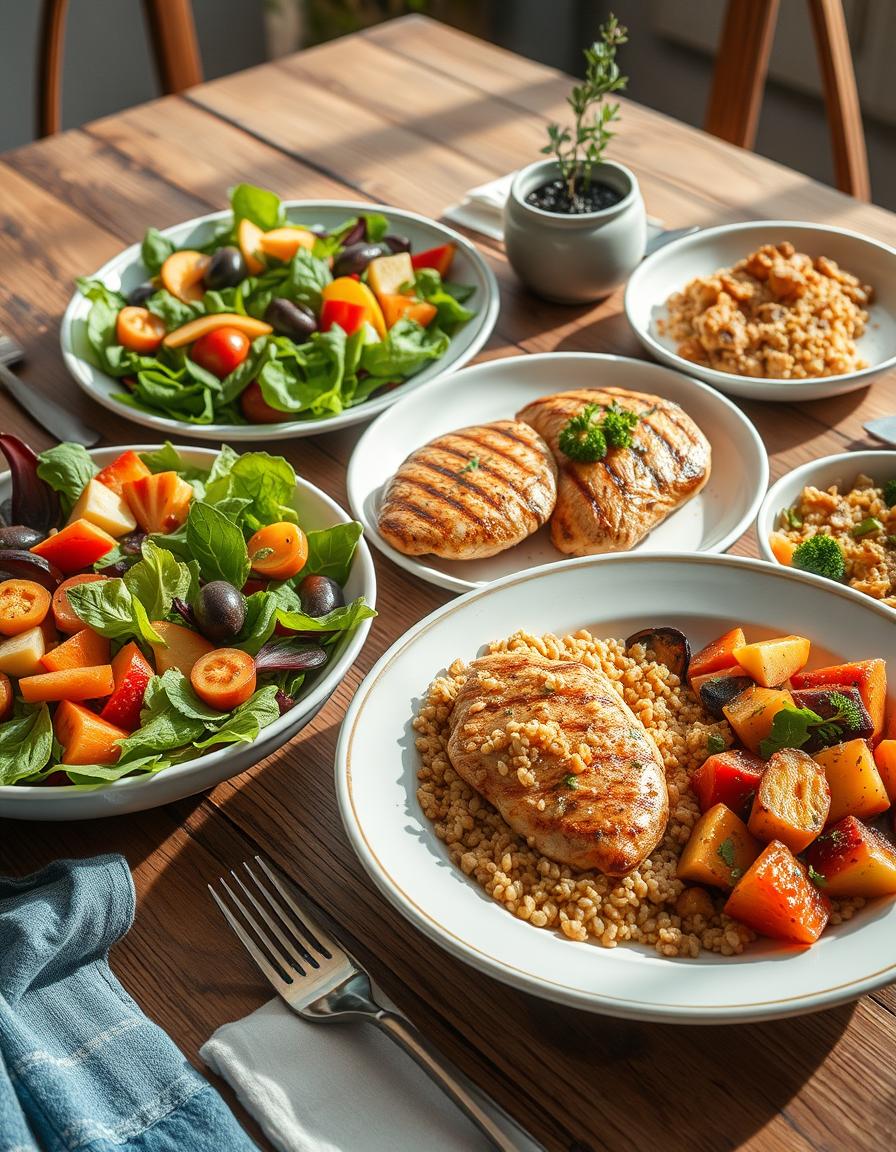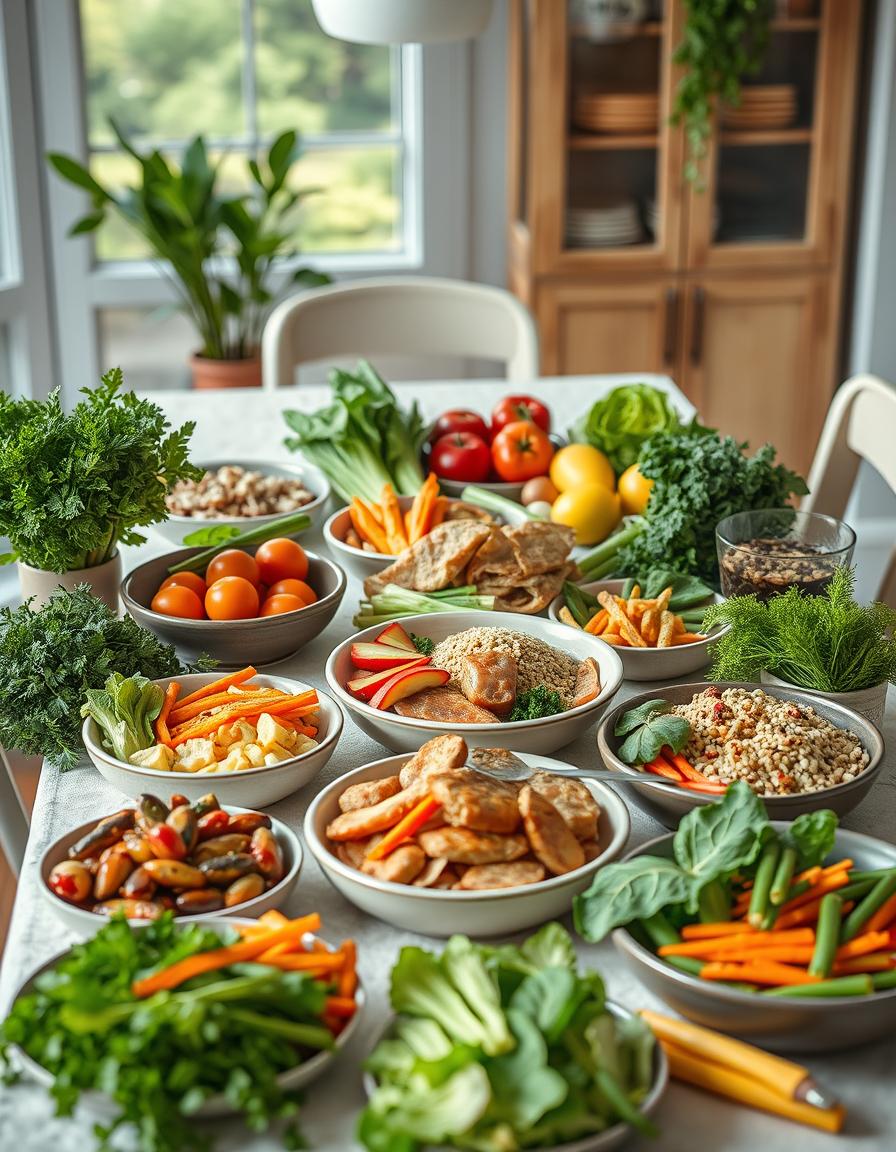
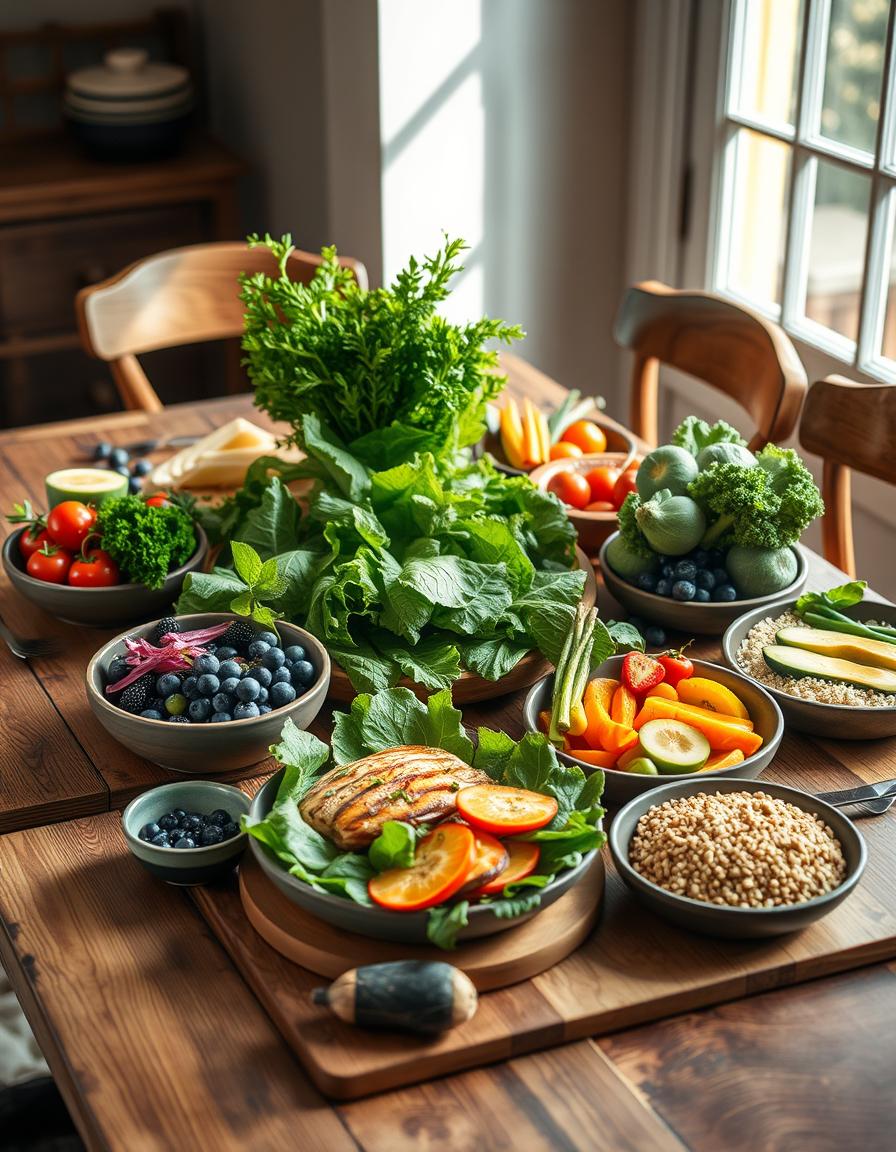
Living with Hashimoto’s disease can feel like juggling a dozen balls every day, especially when it comes to managing diet and thyroid health. This autoimmune condition affects the thyroid gland, often leading to hypothyroidism, which slows down many body functions. While medication is a key part of treatment, food choices hold a powerful role in supporting overall wellbeing and balancing thyroid function. A smart Hashimoto’s diet plan for thyroid health can make an incredible difference, helping reduce inflammation, boost energy, and even ease symptoms.
Understanding the Role of Diet in Hashimoto’s Disease
Hashimoto’s causes the immune system to attack the thyroid, causing inflammation and damage. That’s why what you eat matters so much. Some foods can trigger inflammation or interfere with thyroid hormone production, while others help calm the immune response and nourish your thyroid. A thoughtful approach to everyday meals can help you feel better and maintain healthier thyroid levels.
Think of your thyroid as a little engine in your body—it needs the right fuel to run smoothly. Giving it balanced, nutrient-rich foods through a proper Hashimoto’s diet plan for thyroid health is like filling that engine with premium gas.
Key Nutrients to Support Thyroid Health
Certain vitamins and minerals are especially important for thyroid function and immune balance. Here are some of the top players:
- Selenium: Helps reduce thyroid antibodies and supports hormone production.
- Zinc: Essential for healthy thyroid hormone metabolism.
- Vitamin D: Supports immune regulation and can reduce inflammation.
- Iron: Necessary for thyroid hormone synthesis.
- Iodine: Important but tricky—too much can worsen Hashimoto’s, so balance is key.
Including foods rich in these nutrients helps ensure your thyroid gets the right support every day.
Foods to Embrace and Foods to Avoid
Let’s talk straight: some foods are your thyroid’s best friends, while others might stir up trouble. A good Hashimoto’s diet plan for thyroid health focuses on what to welcome to your plate and what to skip or limit.
Foods to Include
- Fresh vegetables: Especially leafy greens, broccoli, and carrots, which are rich in antioxidants.
- Lean proteins: Such as chicken, turkey, fish, and plant-based proteins like legumes (if tolerated).
- Gluten-free whole grains: Quinoa, brown rice, and oats can offer steady energy without triggering inflammation.
- Nuts and seeds: Great sources of selenium (think Brazil nuts) and healthy fats.
- Probiotic-rich foods: Yogurt, kefir, and fermented veggies support gut health, which is linked to immune balance.
- Healthy fats: Olive oil, avocado, and fatty fish like salmon help fight inflammation.
Foods to Limit or Avoid
- Processed foods: Usually high in unhealthy fats and additives that can worsen inflammation.
- Sugar and refined carbs: They can spike blood sugar and trigger immune reactions.
- Excess soy products: Soy contains compounds that may interfere with thyroid hormone production, but if you enjoy soy, choose the healthiest soy sauce options in small amounts.
- Cruciferous vegetables in raw form: Broccoli, cabbage, and kale can be goitrogenic if eaten in large raw quantities. Cooking usually reduces this effect.
- Excessive caffeine and alcohol: These can disrupt hormone balance and cause inflammation.
Building a Daily Hashimoto’s Diet Plan for Thyroid Health
A balanced diet that supports your thyroid doesn’t have to be complicated or boring. Here’s a simple outline you can adapt to your taste buds and lifestyle, keeping your thyroid happy throughout the day.
| Meal | Foods to Include | Notes |
|---|---|---|
| Breakfast | Oatmeal with fresh berries, chia seeds, and a handful of Brazil nuts | Provides fiber, antioxidants, and selenium |
| Snack | Greek yogurt with a drizzle of honey and walnuts | Probiotics and healthy fats support gut and thyroid |
| Lunch | Grilled chicken salad with mixed greens, avocado, olive oil, and lemon dressing | Lean protein and anti-inflammatory fats keep energy steady |
| Snack | Carrot sticks with hummus | Crunchy and satisfying with protein and fiber |
| Dinner | Baked salmon, quinoa, and steamed spinach | Rich in omega-3s, iron, and complex carbs |
Feel free to swap ingredients based on preferences and avoid any personal triggers. The key is to keep meals balanced and varied.
Tips for Sustaining a Thyroid-Friendly Lifestyle
Keeping your thyroid happy is not just about what’s on your plate; lifestyle habits matter, too. Here are some easy tips to ensure your diet plan sticks and works for you:
- Regular meal timing: Try to eat at consistent times to support metabolism.
- Stay hydrated: Water helps every system in your body, including your thyroid.
- Watch for food sensitivities: Some with Hashimoto’s find they do better avoiding gluten or dairy—listen to your body.
- Cook more at home: This helps control ingredients and portion sizes.
- Manage stress: High stress can worsen inflammation, so find time for relaxation.
Common Questions About the Hashimoto’s Diet Plan for Thyroid Health
Can I eat gluten if I have Hashimoto’s?
Many people with Hashimoto’s notice improvements when they reduce or eliminate gluten, as it may trigger immune responses. However, it’s not a strict rule for everyone. Trying a gluten-free period to see how you feel can be helpful.
Is dairy okay?
Dairy tolerance varies. Some find it causes bloating or worsens symptoms. Opt for fermented dairy like yogurt if you can, as probiotics can aid digestion and immunity.
Are supplements necessary?
Supplements can fill gaps, especially for selenium, vitamin D, and zinc, but it’s best to discuss with your doctor before starting anything new.
Conclusion
Managing Hashimoto’s disease with the right foods is a practical and uplifting way to support your thyroid and feel better overall. A thoughtful Hashimoto’s diet plan for thyroid health focuses on nutrient-rich, anti-inflammatory foods while avoiding those that can trigger symptoms. With a bit of planning, you can enjoy delicious meals that fuel your body and calm immune reactions. Remember, your journey with Hashimoto’s is unique—listening to your body and making choices that suit you is the key to thriving each day.

Timo is the founder of LiteDietPlan.com, where smart nutrition meets simple living.