Cutting down on sugar can feel like saying goodbye to a best friend—you know, the one who always sneaks into your snacks and coffee. But what if you took on a sugar-free diet plan 30 days challenge? Imagine hitting the reset button on your health, with more energy, clearer skin, and a happier gut. This isn’t about being perfect or giving up all the fun; it’s about giving your body a break from the sweetness overload and seeing what it can do without that extra sugar buzz.
Why Consider a Sugar-Free Diet Plan 30 Days?
Our diets today are packed with sugar, often hiding where you least expect it—like in bread, sauces, and even drinks. Too much sugar can lead to energy crashes, weight gain, and mood swings. A sugar-free diet plan 30 days can help you reset your taste buds and reduce cravings. Plus, it’s a great way to kickstart better eating habits and help your body heal from the inside out.
Think of it as hitting a refresh button. Just like your phone runs smoother after a restart, your body can work more efficiently without the constant sugar spikes and drops. Over 30 days, you might notice clearer skin, better sleep, and improved focus.
Common Benefits of Going Sugar-Free
- More steady energy throughout the day
- Reduced junk food cravings
- Better digestion and gut health
- Weight loss or easier weight management
- Improved mood and lower anxiety
- Clearer skin and fewer breakouts
Getting Started with Your Sugar-Free Diet Plan 30 Days
Starting any new eating plan can feel overwhelming, but a sugar-free diet plan 30 days is easier than you might think. The key is to focus on real, whole foods and avoid anything with added sugars.
What to Avoid
- Sugary beverages like soda, fruit juices, and energy drinks
- Candy, chocolates (unless 85% cacao or more), and baked sweets
- Processed snacks such as cookies, crackers, and granola bars
- Condiments with added sugar like ketchup, BBQ sauce, and some salad dressings
- Refined grains that quickly turn to sugar in your body, like white bread and white rice
What to Eat Instead
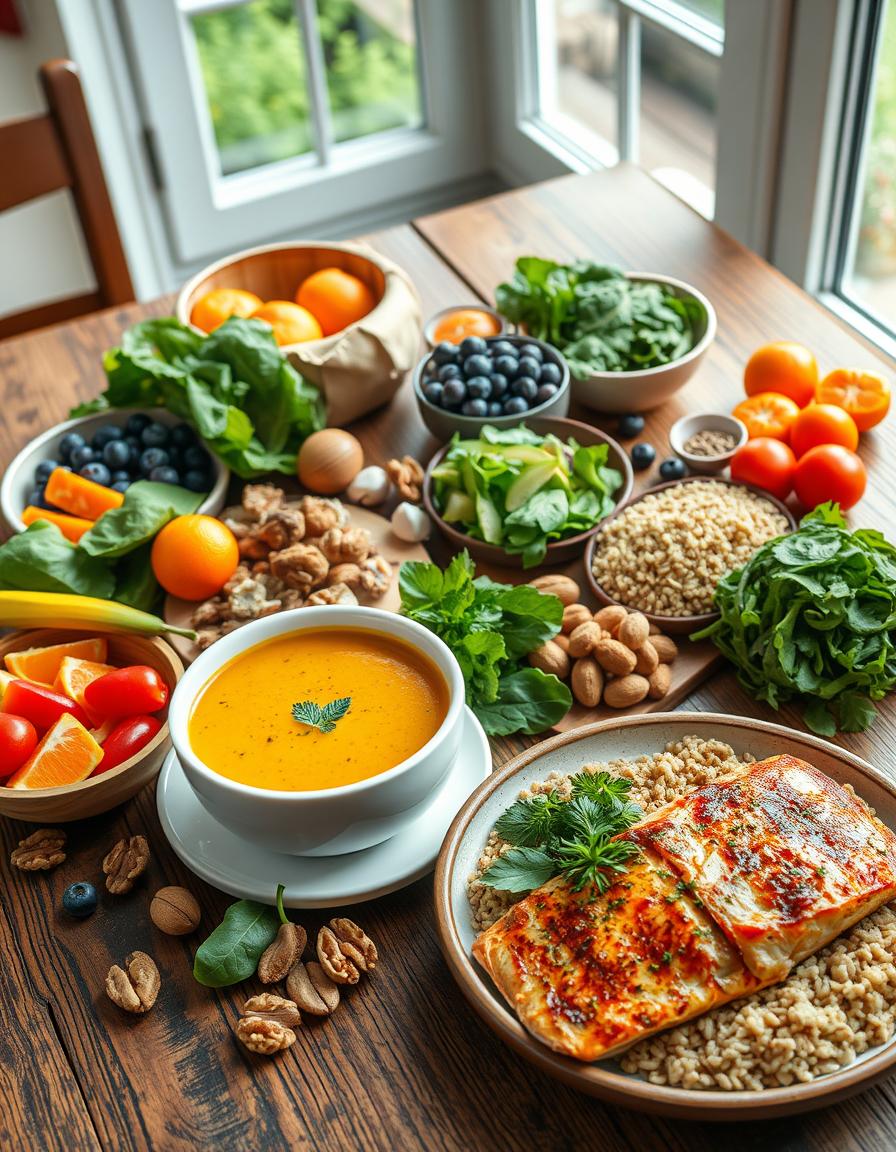
- Fresh fruits (in moderation, since they contain natural sugars)
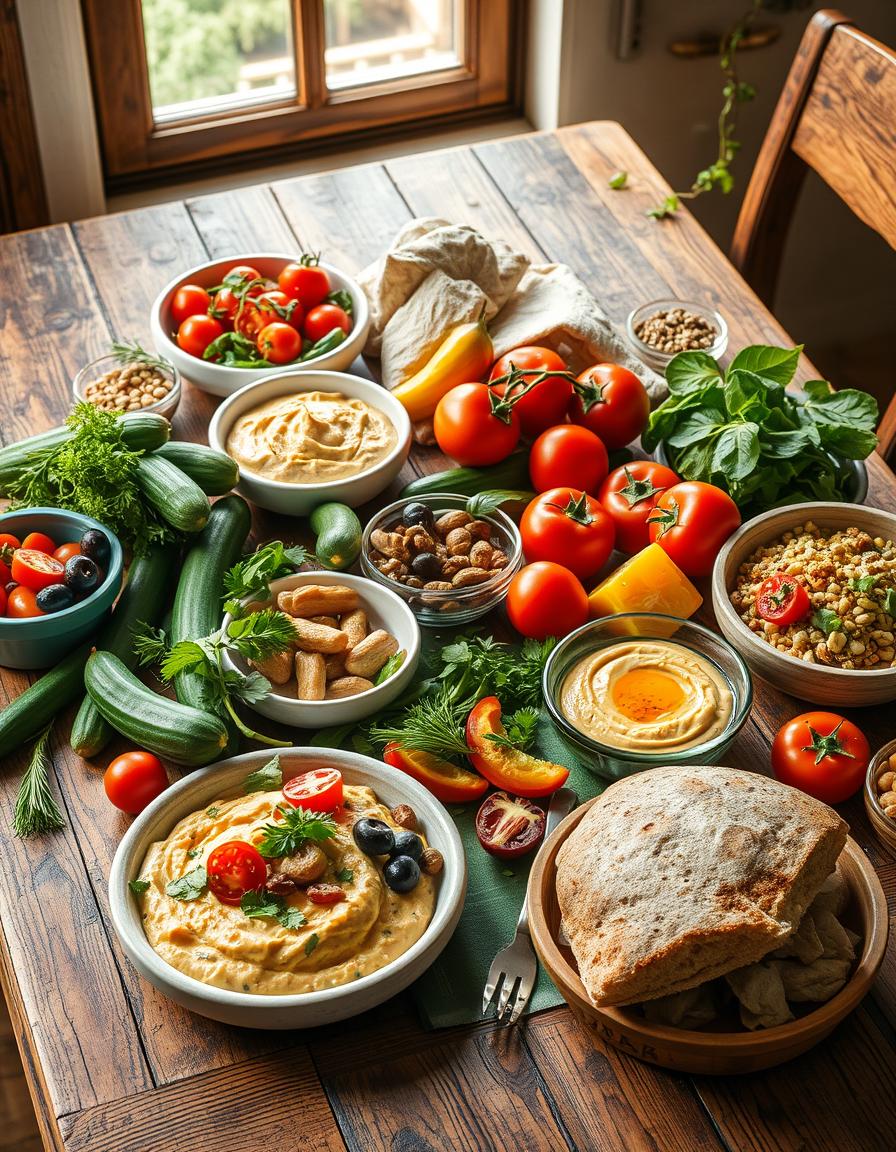
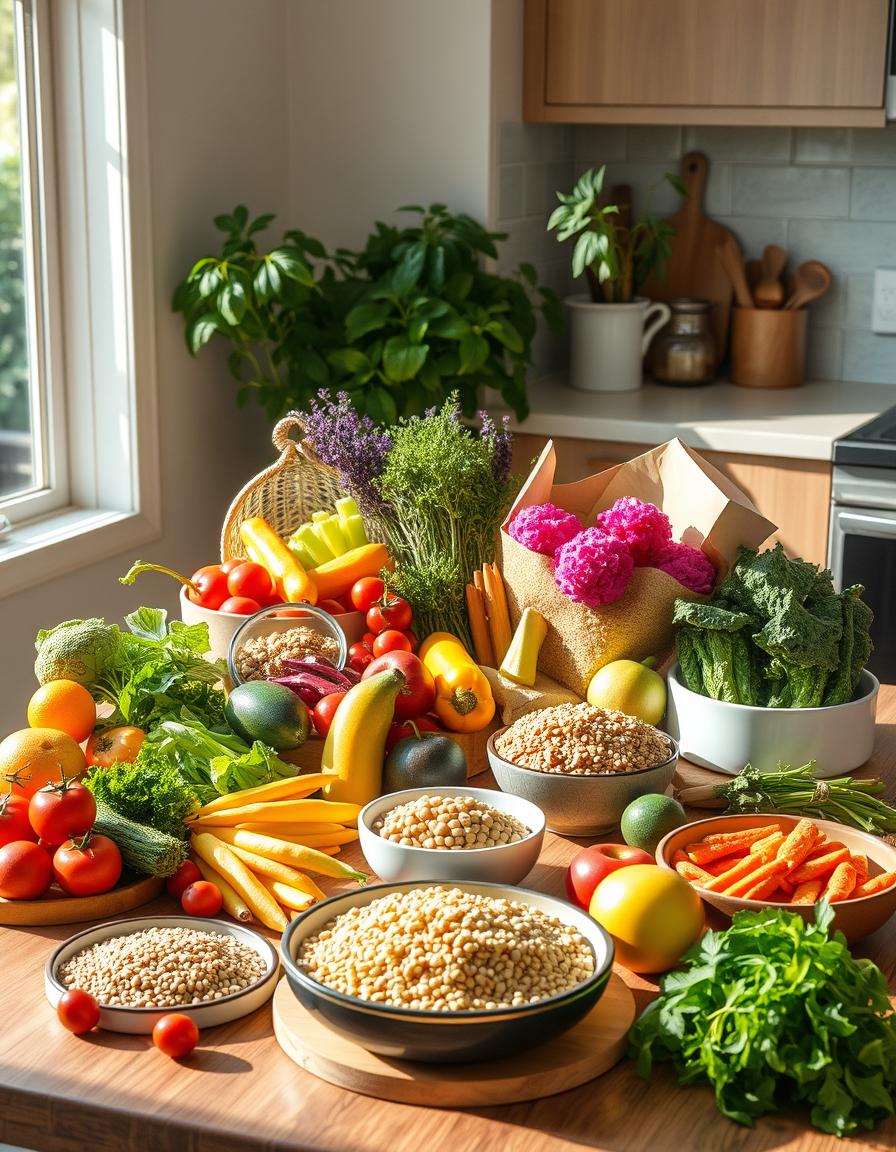
- Vegetables of all kinds—leafy greens, carrots, cucumbers, peppers
- Whole grains like brown rice, quinoa, and oats
- Protein sources such as eggs, chicken, fish, beans, and nuts
- Healthy fats from avocados, olive oil, and seeds
Sample Sugar-Free Diet Plan 30 Days – Weekly Outline
| Day | Breakfast | Lunch | Dinner | Snack |
|---|---|---|---|---|
| 1-7 | Oatmeal with nuts and fresh berries | Grilled chicken salad with olive oil dressing | Baked salmon with roasted veggies | Carrot sticks with hummus |
| 8-14 | Scrambled eggs with spinach and tomatoes | Lentil soup with whole-grain bread | Stir-fried tofu with broccoli and brown rice | Apple slices with almond butter |
| 15-21 | Greek yogurt with walnuts and cinnamon | Quinoa salad with chickpeas and veggies | Grilled turkey with steamed asparagus | Mixed nuts |
| 22-30 | Chia pudding with coconut milk and fresh fruit | Vegetable stir fry with brown rice noodles | Roasted chicken with sweet potatoes | Celery sticks with guacamole |
Tips to Stay on Track
Going sugar-free can feel like climbing a mountain at times, but a few tricks make the journey easier:
- Plan ahead: Prep meals or snacks so you’re not tempted by sugary grabs.
- Read labels: Sugar hides under many names like maltose, dextrose, and corn syrup.
- Stay hydrated: Sometimes your body confuses thirst with hunger or cravings.
- Find fun replacements: Swap soda for sparkling water with a splash of lemon or herbal teas.
- Be patient with yourself: Cravings come and go; treat yourself kindly.
What to Expect During the 30 Days
The first week may be the toughest. You might feel grumpy, tired, or a little foggy—your body is adjusting to fewer sugar highs and lows. But hang in there! Around day 10 or 12, many people report a surge in energy and better concentration.
By the end of your sugar-free diet plan 30 days, your taste buds will likely change too. Foods you thought were “just okay” might start tasting sweeter naturally. That salad? Suddenly, it’s delicious without all the sugary dressings.
Remember, this isn’t about being extreme; it’s about learning what your body really needs. Some people find this 30-day stretch motivates them to keep cutting back on sugar for longer or permanently.
Common Questions About a Sugar-Free Diet Plan 30 Days
Can I eat fruit during this plan?
Yes, fruit contains natural sugar, but it also offers fiber and vitamins. Keep portions moderate to avoid sugar overload.
Is it okay to have artificial sweeteners?
It’s better to avoid them because they can trigger sugar cravings and affect your gut health. Try natural sweetness from cinnamon or vanilla instead.
Will I lose weight?
Many people do drop some pounds because sugar calories add up fast. But the biggest win is better energy and less craving, which supports healthier habits long-term.
If you want inspiration from a high-profile figure who follows a health-focused routine, check out the melania trump diet—it highlights how balanced eating and exercise work wonders together.
Conclusion
Taking on a sugar-free diet plan 30 days is like giving your body a fresh start. It might feel challenging at first, but the benefits—clearer mind, better mood, steady energy—make it worthwhile. Your body learns to enjoy foods in a new way, free from the sugar rollercoaster.
After 30 days, you’ll likely have a better understanding of your cravings and be empowered to make healthier choices. And who knows? You might realize you don’t miss sugar as much as you thought. So, why not give your health a reset and see how sweet life can be without added sugar?

Timo is the founder of LiteDietPlan.com, where smart nutrition meets simple living.