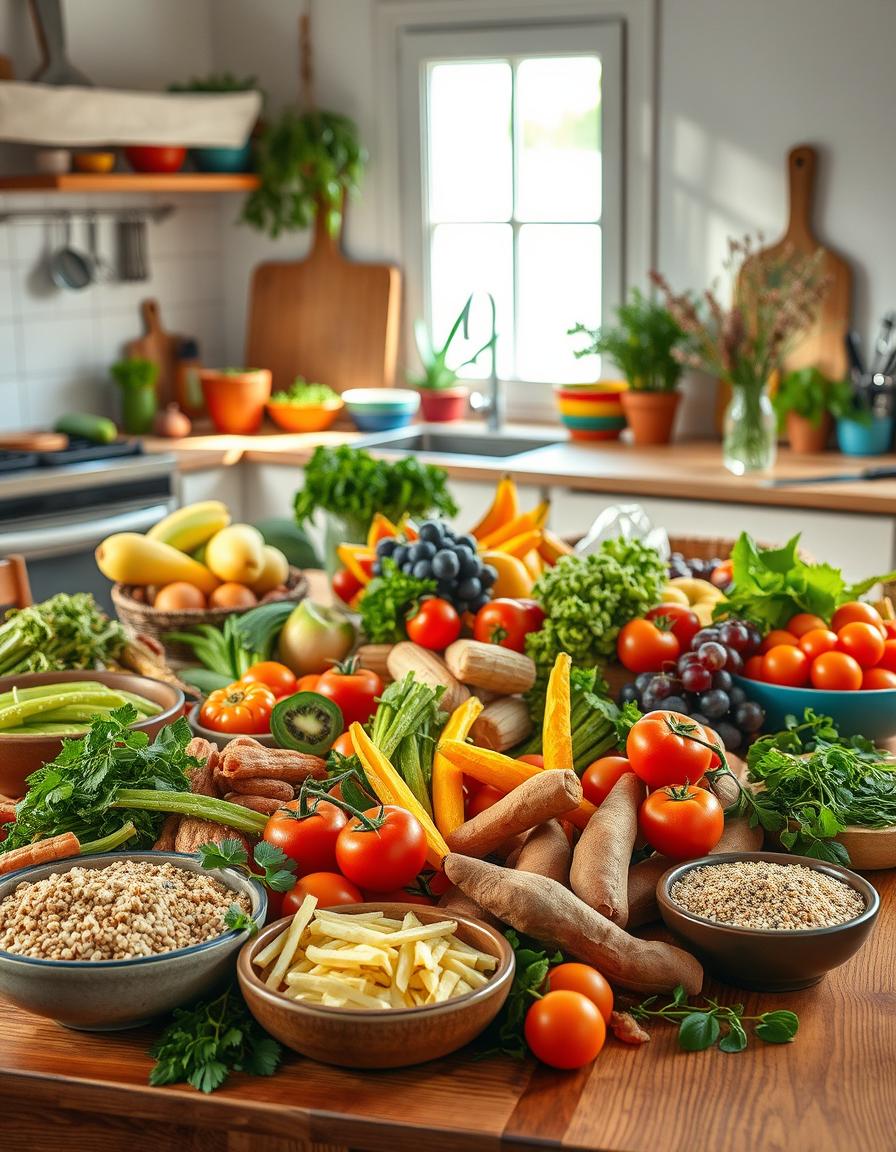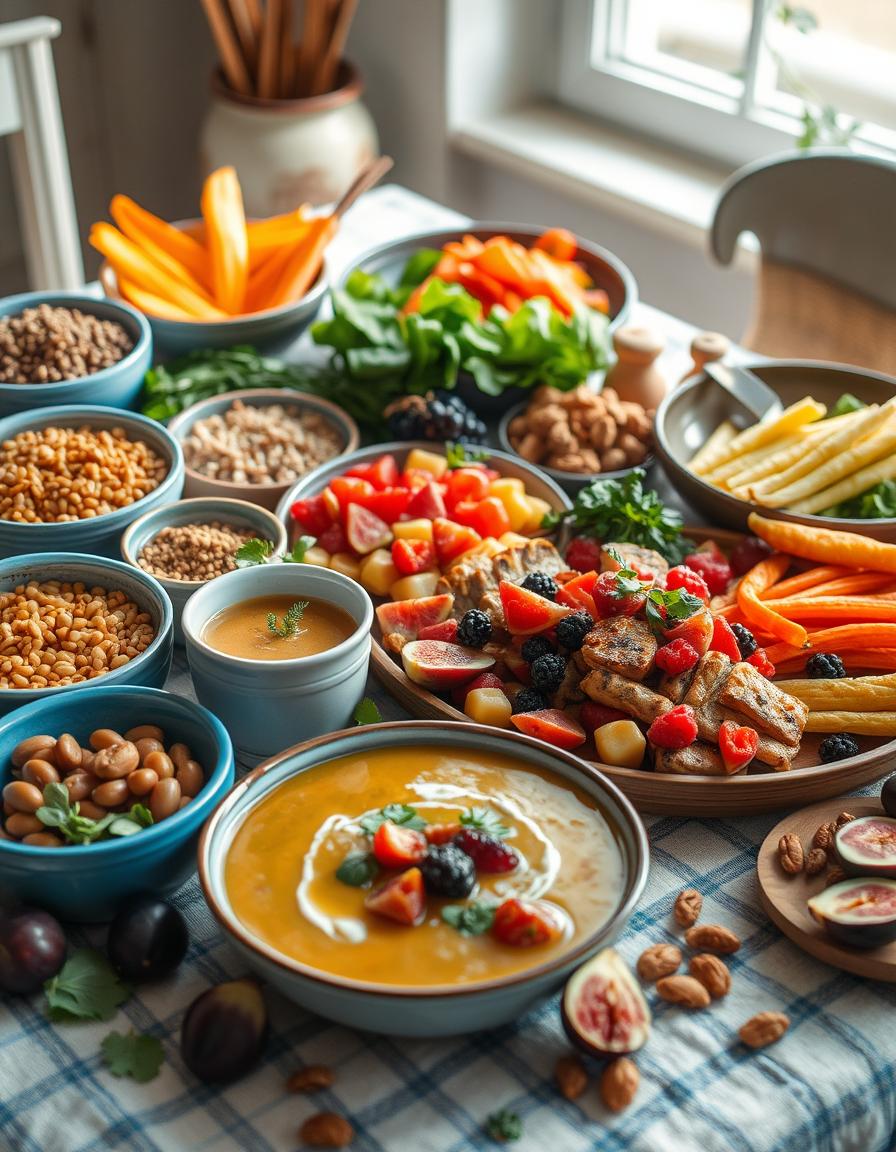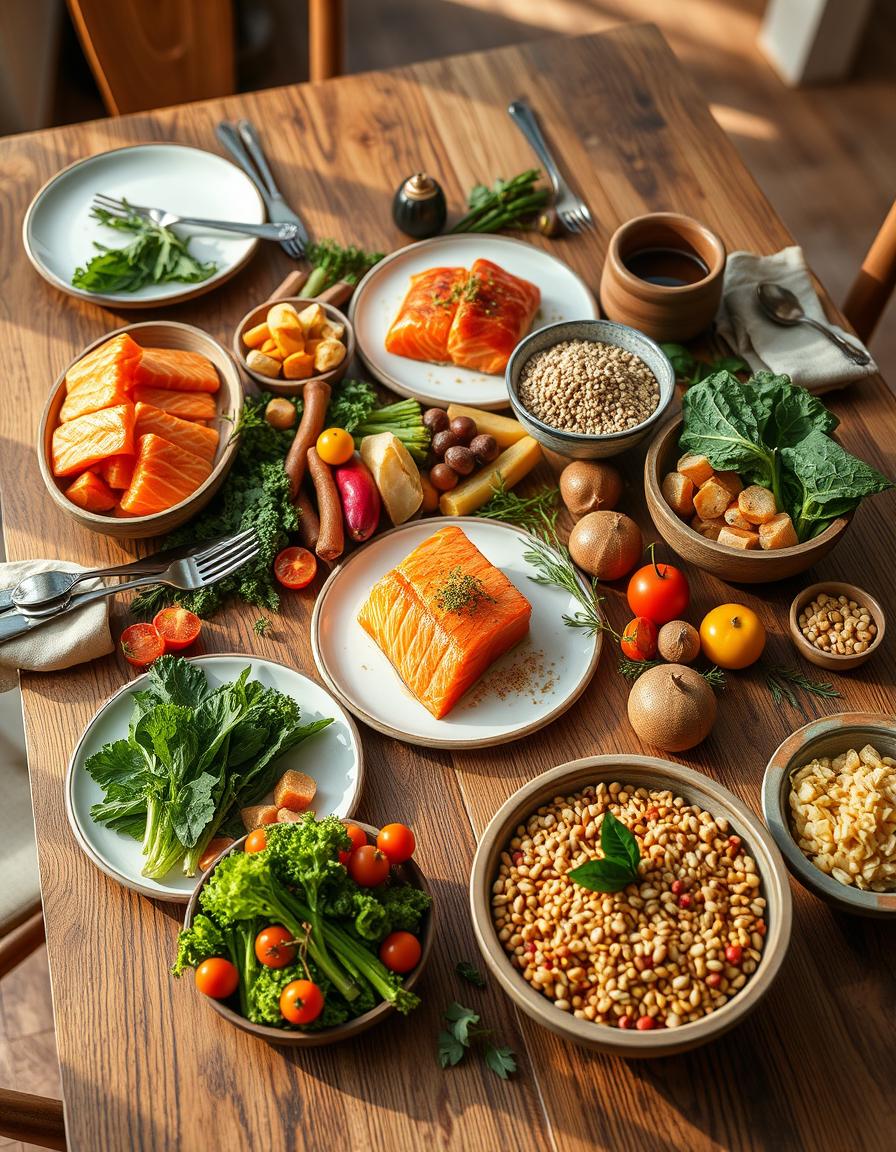
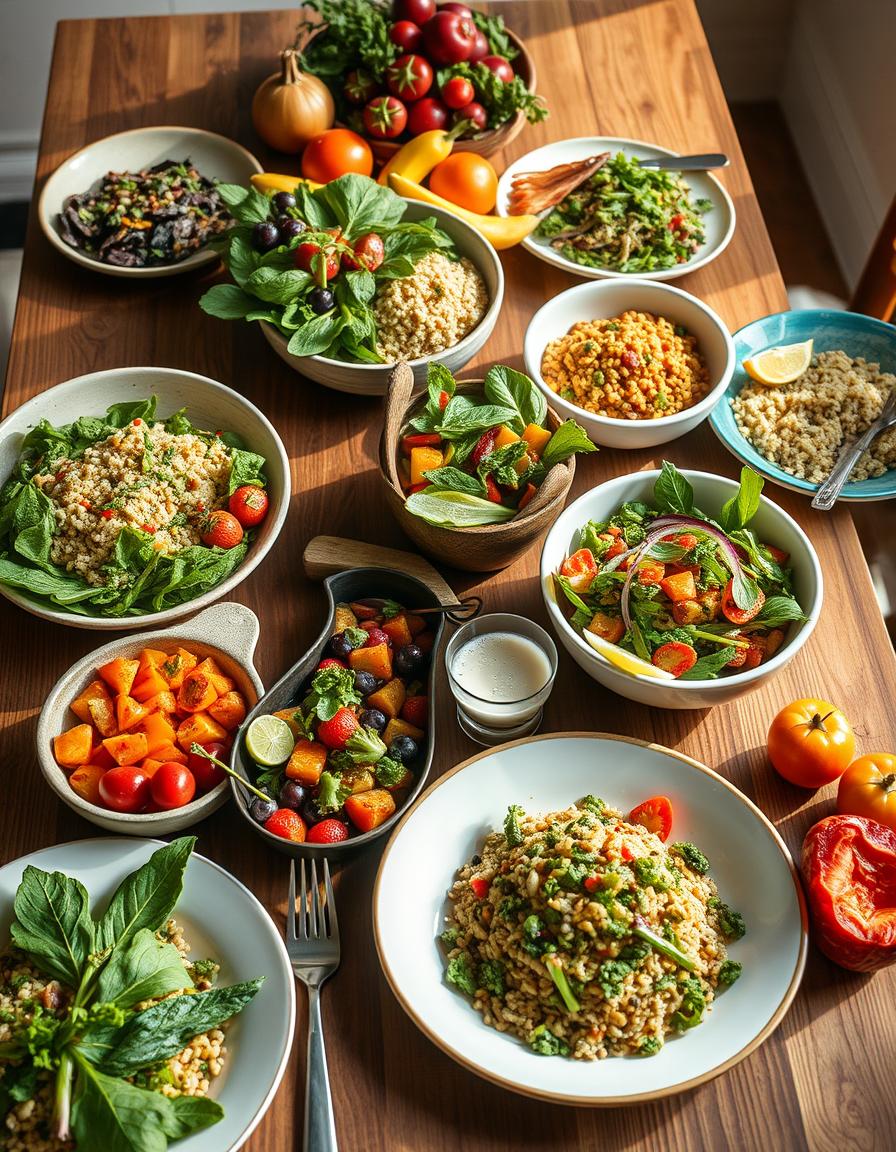
Switching to a plant-based lifestyle can feel like a big leap, but it might just be the fresh start your body and mind need. A 30-day plant-based diet meal plan offers a simple yet exciting way to embrace healthier eating habits. Whether you’re curious about cutting down on meat, boosting energy, or simply trying new flavors, committing to a month of plant-powered meals can truly transform how you feel.
Why Try a Plant-Based Challenge?
Plant-based diets focus on foods that come from plants like vegetables, fruits, grains, nuts, and legumes. This doesn’t mean you have to give up all animal products forever, but just try to fill your plate mostly with plant-based options for 30 days. People often notice that they feel lighter, more energized, and even sleep better after making this switch.
One unique benefit is the variety. It’s easy to fall into meal ruts, but exploring plant-based meals opens a world of colorful, flavorful dishes. Plus, many find that their digestion improves, which is always a win. And hey, your wallet might breathe a little easier too—plant foods often cost less than meat and dairy.
How to Prepare for Your 30-Day Plant-Based Diet Meal Plan
Set Realistic Goals
Start with clear but simple goals. Are you hoping to eat more vegetables? Or maybe reduce processed foods? Write down what you want to achieve. This can keep you motivated when the snack cravings hit.
Stock up on Essentials
Before you begin, fill your pantry and fridge with plant-based staples. Beans, lentils, whole grains like quinoa and brown rice, nuts, seeds, and fresh produce will be your best friends. Having these on hand means fewer excuses to stray from the plan.
Plan Your Meals
Planning makes everything smoother. A simple table outlining breakfasts, lunches, dinners, and snacks can make grocery shopping and cooking stress-free. Below is a sample week from your 30-day plant-based diet meal plan:
| Day | Breakfast | Lunch | Dinner | Snack |
|---|---|---|---|---|
| 1 | Oatmeal with bananas and walnuts | Quinoa salad with chickpeas and veggies | Stir-fried tofu with broccoli and brown rice | Carrot sticks with hummus |
| 2 | Green smoothie with spinach, apple, and flaxseed | Lentil soup with whole grain bread | Sweet potato and black bean tacos | Handful of mixed nuts |
| 3 | Chia pudding with berries | Veggie wrap with avocado and sprouts | Veggie pasta with tomato sauce | Fresh fruit bowl |
Tips to Stay on Track
- Keep It Simple: You don’t need fancy ingredients. Beans and rice are perfectly fine and incredibly nutritious.
- Batch Cook: Make big meals and save leftovers for busy days.
- Experiment with Spices: Adding herbs like basil, cilantro, or spices like cumin can make dishes pop.
- Stay Hydrated: Sometimes thirst masquerades as hunger, so drink plenty of water.
- Enjoy Variety: Eat different colors and types of produce; it keeps things exciting and ensures a range of nutrients.
Common Challenges and How to Overcome Them
Craving Meat or Cheese
It’s normal to miss your favorite comfort foods. Try plant-based versions like nut cheeses or mushroom “meat” substitutes. Also, remember cravings often pass if you stick with it.
Feeling Low on Energy
If you feel tired, check that you’re eating enough calories and including protein-rich foods like beans, lentils, tempeh, and nuts. Iron and B12 are also important nutrients, so consider fortified foods or supplements after consulting a healthcare provider.
Eating Out
Restaurants can be tricky. Look for dishes with veggies, grains, and legumes. Don’t hesitate to ask how meals can be adjusted. Many places now offer plant-based options.
Sample 5-Day 30-Day Plant-Based Diet Meal Plan
| Day | Breakfast | Lunch | Dinner | Snack |
|---|---|---|---|---|
| 4 | Whole grain toast with avocado and tomato slices | Chickpea and spinach curry with brown rice | Grilled vegetable kebabs with quinoa | Apple with almond butter |
| 5 | Berry and banana smoothie bowl with granola | Black bean and corn salad with lime dressing | Vegetable stir fry with soba noodles | Roasted chickpeas |
Maintaining Balance and Nutrient Intake
It’s easy to get caught up in the excitement of plant-based eating and forget about balance. Try to include a bit of protein, fat, and carbs in every meal. Legumes and tofu provide protein, nuts and seeds offer good fats, and grains supply energy-boosting carbs. Vegetables contribute vitamins, minerals, and fiber.
While many plant foods are rich in nutrients, you should also ensure adequate intake of vitamin B12 and possibly vitamin D, especially if sunlight exposure is limited. These are crucial to avoid feeling sluggish.
By the way, if you’re recovering from surgery or similar situations, it’s important to stick to appropriate diets. For example, a liquid diet after oral surgery can be necessary before jumping back into solid foods, including plants.
Fun Facts About Plant-Based Eating
- The word “vegan” was coined in 1944 by Donald Watson, who wanted a term for those avoiding all animal products.
- Eating plants reduces your carbon footprint; it takes fewer resources to produce.
- Legumes, a staple in plant-based diets, have been cultivated for thousands of years and are an ancient superfood.
Conclusion
Taking on a 30-day plant-based diet meal plan is like giving your body a fresh start wrapped in colorful veggies, hearty grains, and wholesome legumes. It’s a chance to explore flavors you may have overlooked and discover how much better you can feel by eating plants. The journey might have bumps, such as missing familiar foods or figuring out new recipes, but the rewards—increased energy, improved digestion, and a lighter mood—are well worth it.
Remember, it’s not about perfection but progress. Each plant-based meal brings you one step closer to thriving inside and out. So, gear up your kitchen, invite some beans and greens over, and enjoy the adventure of nourishing yourself with nature’s bounty.

Timo is the founder of LiteDietPlan.com, where smart nutrition meets simple living.