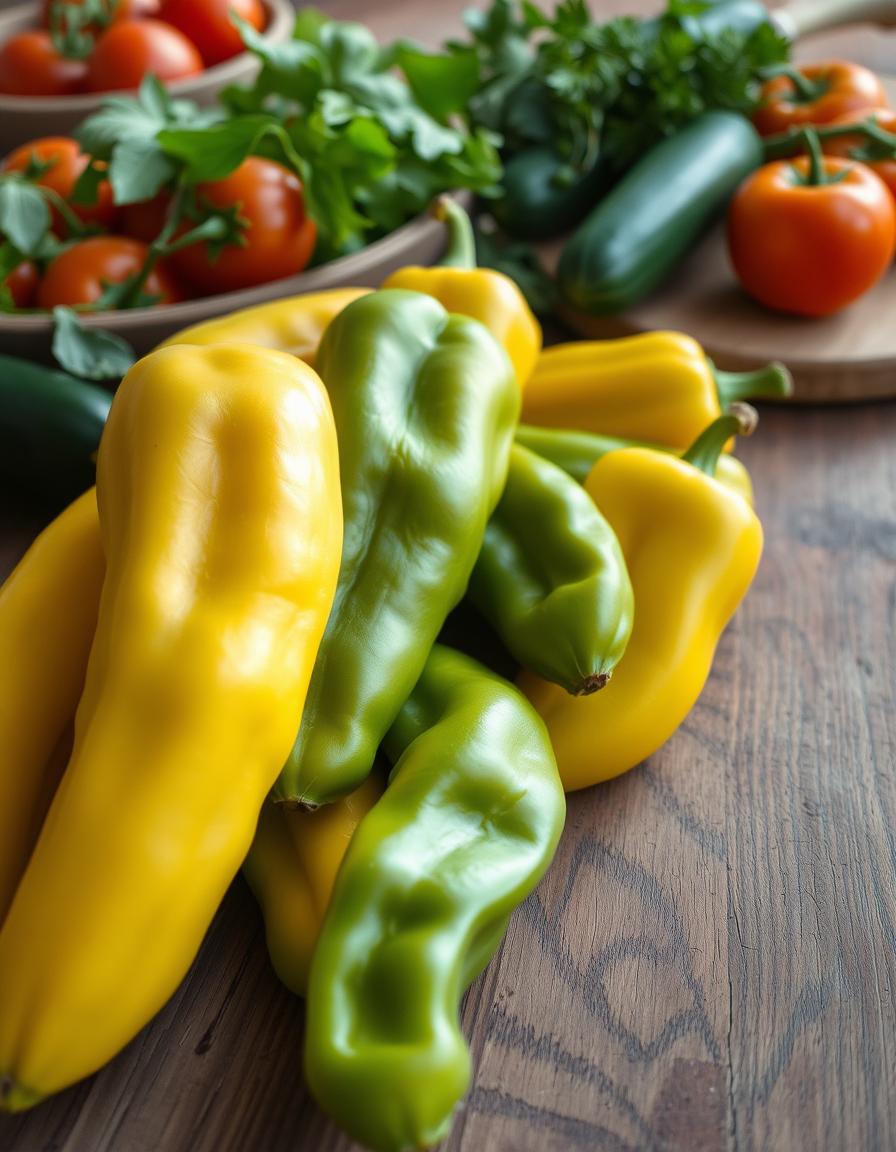

Living with lupus can feel like a rollercoaster, with symptoms flaring unexpectedly and energy levels shifting from high to low. One way to help manage this autoimmune condition is through thoughtful eating. Food has a real impact on how the body responds to inflammation and stress. Building a lupus diet meal plan that supports your health and satisfies your taste buds is not only possible but can be enjoyable too.
Why a Lupus Diet Meal Plan Matters
Lupus causes the immune system to turn on itself, leading to inflammation and tissue damage. Certain foods can either fuel this inflammation or help calm it down. That’s why paying attention to what’s on your plate can offer an extra layer of support alongside medication and medical care.
A lupus diet meal plan focuses on whole, natural foods rich in anti-inflammatory nutrients. It’s about choosing meals that give your body the nutrients it needs without triggering flare-ups.
Key Components of a Lupus Diet Meal Plan
1. Emphasize Anti-Inflammatory Foods
Foods rich in omega-3 fatty acids, antioxidants, and fiber help to reduce inflammation. Incorporate items like:
- Fatty fish such as salmon, mackerel, and sardines
- Colorful fruits like berries, cherries, and oranges
- Leafy greens including spinach, kale, and collards
- Whole grains such as oats, quinoa, and brown rice
- Nuts and seeds like walnuts, almonds, and flaxseeds
2. Limit Foods that May Trigger Inflammation
Some foods can worsen symptoms or cause flare-ups. It’s wise to reduce or avoid:
- Processed and packaged foods high in trans fats and additives
- Sugary drinks and sweets
- Excessive red meat and fried foods
- Foods high in salt that may increase blood pressure
3. Maintain Adequate Protein Intake
Protein supports tissue repair and keeps the immune system functioning well. For lupus patients, lean protein is best. Examples include:
- Skinless poultry such as chicken or turkey
- Beans and legumes
- Low-fat dairy or plant-based alternatives
- Eggs
4. Stay Hydrated and Support Kidney Health
For some with lupus, kidney function may be impaired, so managing hydration and sodium intake is essential. Drinking plenty of water helps flush toxins.
Sample Lupus Diet Meal Plan
| Meal | Foods | Benefits |
|---|---|---|
| Breakfast | Oatmeal topped with fresh berries, walnuts, and a drizzle of honey | High in fiber and omega-3s to reduce inflammation |
| Mid-Morning Snack | Avocado chia pudding | Provides healthy fats and antioxidants for sustained energy |
| Lunch | Grilled salmon salad with mixed greens, cherry tomatoes, and olive oil dressing | Rich in omega-3 fatty acids and vitamins with anti-inflammatory effects |
| Afternoon Snack | Carrot sticks with hummus | Fiber and plant-based protein to keep hunger at bay |
| Dinner | Quinoa bowl with roasted vegetables and lean chicken breast | Balanced meal with complex carbs and lean protein |
| Evening Snack | Greek yogurt with a sprinkle of flaxseeds | Good source of probiotics and omega-3 |
Tips for Creating Your Own Lupus Diet Meal Plan
Listen to Your Body
Everyone’s lupus journey is different. Some foods might affect you more than others. Keep a food diary to track what you eat and how you feel afterward. This can help you spot patterns and avoid triggers.
Plan Ahead to Avoid Stress
Meals prepared in advance can prevent the temptation to grab unhealthy options, especially on low-energy days. Batch cooking soups, stews, or casseroles packed with vegetables and lean protein can save time.
Include a Rainbow of Foods
Eating a variety of colors ensures you get a broad spectrum of nutrients. Think of your plate as an artist’s palette – the more colors, the better.
Don’t Forget to Treat Yourself
Living with lupus means balancing health needs with life’s pleasures. It’s okay to enjoy occasional treats. The key is moderation and incorporating mostly wholesome foods.
Foods to Discuss with Your Doctor
Some lupus patients take medications that interact with certain foods or require monitoring of nutrient intake, such as vitamin K or potassium. Always check with your healthcare provider before making major changes to your diet.
Sample Shopping List for a Lupus-Friendly Diet
- Fresh fruits (blueberries, oranges, apples)
- Leafy greens (spinach, kale)
- Fatty fish (salmon, sardines)
- Whole grains (brown rice, quinoa)
- Nuts and seeds (walnuts, chia seeds)
- Lean poultry
- Legumes (beans and lentils)
- Low-fat dairy or dairy alternatives
- Olive oil
- Fresh herbs and spices for flavor
Conclusion
Eating well with lupus means giving your body ingredients that soothe inflammation and support overall health. A lupus diet meal plan rich in whole foods, lean proteins, and vibrant fruits and vegetables can make a meaningful difference. Remember to tune in to your body’s signals and keep mealtimes enjoyable rather than stressful. With a bit of planning and a sense of adventure, you can create meals that nourish both your body and soul while managing lupus more comfortably.

Timo is the founder of LiteDietPlan.com, where smart nutrition meets simple living.