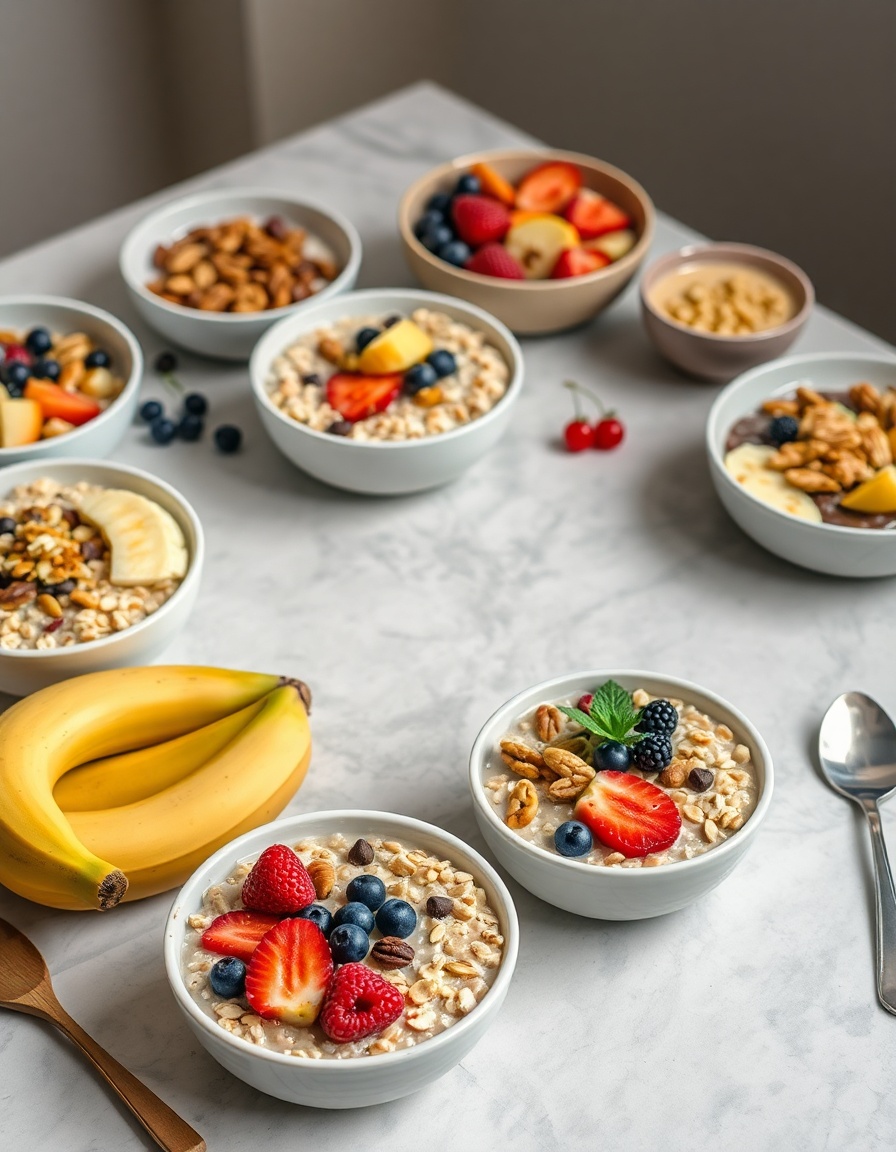

Imagine stepping back in time to a simpler way of eating, one where meals are crafted from natural, wholesome ingredients just like our ancestors enjoyed. The ancestral diet meal plan offers a refreshing path away from processed foods and quick fixes, inviting us to reconnect with the foods that nourished generations before us. It’s about honoring tradition while benefiting from the clean, nutrient-rich meals our bodies truly crave.
What Is an Ancestral Diet Meal Plan?
At its core, an ancestral diet meal plan focuses on eating whole foods similar to what early humans might have consumed. Think fresh vegetables, fruits, nuts, seeds, meat, and fish — with an emphasis on minimal processing. This approach avoids modern processed foods, refined sugars, and artificial additives that weren’t part of the natural diet our bodies evolved with.
Unlike fad diets promising quick results, an ancestral diet meal plan encourages long-term health by embracing simple, nutrient-dense foods. It’s not about calorie counting or cutting out entire food groups; it’s more about what nature intended for us to eat.
The Foundation: What Our Ancestors Ate
Our ancestors didn’t have grocery stores or fast-food chains. Their meals came from the land and waters — hunting, gathering, and foraging. This meant a diet rich in fiber, healthy fats, protein, and natural sugars from fruits and vegetables.
Some common elements include:
- Lean meats from wild game or pasture-raised animals
- Fresh fish and seafood
- Seasonal fruits and vegetables
- Nuts and seeds for healthy fats
- Minimal grains and legumes, or prepared in ways that reduce anti-nutrients
Benefits of Following an Ancestral Diet Meal Plan
Switching to an ancestral diet meal plan can bring surprising benefits for your health and energy. Many people report better digestion, steady energy throughout the day, and clearer thinking. This is likely because the plan reduces foods that spike blood sugar and cause inflammation.
Improved Nutrient Intake
Whole foods are packed with vitamins and minerals that modern processed foods often lack. Eating like our ancestors means your body receives more of what it needs to function well — from omega-3 fatty acids in fish to fiber in fresh veggies.
Better Weight Management
Because this diet emphasizes natural, satisfying foods, it’s easier to avoid overeating. The proteins and fats keep you feeling full longer, helping with weight control without feeling deprived.
Healthier Gut
Our digestive systems are used to breaking down natural fibers and avoiding unnecessary chemicals. By cutting out processed foods and artificial ingredients, your gut flora improves, which boosts immunity and overall wellness.
How to Create Your Own Ancestral Diet Meal Plan
Starting an ancestral diet meal plan doesn’t need to be complicated. Here’s a simple way to organize your meals to reflect ancestral eating patterns.
Focus on Whole, Natural Foods
Begin by filling your plate with:
- Vegetables – think kale, spinach, broccoli, carrots, and more
- Fruits – berries, apples, oranges, and seasonal picks
- High-quality proteins – wild fish, grass-fed beef, free-range poultry
- Healthy fats – olive oil, avocado, nuts, and seeds
Sample Daily Meal Plan
| Meal | Example Menu |
|---|---|
| Breakfast | Scrambled eggs with spinach and mushrooms, side of fresh berries |
| Lunch | Grilled salmon salad with mixed greens, avocado, walnuts, and olive oil dressing |
| Dinner | Roasted chicken thighs with steamed broccoli and sweet potato |
| Snacks | Handful of almonds, carrot sticks, or a piece of fruit |
Tips for Success
- Buy fresh, organic when possible to reduce pesticide exposure
- Cook meals at home to control ingredients and portions
- Incorporate seasonal foods to keep meals exciting and nutrient-rich
- Experiment with herbs and spices for flavor instead of salt or sauces
Addressing Common Concerns
Is It Difficult to Follow?
Some may worry that an ancestral diet meal plan sounds restrictive. Thankfully, it’s quite flexible. You can enjoy a variety of flavors and recipes without focusing on strict limits. The key is prioritizing natural foods and avoiding processed junk.
What About Grains and Legumes?
Not all ancestral diet plans exclude grains or legumes, but many recommend minimizing them or preparing them in traditional ways, such as soaking or fermenting. This reduces substances that might interfere with nutrient absorption.
Can Kids Benefit From This Diet?
Absolutely. Children thrive on nutrient-dense whole foods which support growth and brain development. For examples, parents often turn to options like freeze dried fruit for babies as healthy snack choices that fit well into an ancestral diet framework.
Making the Ancestral Diet Meal Plan Part of Your Lifestyle
The beauty of this approach is its alignment with human biology and history. Once you get a feel for the foods and how to prepare them, the ancestral diet can feel like second nature. It’s like giving your body a friendly nudge back to what it knows best.
Sharing meals with family and friends, trying new recipes, and listening to your body’s natural hunger and fullness cues can make eating this way enjoyable and rewarding.
Conclusion
Choosing to eat with an ancestral diet meal plan is a unique way to honor your body’s natural needs while enjoying delicious, whole foods. It simplifies nutrition by focusing on what nature provided long before processed foods took over. Whether you want to boost your energy, improve digestion, or just eat cleaner, this approach offers practical, down-to-earth guidance. So, give your fork a little history lesson and savor the benefits of eating the old way—it might just be the healthiest decision you ever make!

Timo is the founder of LiteDietPlan.com, where smart nutrition meets simple living.