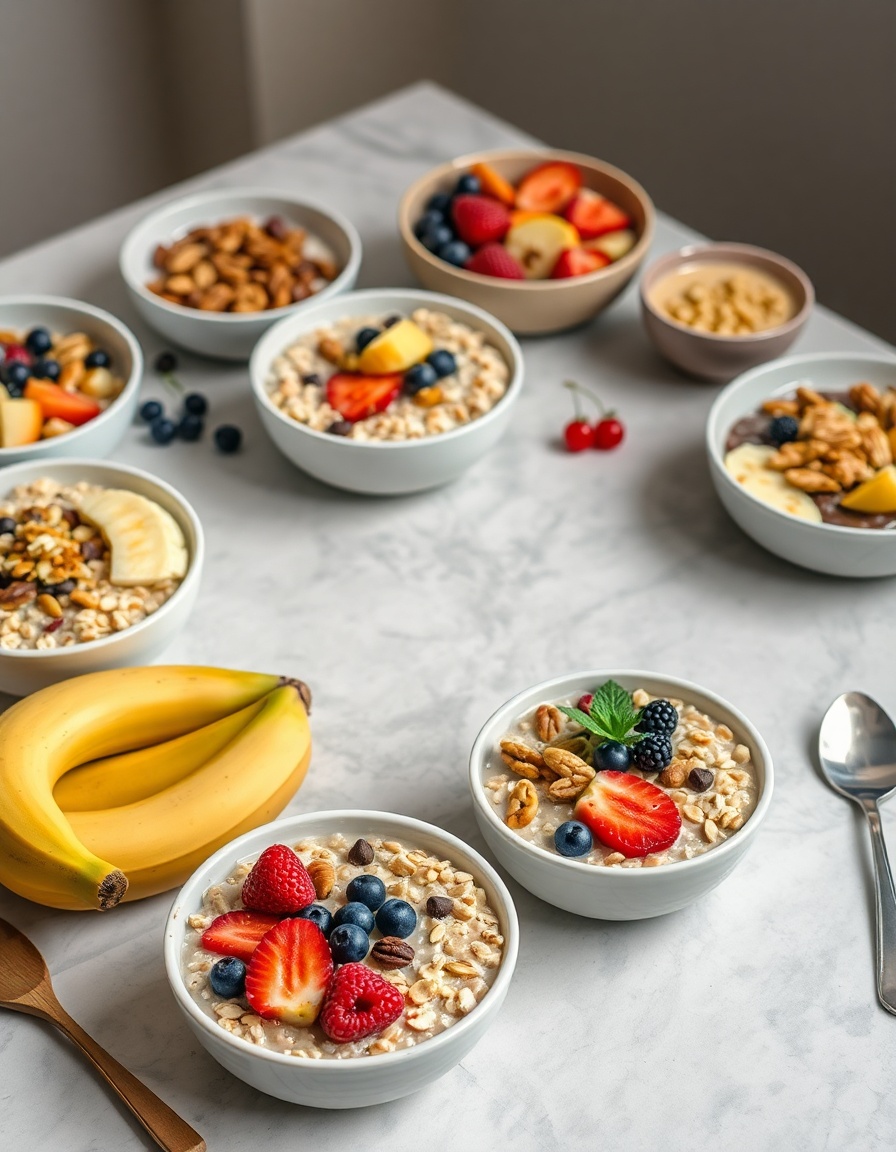

Training for a marathon is a thrilling adventure, but it’s also a challenge that requires more than just logging miles on the road. The right fuel can make or break your endurance and recovery. If you’re looking to cross that finish line with energy to spare, understanding your marathon training diet meal plan is essential. Eating well helps your muscles recover, keeps your energy steady, and can even improve your overall performance. So, let’s talk about how to nourish your body for those long runs and race day.
Why Nutrition Matters in Marathon Training
Picture your body as a car. You wouldn’t expect a car to run well on low-quality fuel, right? The same goes for your body. Your muscles need carbohydrates for fuel, protein to repair, and fats for long-lasting energy. A balanced diet is key to helping you run farther and faster without burning out.
When you ramp up your training, your energy needs increase. Skipping meals or not eating the right foods can leave you feeling tired and vulnerable to injuries. That’s why a smart marathon training diet meal plan isn’t just about eating more, but eating better.
Key Nutrients for Marathon Runners
Carbohydrates: The Primary Fuel
Carbs are your best friend during marathon training. They break down into glucose, your body’s main energy source. Think of carbs as the gasoline for your running engine. Whole grains, fruits, vegetables, and legumes should fill most of your plate.
Try to include complex carbs like brown rice, oats, and sweet potatoes, which provide steady energy. Simple carbs found in fruits and some dairy can kick in quicker for a burst of energy, handy before or during a run.
Protein: Muscle Repair and Recovery
Protein helps your muscles recover after tough workouts. Including clean sources like chicken, fish, beans, and tofu is a smart move. After a run, your body craves protein to rebuild those tiny muscle tears, making you stronger for the next workout.
Wondering about chicken? You can check fried chicken breast nutrition facts to see how lean chicken supports your protein needs without extra fat.
Fats: Energy That Lasts
Healthy fats from nuts, avocados, and olive oil keep your energy steady, especially during long runs. Fats also help your body absorb vitamins and protect your organs. But remember, moderation is the key — too much fat can slow digestion and leave you feeling heavy.
Building a Marathon Training Diet Meal Plan
There’s no one-size-fits-all meal plan, but here’s a simple framework to fuel your training smartly. It balances carbs, protein, fats, and micronutrients for lasting energy and recovery.
| Meal | Key Components | Examples |
|---|---|---|
| Breakfast | Complex carbs + Protein + Healthy fat | Oatmeal with nuts and banana; Whole-grain toast with avocado and eggs |
| Snack | Carbs + Protein | Greek yogurt with berries; Apple slices with peanut butter |
| Lunch | Lean protein + Vegetables + Carbs | Grilled chicken salad with quinoa; Black beans with brown rice and veggies |
| Snack | Carbs + Healthy fat | Trail mix; Hummus with carrot sticks |
| Dinner | Protein + Vegetables + Complex carbs | Baked salmon with sweet potato and broccoli; Stir-fried tofu with brown rice and veggies |
Hydration: The Often Overlooked Partner
Water is your silent ally. Staying hydrated helps your muscles work efficiently and flushes out toxins. During long runs, electrolyte drinks can replace lost salts and keep cramps at bay. Make a habit of sipping water throughout the day, not just during exercise.
Pre-Run and Post-Run Nutrition
Before Your Run
A light meal or snack filled with easy-to-digest carbs and a little protein about 1-2 hours before a run sets you up for success. For example, a banana with peanut butter or a small bowl of oatmeal can do the trick. Avoid heavy or greasy foods that might upset your stomach.
After Your Run
Recovery starts immediately after you finish. Aim to eat a mix of carbs and protein within 30-60 minutes. This combo helps replenish glycogen stores and repair muscles. A smoothie with fruit and protein powder, or a turkey sandwich on whole-grain bread, works well.
Adjusting Your Diet for Different Training Phases
Training isn’t static. Some days, you’ll hit longer miles or interval workouts, while others may be lighter. Your marathon training diet meal plan should adapt accordingly.
- Heavy training days: Increase your carb intake to fuel longer runs and replenish glycogen.
- Rest or light days: Slightly reduce calories but keep protein high to aid recovery.
- Race week: Focus on carb loading 2-3 days before race day to maximize your energy stores.
Common Pitfalls and How to Avoid Them
Even the best runners can fall into nutrition traps. One classic mistake is not eating enough during long runs. Your body can only store so much energy, so bringing along an energy gel, chews, or a banana can keep the wheels turning.
Another pitfall is relying on sugary or processed foods. They can cause energy spikes followed by crashes, leaving you feeling wiped out. Stick with whole, natural foods and drinks to keep your energy smooth.
Sample Day of Eating for Marathon Training
| Time | Meal | Details |
|---|---|---|
| 7:00 AM | Breakfast | Oatmeal topped with sliced almonds and fresh berries |
| 10:00 AM | Snack | Greek yogurt with honey and walnuts |
| 12:30 PM | Lunch | Grilled chicken breast, quinoa salad, steamed kale |
| 3:30 PM | Snack | Carrot sticks with hummus |
| 6:00 PM | Dinner | Baked salmon, sweet potato mash, roasted asparagus |
| 8:30 PM | Optional Snack | A small fruit bowl or a handful of nuts |
Conclusion
Training for a marathon is as much about what goes into your body as what happens on your feet. A smart marathon training diet meal plan helps you stay energized, recover well, and improve your performance. Focus on balancing carbs, protein, and fats, and adjust your intake according to your training demands. Remember, hydration is key, and timing your meals around your runs can make a big difference. With the right fuel, you’ll feel stronger and more confident as race day approaches. So, pack your plate wisely and run happy!

Timo is the founder of LiteDietPlan.com, where smart nutrition meets simple living.