Optimizing your physical performance often requires smart nutrition strategies, especially if you want to shed fat without losing muscle. A cutting diet plan is a popular approach that athletes and fitness enthusiasts use to trim down their body fat while keeping strength and stamina intact. This kind of diet focuses on reducing calorie intake carefully, emphasizing nutrient-rich foods that support energy and recovery. Whether you’re preparing for a competition or just want to get leaner, understanding how to structure your cutting diet plan can make a huge difference in your results.
What Is a Cutting Diet Plan?
A cutting diet plan is essentially a way of eating that helps lower body fat while maintaining muscle mass. Unlike drastic crash diets, this plan reduces calories moderately and emphasizes the right balance of proteins, carbohydrates, and fats. The goal is to fuel your workouts, keep you feeling full, and avoid muscle loss during fat loss.
People use a cutting diet plan because it helps create a calorie deficit without depriving the body of essential nutrients. This is key to maintaining energy levels and performance during training sessions. Plus, a well-crafted cutting diet plan supports better body composition and can improve overall health markers.
Calories: The Foundation of a Cutting Diet
Cutting down calories is the cornerstone of fat loss. However, cutting too many calories too fast can backfire by slowing metabolism and reducing muscle mass. A good rule of thumb is to reduce daily calorie intake by about 15-25% from maintenance levels. This gradual reduction helps you lose fat steadily while retaining strength.
Tracking your daily calories can be made simple with apps or food journals. It’s important to stay consistent and adjust your intake based on progress and how your energy feels during workouts.
Key Components of a Cutting Diet Plan
1. Protein: Your Muscle’s Best Friend
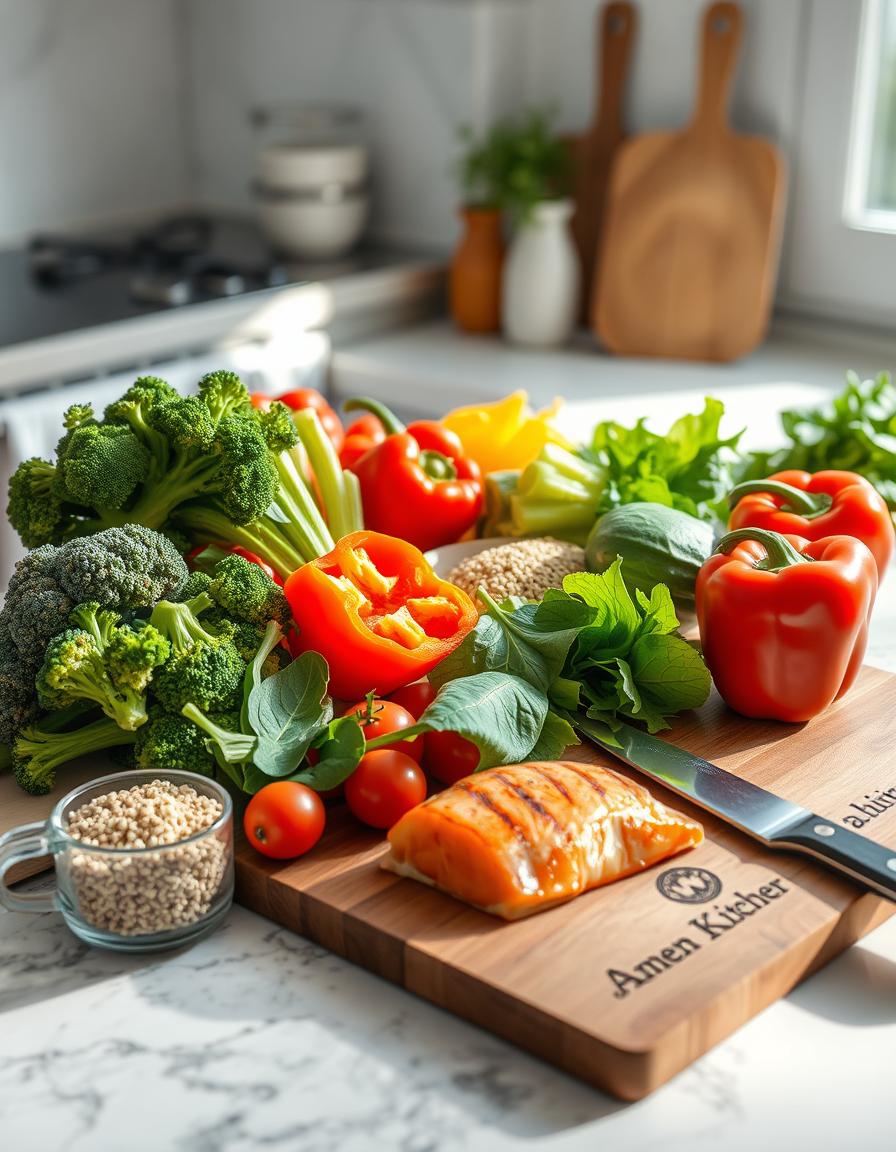
Protein is vital during a cutting phase because it builds and repairs muscles, especially when you’re in a calorie deficit. Aim for about 1.0 to 1.2 grams of protein per pound of body weight. Good protein sources include chicken breast, turkey, lean beef, fish, eggs, and plant-based proteins like tofu and legumes.
2. Carbohydrates: Fuel Without the Guilt
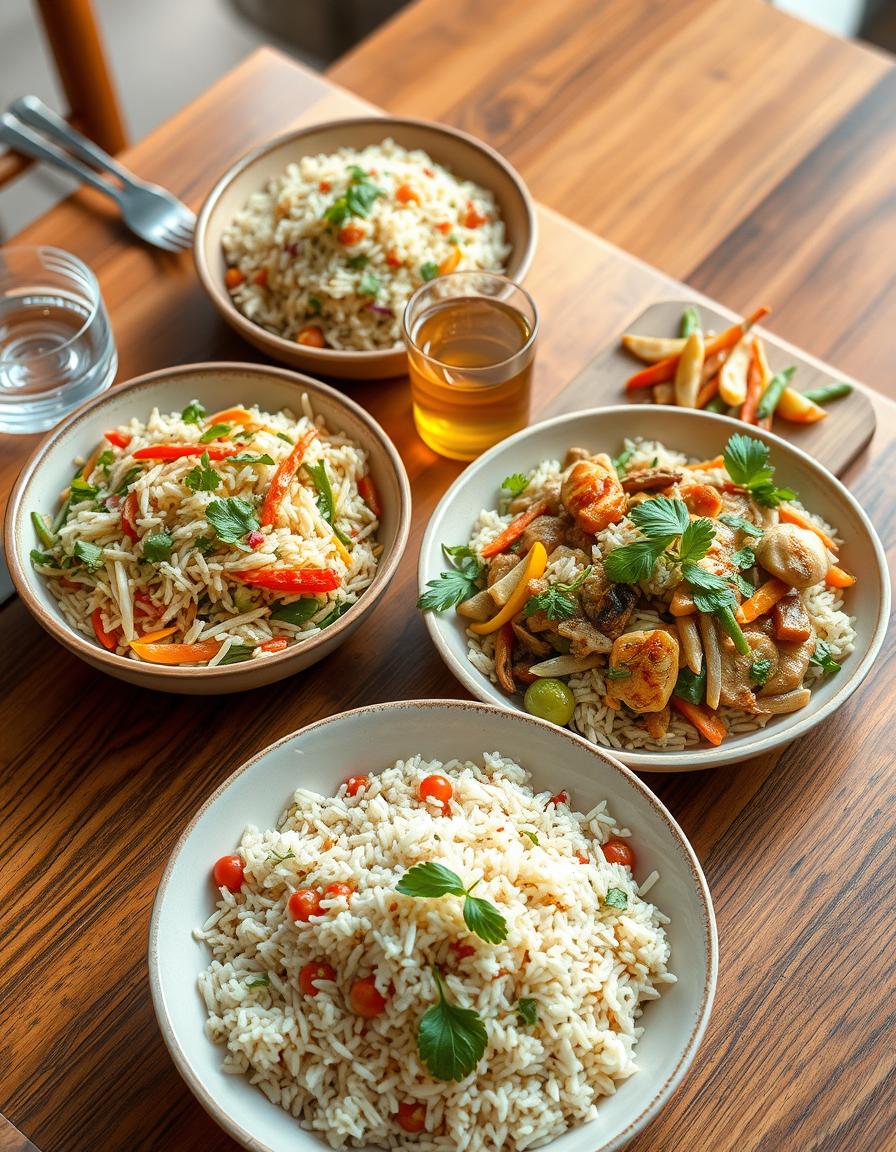
Carbs often get a bad rap in weight loss diets, but they’re essential for energy. The trick is to focus on complex carbs such as whole grains, vegetables, and fruits. These carbohydrates provide sustained energy and fiber, which helps keep you full longer.
3. Healthy Fats: Essential and Satisfying
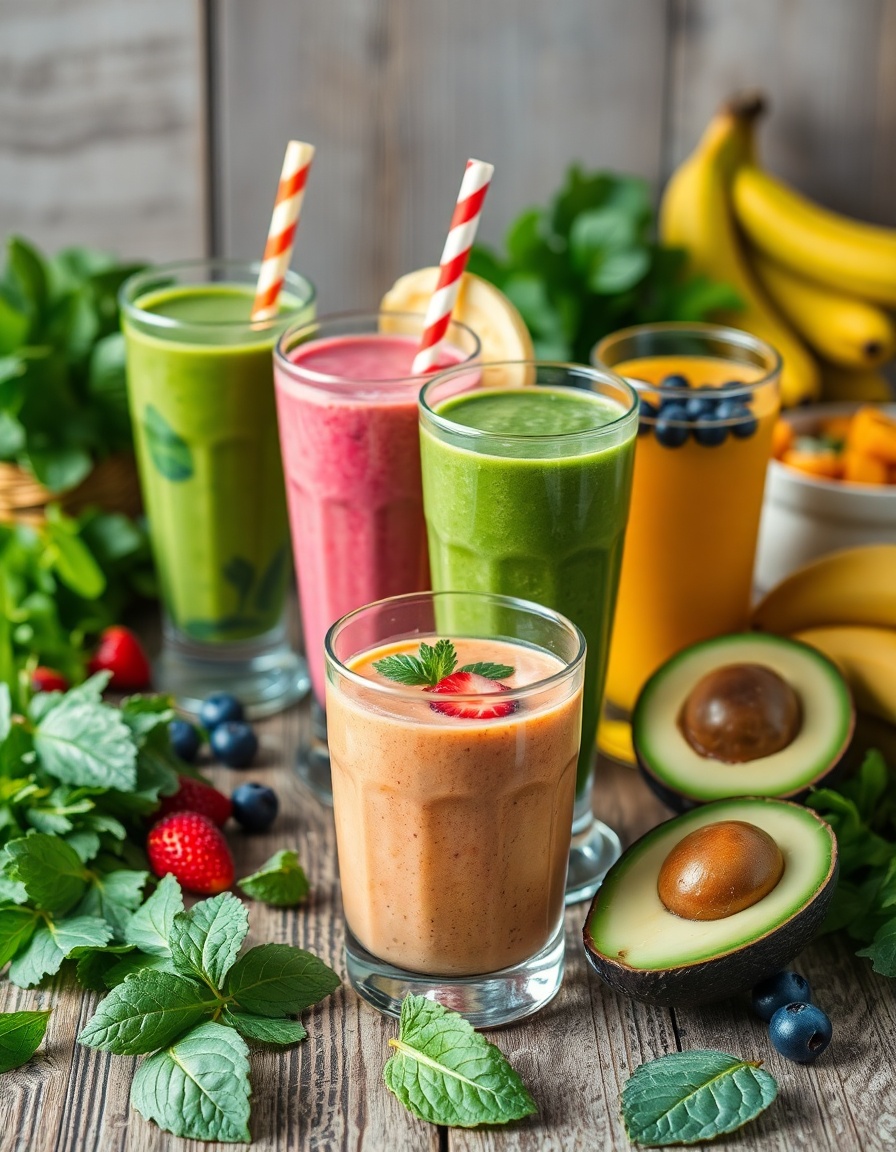
Dietary fats are important for hormone production and overall health. Including sources like avocados, nuts, seeds, and olive oil in your cutting diet plan will ensure your body functions properly while supporting fat loss.
Structuring Your Meals
Having a meal plan can help keep you on track. Here’s a simple example of how to break down your meals in a cutting diet plan.
| Meal | Example | Key Nutrients |
|---|---|---|
| Breakfast | Oatmeal with berries and a scoop of protein powder | Complex carbs, protein, antioxidants |
| Lunch | Grilled chicken breast with quinoa and steamed broccoli | Lean protein, fiber, vitamins |
| Snack | Greek yogurt with a handful of almonds | Protein, healthy fats, probiotics |
| Dinner | Baked salmon with roasted sweet potatoes and asparagus | Omega-3 fats, complex carbs, minerals |
Meal Tips for Success
- Eat frequently throughout the day to keep energy steady.
- Include protein in every meal to protect muscle mass.
- Don’t be afraid of carbohydrates; just choose the right types.
- Stay hydrated – water is your best friend during cutting.
Exercise and a Cutting Diet Plan
Nutrition is only half the battle. Combining your cutting diet plan with the right workout routine maximizes fat loss and performance. Resistance training helps maintain muscle, while cardio supports a calorie deficit. Depending on your goals, a mix of both works best.
Many find that training in the morning or having a small pre-workout snack can boost energy and improve endurance. This is where timing your carbs around workouts comes in handy.
Common Pitfalls and How to Avoid Them
One of the biggest mistakes people make on a cutting diet plan is cutting calories too low. This can lead to fatigue, irritability, and loss of muscle. Another trap is neglecting protein or eating too few carbs, which may shrink your energy levels too much.
It’s also tempting to skip meals or rely on supplements alone. Real, whole foods provide the nutrients that supplements just can’t replace. Remember, balance is key.
For those who love adding flavor without extra calories, using condiments wisely is a smart move. For example, you might want to explore options like the healthiest soy sauce to keep meals tasty while staying on track.
Sample 7-Day Cutting Diet Plan
| Day | Breakfast | Lunch | Dinner | Snack |
|---|---|---|---|---|
| Monday | Egg whites and spinach omelet | Turkey salad with mixed greens | Grilled cod with brown rice and veggies | Apple with peanut butter |
| Tuesday | Greek yogurt with chia seeds | Chicken wrap with avocado and tomato | Beef stir-fry with broccoli and quinoa | Carrot sticks and hummus |
| Wednesday | Protein smoothie with berries and spinach | Grilled salmon salad | Stuffed bell peppers with lean ground turkey | Mixed nuts |
| Thursday | Oatmeal with banana and cinnamon | Quinoa bowl with chickpeas and veggies | Roasted chicken with sweet potato | Cottage cheese with pineapple |
| Friday | Whole grain toast with avocado and eggs | Tilapia with brown rice and asparagus | Beef chili with black beans | Protein bar |
| Saturday | Scrambled eggs with tomatoes and mushrooms | Grilled chicken and vegetable skewers | Lentil soup with mixed greens | Fresh fruit salad |
| Sunday | Protein pancakes with strawberries | Tuna salad wrap | Baked turkey meatballs with zucchini noodles | Yogurt with walnuts |
Conclusion
Following a cutting diet plan thoughtfully can help you lose fat while keeping your muscles strong and your energy high. The key is to find the right balance of calories, macronutrients, and meal timing that fits your lifestyle and workouts. Remember, it’s not a race; steady and consistent progress beats quick fixes every time. Keep your meals tasty and nutritious, stay active, and enjoy the journey to a leaner, healthier you.

Timo is the founder of LiteDietPlan.com, where smart nutrition meets simple living.