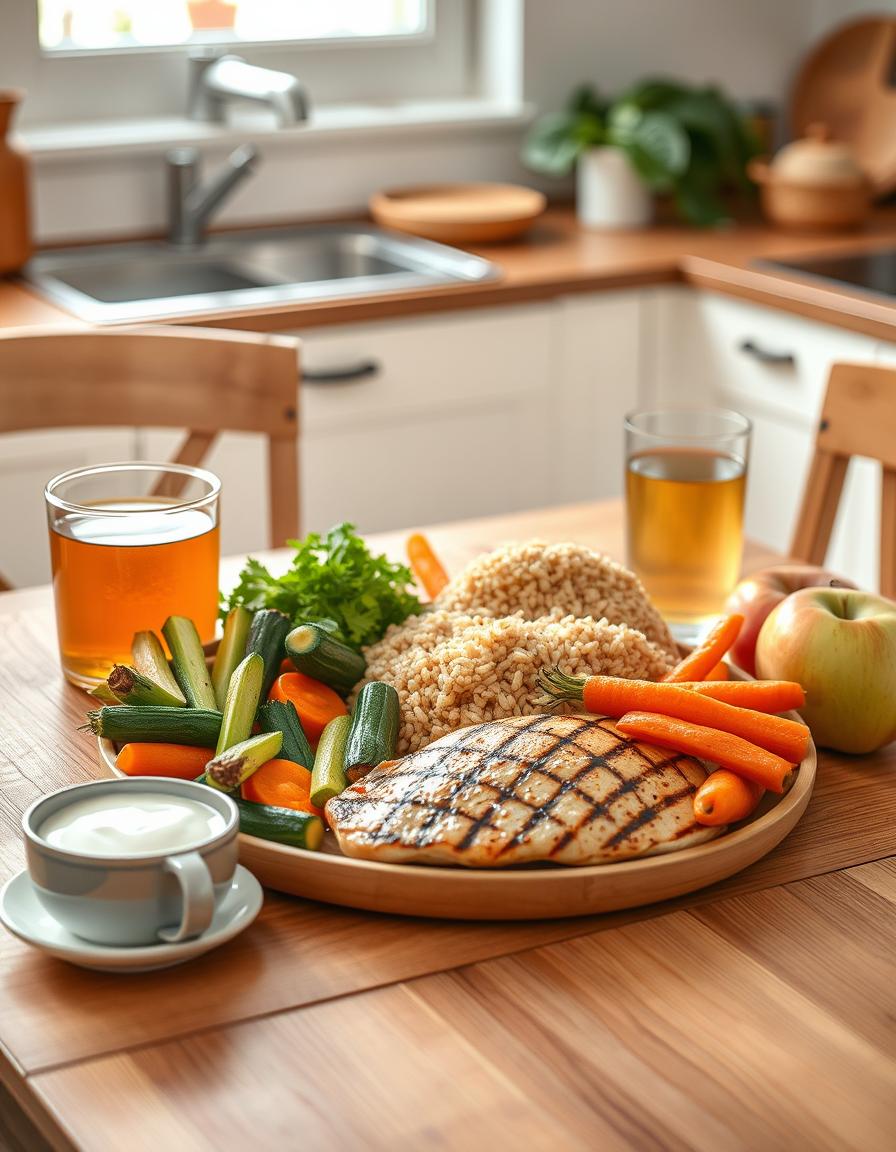
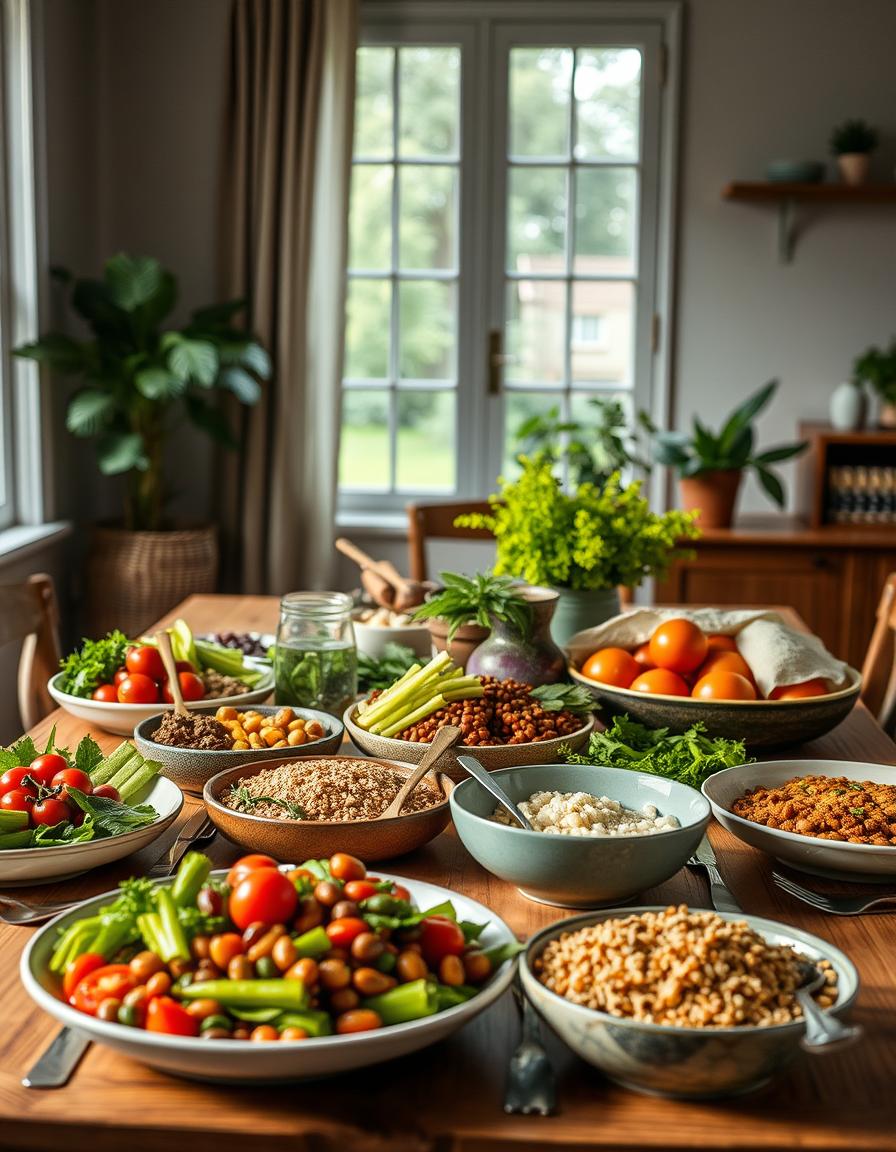
Living with a low-protein diet plan can feel like trying to find your way through a maze blindfolded. Whether it’s due to kidney issues, certain metabolic conditions, or other health concerns, lowering protein intake is crucial for some people to maintain their health. The tricky part? Protein is in so many foods we eat every day, making it tough to plan meals that are both tasty and safe. But don’t worry—managing a low-protein diet is completely doable with the right knowledge and a bit of creativity.
Understanding a Low-Protein Diet Plan
A low-protein diet plan limits the amount of protein you consume daily. While the average adult needs about 50 to 60 grams of protein a day, people following this diet might need to keep it much lower, sometimes as little as 20 grams or less. The goal is to reduce the workload on organs like the kidneys, which can struggle to process excess protein in certain conditions.
Protein is essential for building muscle, healing wounds, and overall growth. So cutting back too much demands care to ensure you still get enough nutrients without putting strain on your body.
Who Needs a Low-Protein Diet?
- Kidney Disease Patients: Kidneys filter waste from breaking down protein. When they’re damaged, too much protein can cause buildup of toxins.
- Metabolic Disorders: Some rare genetic conditions require limiting specific amino acids found in proteins.
- Liver Conditions: Affected livers may need less protein to avoid complications.
Always consult a healthcare professional before starting a low-protein diet plan. Each person’s needs can be quite different.
Building a Low-Protein Diet Plan
Starting a new diet can feel like assembling a puzzle. What foods do you eat? How much? What about taste? Here’s a straightforward guide to help you build a practical low-protein meal plan that won’t bore your taste buds.
Foods to Include
- Fruits and Vegetables: Naturally low in protein, they’re great for filling your plate.
- Grains and Starches: Rice, pasta, bread, and potatoes provide energy without too much protein.
- Low-Protein Special Products: Some companies make low-protein bread, pasta, and snacks specially for this diet.
Foods to Limit or Avoid
- High-Protein Meat: Beef, chicken, pork, and fish.
- Dairy Products: Milk, cheese, yogurt—these are protein-rich.
- Legumes and Nuts: Beans, lentils, peanuts, and other nuts pack a protein punch.
Sample Daily Menu
| Meal | Food | Notes |
|---|---|---|
| Breakfast | White toast with jam, orange slices, and herbal tea | Low-protein bread is best; jam adds sweetness without protein |
| Lunch | Rice with cooked carrots and zucchini, apple | Lots of veggies to add flavor and fiber |
| Snack | Chia seed water recipe | Hydrating and low-protein, with added fiber benefits |
| Dinner | Pasta with tomato sauce and steamed green beans | Use low-protein pasta if possible |
Tips for Success on a Low-Protein Diet Plan
Adjusting to a low-protein diet can feel strange at first. Here are some friendly tips to help you stay motivated and enjoy your meals:
- Plan Ahead: Keep your pantry stocked with low-protein staples so you’re ready for every meal.
- Experiment with Spices: Herbs, spices, and citrus can kick up flavor without adding protein.
- Stay Hydrated: Drinking plenty of water helps your body manage waste products.
- Track Your Intake: Use a simple diary or app to monitor protein amounts and ensure you stay within limits.
- Find Support: Connect with others who follow a low-protein diet plan for recipes and encouragement.
Common Challenges and How to Overcome Them
We all have moments when we want to throw in the towel—especially with diets that limit usual favorites. Here are some hurdles you might face and easy ways to tackle them:
Feeling Hungry or Unsatisfied
Protein leaves you feeling full longer, so cutting back might lead to hunger pangs. Try adding fiber-rich veggies and low-protein snacks to bulk up meals without extra protein.
Boredom with Food Choices
Eating the same bland meals can zap your enthusiasm fast. Spice things up with new recipes, colorful veggies, and the occasional fun drink like a chia seed water recipe.
Eating Out
Restaurants often serve protein-heavy dishes. Consider calling ahead to ask about low-protein options or bring your own low-protein snacks to stay safe and satisfied.
Monitoring Your Health
Following a low-protein diet plan means keeping an eye on how you feel and your medical numbers. Regular check-ups with your doctor are essential to ensure your diet supports your overall health. Blood tests can track your kidney or liver function, electrolyte balance, and nutrient levels.
If you notice unusual tiredness, weakness, or other symptoms, discuss them with your healthcare provider. They might adjust your protein limits or suggest supplements to keep you feeling your best.
Benefits Beyond Health
You might be surprised that a low-protein diet plan can have perks beyond managing illness. Many people report better digestion, clearer skin, and improved energy when following their diet carefully. Plus, learning new recipes and strategies adds a little adventure to mealtime.
It’s important to remember that no single diet fits everyone perfectly. Your journey with a low-protein diet is unique and worth celebrating for the effort it takes to keep your body happy.
Conclusion
Living well on a low-protein diet plan takes some adjustment but can be enjoyable and fulfilling. By focusing on fresh fruits, vegetables, grains, and creative cooking, you can avoid feeling deprived. Planning meals, staying hydrated, and adding variety ensure you meet your nutritional needs without overloading your body with protein.
Remember, patience is key—your body and taste buds will adapt over time. Finding support from healthcare professionals and friends can make the road smoother. With the right mindset and tools, a low-protein diet is more than a restriction; it’s a way to nurture your body and live well.

Timo is the founder of LiteDietPlan.com, where smart nutrition meets simple living.