Mold exposure can be a hidden culprit behind many health problems, from fatigue and headaches to digestive troubles and skin issues. When mold toxins build up in the body, they can cause symptoms that seem puzzling and hard to shake. That’s where a mold detox diet comes into play. By choosing certain foods, you can support your body’s natural ability to flush out these toxins, restore balance, and feel more vibrant.
What Is a Mold Detox Diet?
A mold detox diet is a way of eating that helps your body cleanse itself from the effects of mold toxins. Mold produces harmful substances called mycotoxins, which can affect your immune system, digestion, and even your brain. The goal of the mold detox diet is to reduce inflammation, support liver function, and boost detox pathways so your body can handle these toxins effectively.
Since everyone’s sensitivity to mold can vary, this diet focuses on whole, nourishing foods that encourage healing. It cuts out foods that promote inflammation or impair detoxification, helping your system do the “heavy lifting” of cleaning itself out.
Key Foods to Include in a Mold Detox Diet
1. Cruciferous Vegetables
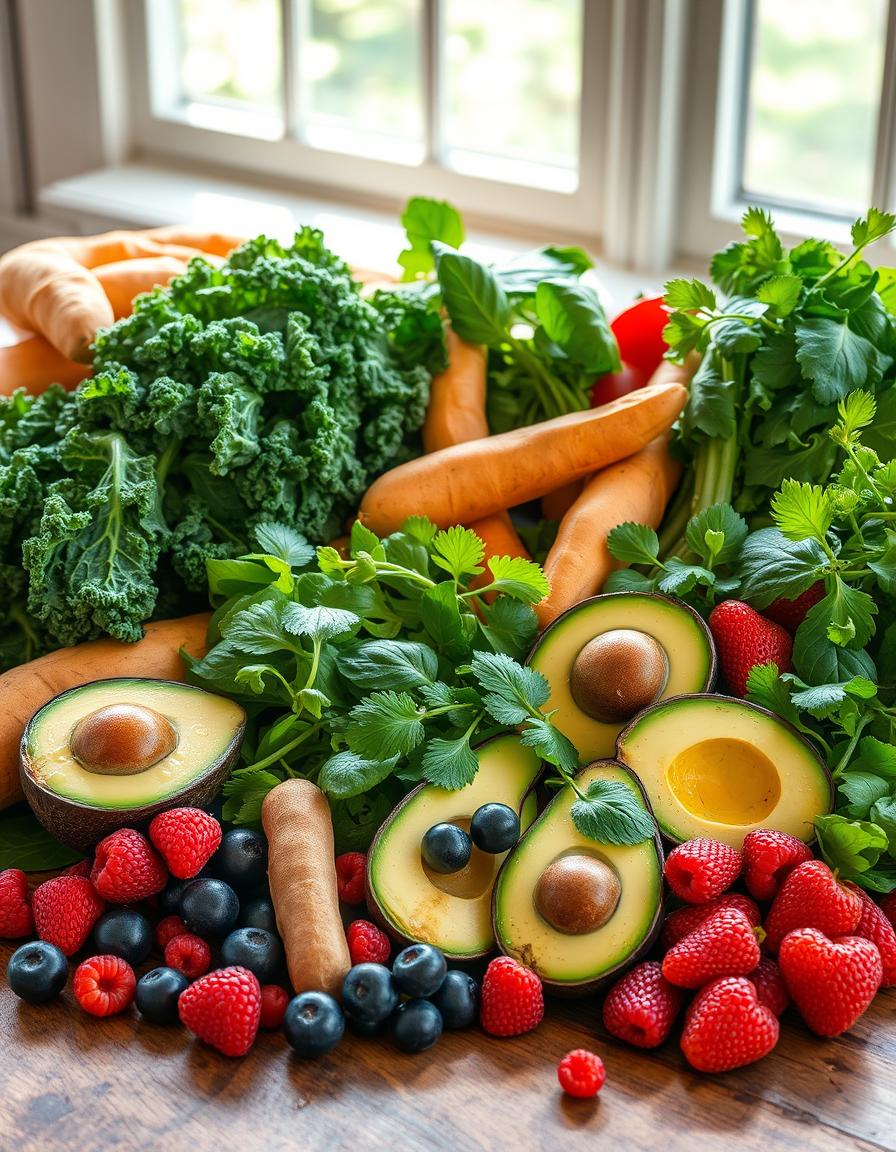
Veggies like broccoli, kale, cauliflower, and Brussels sprouts are champions at detox support. They contain compounds called glucosinolates that help your liver produce enzymes which break down toxins. Toss them in salads, steam, or roast them for a tasty nutrient boost.
2. Garlic and Onions
These pungent powerhouses contain sulfur compounds that support liver detox pathways. Garlic, especially raw or lightly cooked, contains allicin—a natural compound that may help combat fungal infections, including mold.
Berries
Blueberries, strawberries, and raspberries are packed with antioxidants. These help neutralize free radicals and reduce inflammation caused by mold toxins. Enjoy them fresh, in smoothies, or sprinkled over your morning oatmeal.
Fatty Fish
Omega-3 fatty acids found in salmon, mackerel, and sardines help reduce inflammation and support brain health. Since mold toxins can affect your nervous system, including omega-3 rich fish is a smart choice.
Liver-Supporting Foods
Beets, artichokes, and dandelion greens help improve liver function and bile flow, which are vital for detoxification. Try adding beets to salads or sipping dandelion tea to give your liver some love.
Foods to Avoid During a Mold Detox Diet
It’s just as important to steer clear of certain foods that can make mold detox harder. Here’s a quick look at which foods to limit:
| Foods to Avoid | Why? |
|---|---|
| Moldy or fermented foods (e.g., aged cheeses, soy sauce, alcohol) | They can contain or encourage mold growth, worsening symptoms. |
| Refined sugars and processed foods | These feed inflammation and impair your body’s detoxing ability. |
| Gluten and dairy (for some people) | May trigger inflammation or digestive discomfort in sensitive individuals. |
| Processed meats | High in preservatives and chemicals that burden the liver. |
Hydration and Detoxification
Water is your body’s best friend during any detox effort. Drinking plenty of clean, filtered water helps flush toxins through your kidneys and skin. Adding lemon to your water can give your liver an extra detox boost by stimulating bile production.
Supplements That Complement the Mold Detox Diet
While real food should be your main focus, certain supplements can give you the utmost support during mold detox. Here are a few worth considering:
- Activated charcoal: Binds toxins in the gut to prevent reabsorption.
- Glutathione: A master antioxidant that boosts liver detox pathways.
- Probiotics: Restore gut health, which is crucial for detox and immune defense.
- N-acetyl cysteine (NAC): Supports glutathione production and liver health.
Always check with a healthcare provider before starting supplements, especially if you have existing health issues.
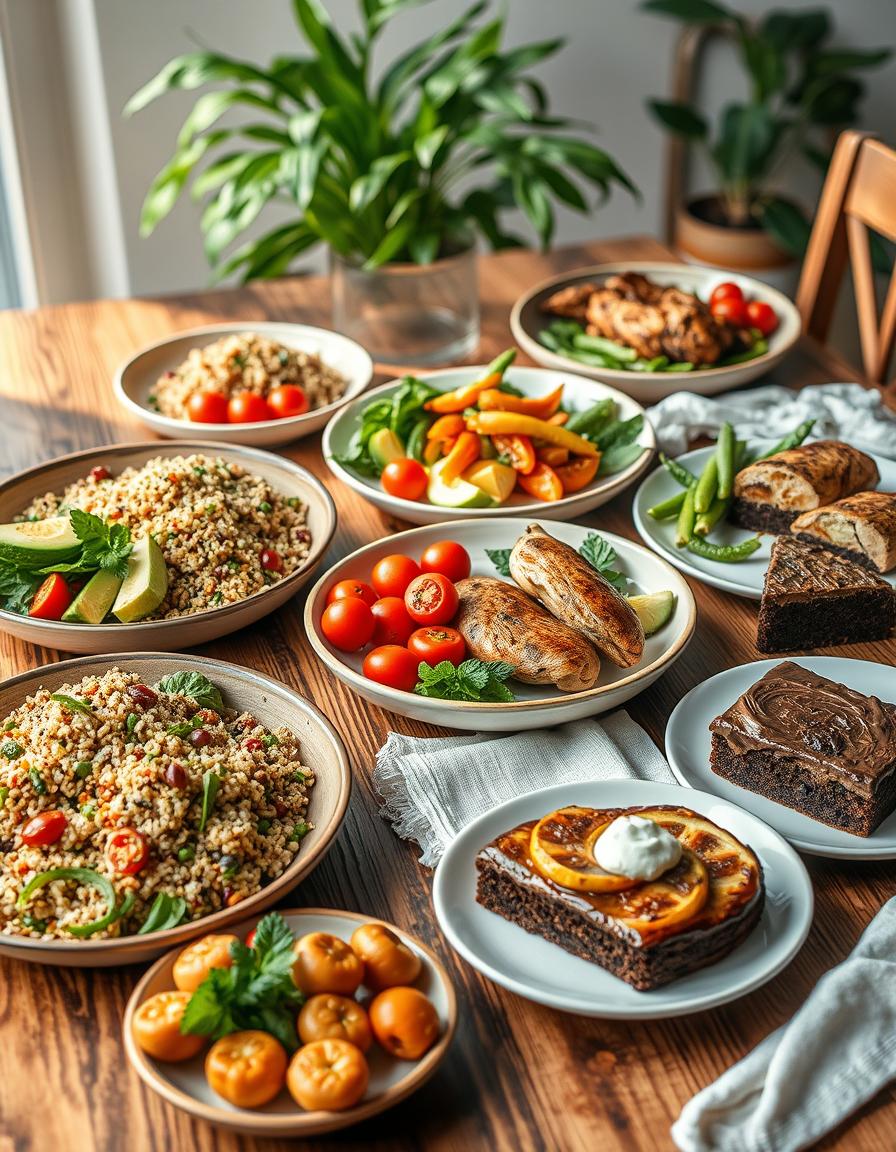
Simple Daily Mold Detox Diet Meal Ideas
Here are some easy meals to keep you aligned with the mold detox diet:
- Breakfast: Green smoothie with kale, blueberries, banana, and a scoop of plant-based protein.
- Lunch: Quinoa salad with roasted beets, steamed broccoli, garlic vinaigrette, and grilled salmon.
- Dinner: Stir-fried Brussels sprouts and garlic with brown rice and artichoke hearts.
- Snacks: Fresh berries, walnuts, or sliced cucumber with hummus.
The Role of Lifestyle in Supporting Mold Detox
Food is only one piece of the puzzle. Getting enough sleep, managing stress, and spending time outdoors all help your body heal and detox more efficiently. Exercise improves circulation and sweating, which also removes some toxins. If you can, open windows regularly to reduce indoor mold exposure and keep humidity in check.
By combining a mold detox diet with healthy lifestyle habits, you give your body a fighting chance to clear out mold toxins and feel its best again. And just a heads up — if you’re curious about seasonal treats that don’t sabotage your health goals, you might want to check out starbucks pumpkin latte nutrition. It’s a fun way to enjoy fall flavors while keeping your wellness on track.
Conclusion
Dealing with mold toxicity can feel frustrating, but adopting a mold detox diet can ease symptoms and help your body cleanse naturally. Focus on fresh vegetables, antioxidant-rich fruits, healthy fats, and liver-friendly foods while avoiding processed, mold-prone, and inflammatory items. Remember that staying hydrated and supporting your detox organs with good sleep and stress relief makes a big difference, too.
With patience and care, the mold detox diet can empower you to regain energy, mental clarity, and overall wellness—one nourishing bite at a time.

Timo is the founder of LiteDietPlan.com, where smart nutrition meets simple living.