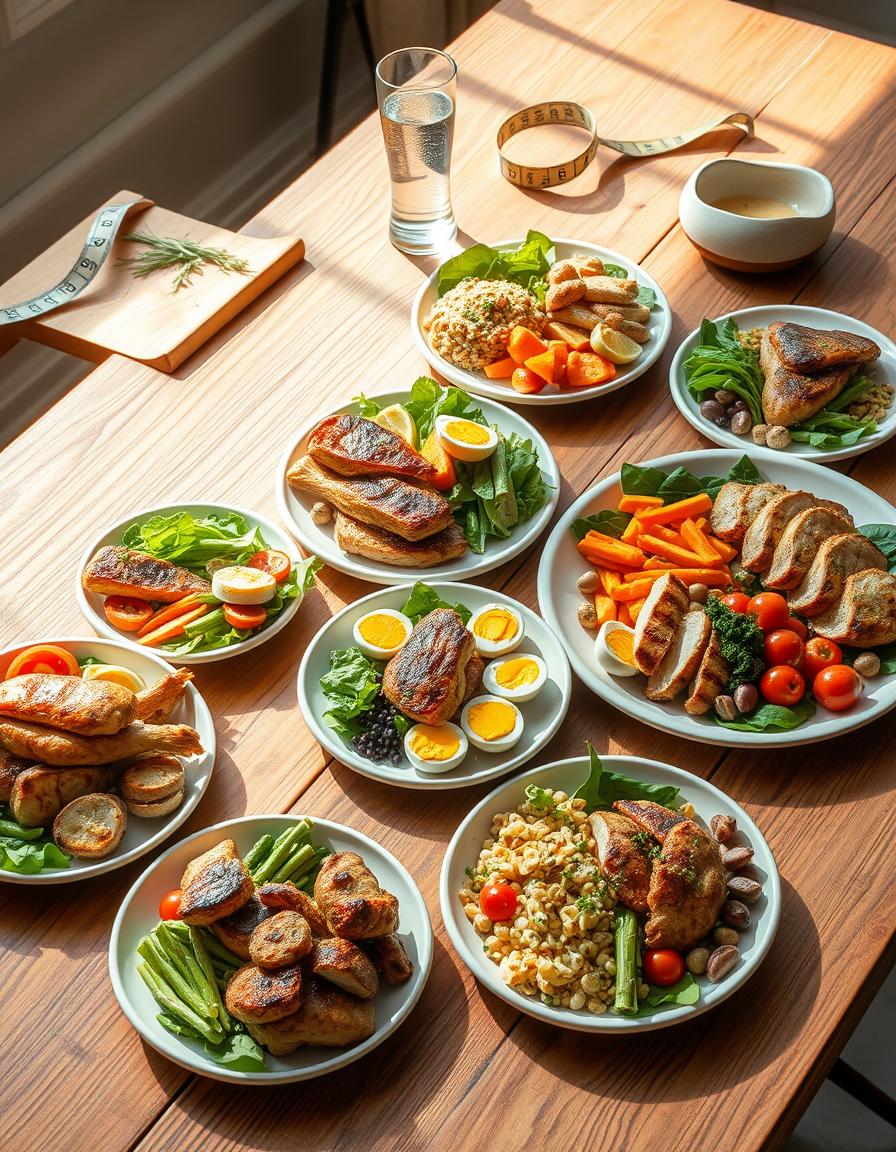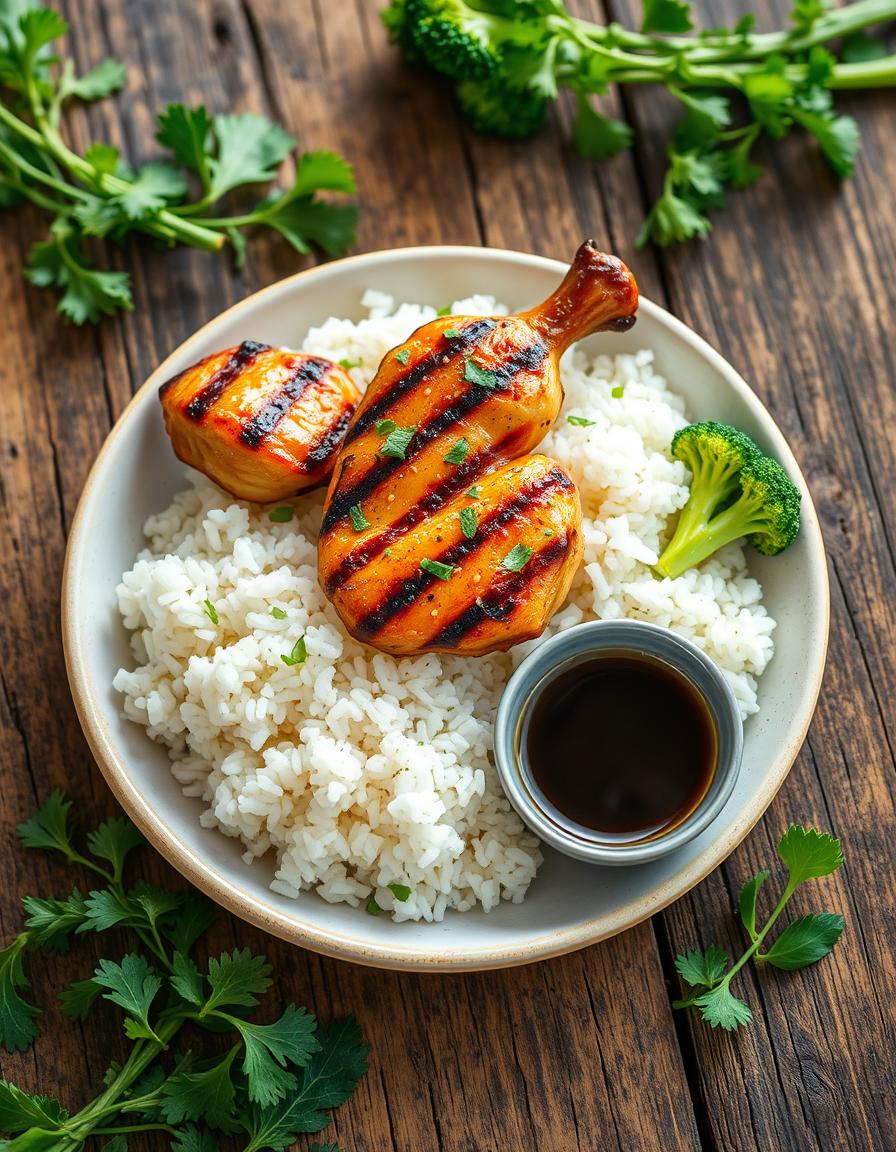
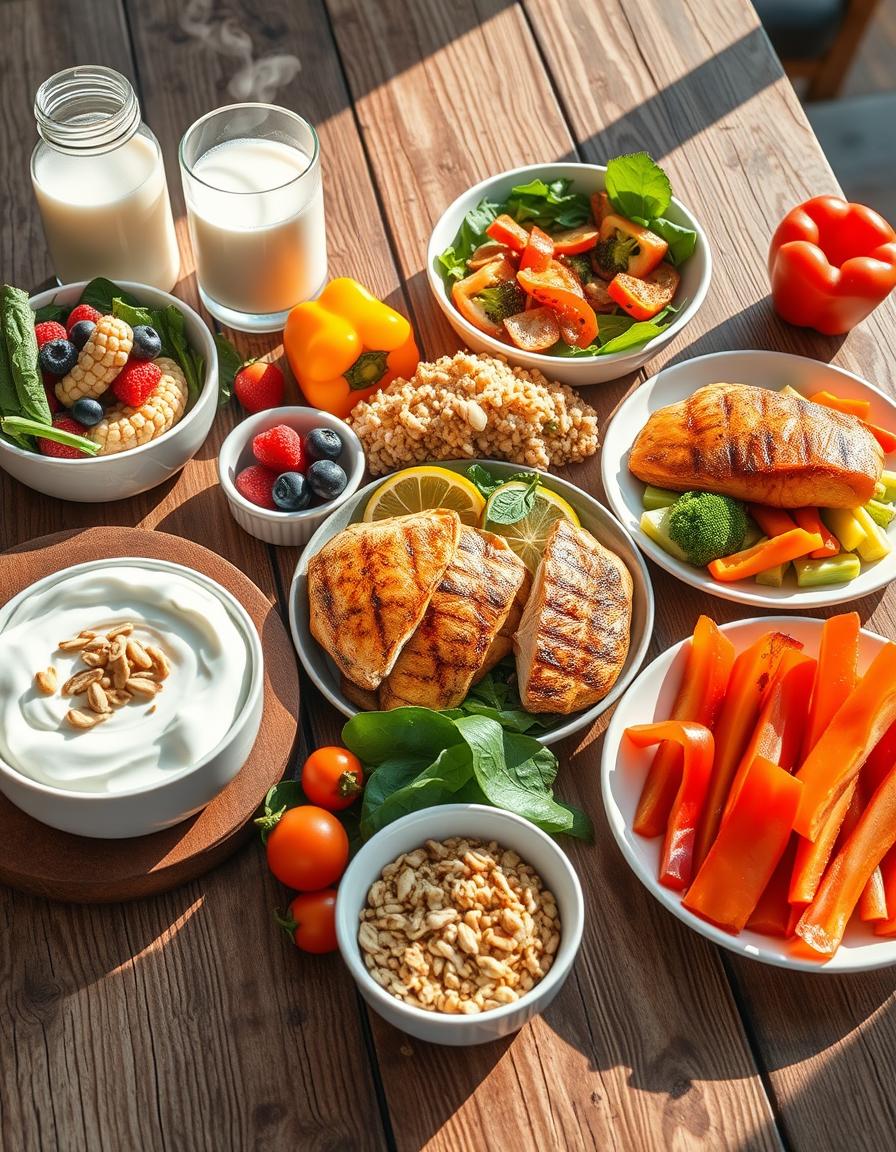
A high-protein meal plan can be a game-changer for anyone looking to build muscle, lose weight, or simply eat healthier. Protein is a crucial nutrient that helps repair tissues, supports immune function, and keeps you feeling full longer. Whether you’re an athlete or just someone who wants to improve your diet, incorporating more protein-rich foods is a smart move that can have noticeable benefits.
Why Choose a High Protein Diet Meal Plan?
Protein has a special place in nutrition. When you eat protein, your body breaks it down into amino acids, which are the building blocks for muscles, skin, and other vital parts of your body. A high protein diet meal plan can help you recover faster after workouts and reduce cravings throughout the day. Plus, protein has a higher thermic effect, meaning your body burns more calories digesting it compared to fats or carbs.
Many people find that increasing protein in their meals helps them stay energized and focused. It also helps maintain lean muscle mass during weight loss, which is crucial since muscle burns more calories than fat. So, a meal plan focusing on high protein content can give you an edge whether you want to shed pounds or bulk up.
Key Components of a High Protein Diet Meal Plan
Protein Sources
Choosing the right protein sources is essential. Including a mix of animal and plant proteins ensures you get a wide variety of nutrients.
- Animal-based proteins: chicken breast, turkey, lean beef, fish, eggs, Greek yogurt, cottage cheese
- Plant-based proteins: beans, lentils, chickpeas, tofu, tempeh, quinoa, edamame, nuts, and seeds
- Protein supplements: whey protein, casein, or plant-based powders can be helpful for busy days
Balancing Carbs and Fats
Even in a high protein diet meal plan, carbohydrates and fats shouldn’t be ignored. Whole grains, fruits, and vegetables add fiber and essential vitamins. Healthy fats from sources like avocados, olive oil, and nuts support brain health and hormone production. Striking the right balance can ensure you get the nutrients needed for energy and overall wellness.
Sample High Protein Meal Plan
Here is an example of what a day on a high protein diet meal plan might look like:
| Meal | Menu | Protein Approx. (grams) |
|---|---|---|
| Breakfast | Scrambled eggs with spinach and feta, whole grain toast | 25 |
| Snack | Greek yogurt with mixed berries and chia seeds | 15 |
| Lunch | Grilled chicken salad with kale, quinoa, and avocado | 35 |
| Snack | Hummus with carrot sticks and string cheese | 12 |
| Dinner | Baked salmon with roasted broccoli and sweet potato | 40 |
If you’re curious about snacking smart and want a tasty option, have a look at this string cheese keto diet guide. It can help you see how this simple snack fits well into many healthy eating plans.
Tips to Keep Your High Protein Diet Meal Plan Enjoyable
Mix It Up
Eating the same protein sources every day can get boring fast. Rotate between chicken, fish, beef, and plant proteins to keep things fresh. Try new recipes or international dishes. For instance, a chickpea curry or grilled tempeh tacos might surprise you!
Plan Ahead
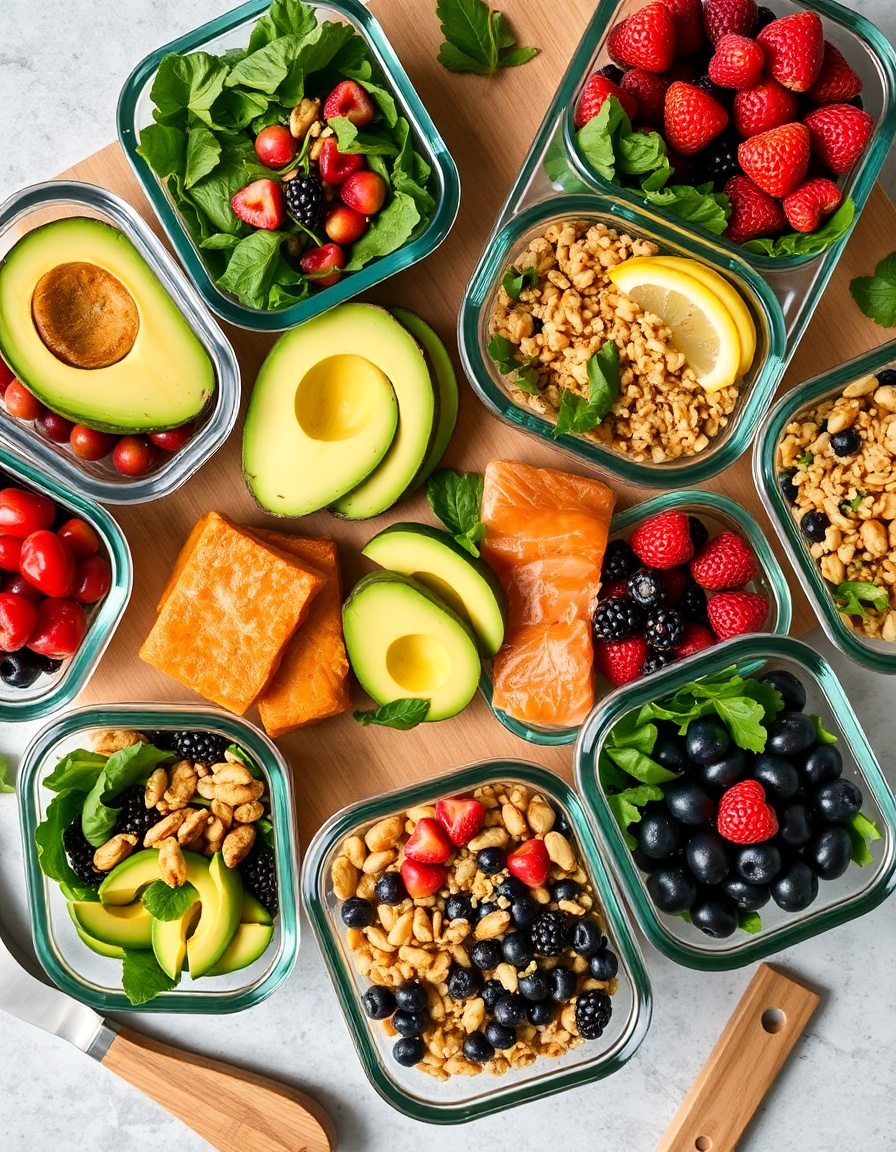
Preparing meals in advance saves time and reduces the temptation to grab unhealthy snacks. Cook batches of chicken or beans and store them in the fridge or freezer. Having protein-rich meals ready makes sticking to your plan easier, especially on crazy busy days.
Watch Portion Sizes
Even though protein is great, eating too much can overwhelm your digestive system and might add extra calories you don’t need. Aim for about 20-40 grams of protein per meal, depending on your activity level and goals. Your body can only use so much at a time, so spreading protein intake through the day is wise.
Common Mistakes to Avoid
- Relying too heavily on protein supplements instead of natural foods.
- Neglecting vegetables and fiber-rich carbs, which are important for digestion.
- Ignoring hydration—drinking enough water helps protein metabolism.
- Skipping meals or going too low in calories, which can slow your metabolism.
Sample Grocery List for a High Protein Diet Meal Plan
- Boneless, skinless chicken breasts
- Salmon or other fatty fish
- Eggs
- Greek yogurt or cottage cheese
- Quinoa or brown rice
- Lentils, chickpeas, black beans
- Spinach, kale, broccoli
- Avocados
- Nuts and seeds
- Olive oil
How Much Protein Do You Really Need?
The amount varies depending on your age, weight, and activity level. Generally, for those looking to build muscle or lose weight, 1.2 to 2.0 grams of protein per kilogram of body weight is a good target. For example, a 70 kg (about 154 lbs) person might aim for 84 to 140 grams of protein daily. A high protein diet meal plan can help you reach these numbers without feeling like a chore.
Enjoying Your High Protein Journey
Think of this meal plan as a friendly sidekick, helping you feel more energized and satisfied throughout the day. Don’t stress about perfection. It’s okay to enjoy treats sometimes—balance is key. The idea is to create a sustainable pattern of eating that supports your goals and lifestyle.
Conclusion
A high protein diet meal plan offers many benefits, from muscle growth to better weight management. By including a variety of protein sources and balancing your meals with healthy fats and carbs, you’re setting yourself up for success. Remember to keep your meals interesting, plan ahead, and listen to your body’s needs. With a little effort, eating more protein can be a simple, tasty, and rewarding way to boost your health.

Timo is the founder of LiteDietPlan.com, where smart nutrition meets simple living.