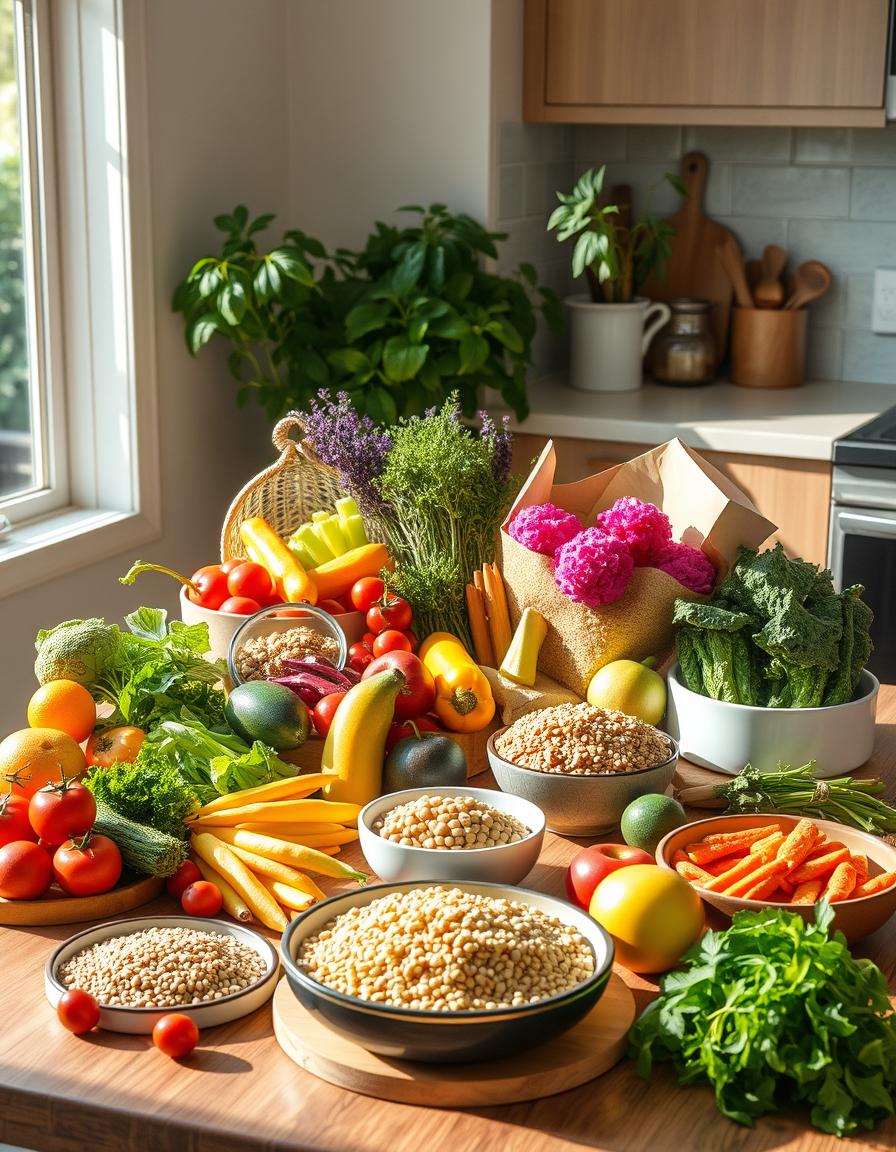
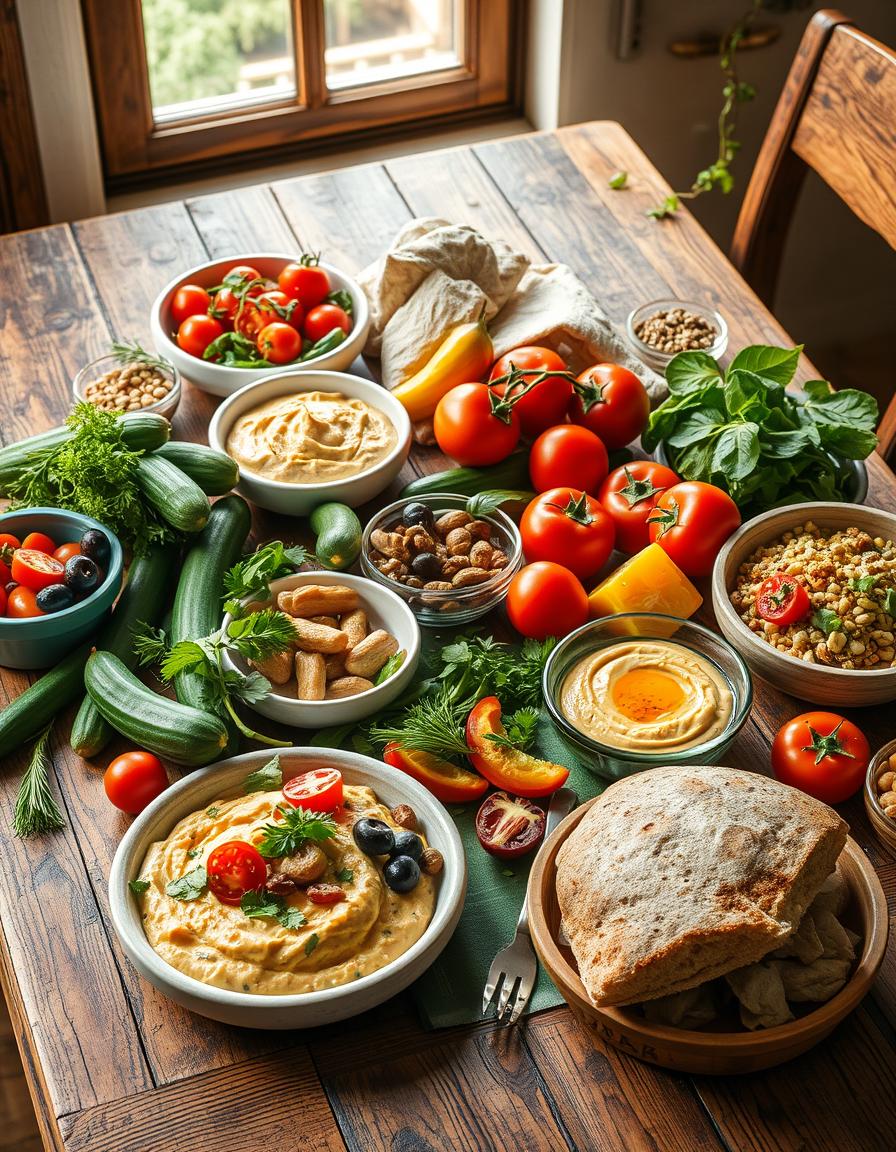
Adopting a vegetarian Mediterranean diet plan can be a delightful way to enjoy flavorful meals while supporting your health. This diet emphasizes fresh vegetables, fruits, whole grains, nuts, seeds, and healthy fats like olive oil, all staples you may already enjoy. It’s well-known for promoting heart health, providing antioxidants, and helping maintain a healthy weight. Plus, being vegetarian means you’re avoiding meat, which adds an extra layer of health benefits and environmental friendliness. But how do you put it all together in a balanced, satisfying way? Let’s explore how to create a vegetarian Mediterranean diet plan that keeps you energized and eager for every meal.
Understanding the Vegetarian Mediterranean Diet Plan
The Mediterranean diet traditionally includes moderate amounts of fish and poultry, but a vegetarian Mediterranean diet plan removes meat and fish entirely. Instead, it focuses on plant-based proteins and other nutrient-rich foods. Think of it as a vibrant garden on your plate, full of colors and textures that satisfy both your palate and your body.
Key Components
- Vegetables: From leafy greens like spinach and kale to colorful peppers and tomatoes, veggies are the star players.
- Fruits: Fresh or dried, fruits add natural sweetness and loads of vitamins.
- Whole Grains: Foods like brown rice, farro, bulgur, and whole-wheat bread provide energy and fiber.
- Legumes: Beans, lentils, and chickpeas serve as the go-to protein sources.
- Nuts and Seeds: Almonds, walnuts, flaxseeds, and chia seeds offer healthy fats and crunch.
- Healthy Fats: Olive oil is the superstar fat, offering heart-healthy monounsaturated fat.
- Dairy: Cheese and yogurt in moderation, preferably from goat or sheep, are common in the Mediterranean tradition.
- Herbs and Spices: Garlic, oregano, basil, rosemary, and mint boost flavor without added salt or fat.
Balancing Your Meals
Building your plate around a variety of these foods ensures you get a range of nutrients. Here’s a simple way to visualize it:
| Food Group | Suggested Portion | Sample Foods |
|---|---|---|
| Vegetables | Half your plate | Roasted eggplant, sautéed spinach, fresh salads |
| Whole Grains | Quarter of your plate | Quinoa, whole-wheat pasta, barley |
| Legumes & Plant Proteins | Quarter of your plate | Lentils, chickpeas, black beans |
| Healthy Fats & Nuts | Small handful or 1-2 tablespoons | Olive oil, walnuts, flaxseeds |
Protein Sources for Vegetarians
One concern many face when switching to a vegetarian Mediterranean diet plan is getting enough protein. Fear not—there are plenty of options that pack a punch. Legumes like lentils and chickpeas are excellent protein sources, making tasty hummus or warm stews. Tofu and tempeh can also be introduced, absorbing herbs and spices like culinary sponges. Nuts and seeds add not only protein but also healthy fats and crunch—great for salads and snacks.
Sample Meal Ideas
Adding diversity to your meals keeps boredom away and ensures you’re eating a wide range of nutrients. Here are a few ideas to spark your creativity:
- Breakfast: Greek yogurt topped with fresh fruit, honey, and a sprinkle of walnuts.
- Lunch: Farro salad mixed with roasted vegetables, chickpeas, olive oil, and fresh herbs.
- Dinner: Stuffed bell peppers filled with quinoa, lentils, tomatoes, and herbs, drizzled with olive oil.
- Snack: A handful of almonds or a few whole-grain crackers with hummus.
Mind the Micronutrients
While the vegetarian Mediterranean diet plan is rich in many nutrients, some vitamins and minerals require attention. Vitamin B12, iron, omega-3 fatty acids, and calcium are often lower in vegetarian diets.
- Vitamin B12: Found primarily in animal products, so consider fortified foods or supplements.
- Iron: Present in spinach, lentils, and whole grains but better absorbed when eaten with vitamin C-rich foods like tomatoes or citrus.
- Omega-3 Fatty Acids: Sources include flaxseeds, chia seeds, walnuts, and algae-based supplements.
- Calcium: Found in dairy, fortified plant milks, and leafy greens.
Tips to Stay on Track
Meal planning is your friend here. Preparing meals ahead or keeping healthy snacks handy prevents the dreaded “what’s for dinner?” panic. Experimenting with herbs and spices keeps flavors fresh. Also, enjoy meals slowly and savor each bite—it’s a Mediterranean way to boost digestion and satisfaction.
By nurturing your meals with whole, plant-based foods, you get to enjoy the best of both worlds: delicious flavors and balanced nutrition. On a side note, even though a vegetarian Mediterranean diet plan avoids meat, some people like to occasionally check nutrition details of other foods out of curiosity or comparative interest. For example, if you ever want to learn about animal protein sources, there’s useful information on ground sirloin nutrition that provides clear insights on lean beef calories and protein.
Conclusion
The vegetarian Mediterranean diet plan offers a unique combination of taste, nutrition, and health benefits. By focusing on fresh vegetables, legumes, whole grains, nuts, and healthy fats, you can enjoy meals full of life and color. Paying attention to key nutrients ensures your body gets what it needs. Plus, this plan fits well into busy lives, thanks to its simple ingredients and straightforward meals. Whether you’re aiming to improve heart health, boost energy, or just try something new, this way of eating is a smart, delicious choice that feels like a daily celebration for your body and taste buds.

Timo is the founder of LiteDietPlan.com, where smart nutrition meets simple living.