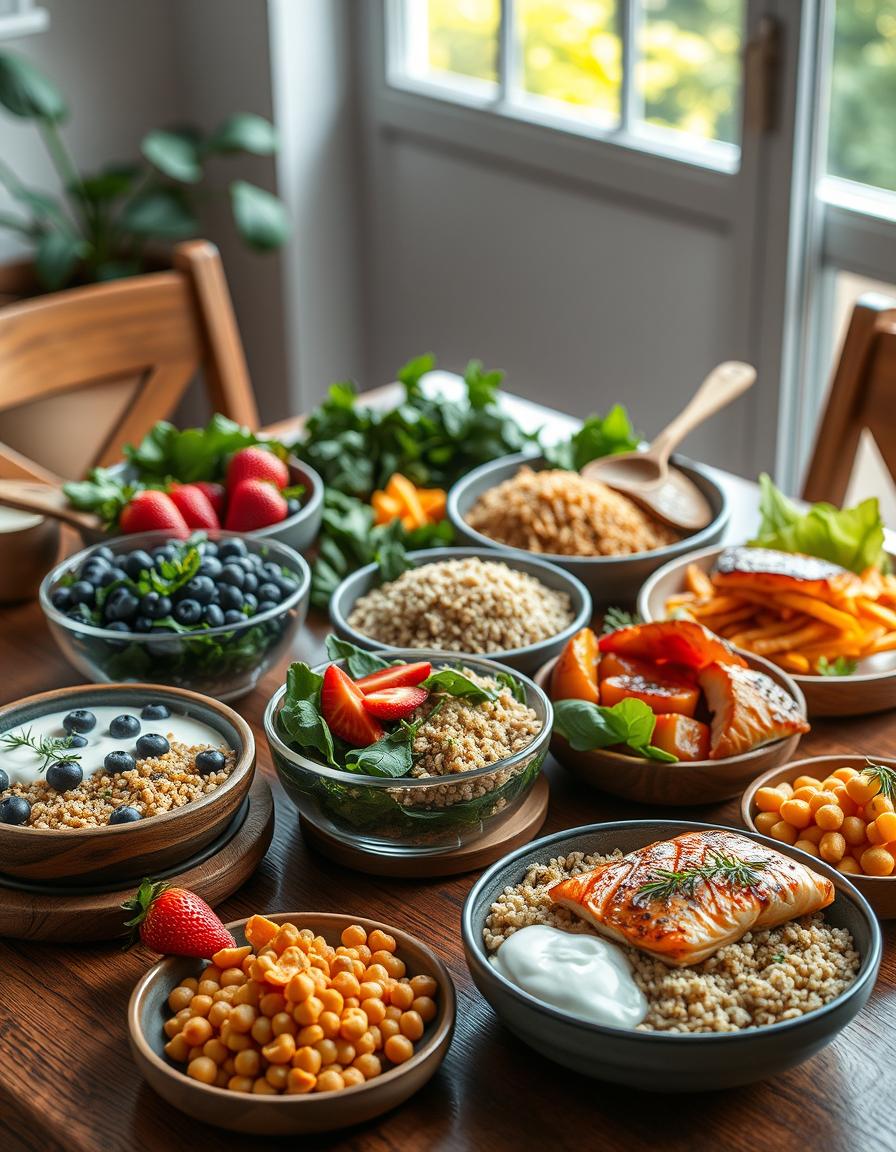
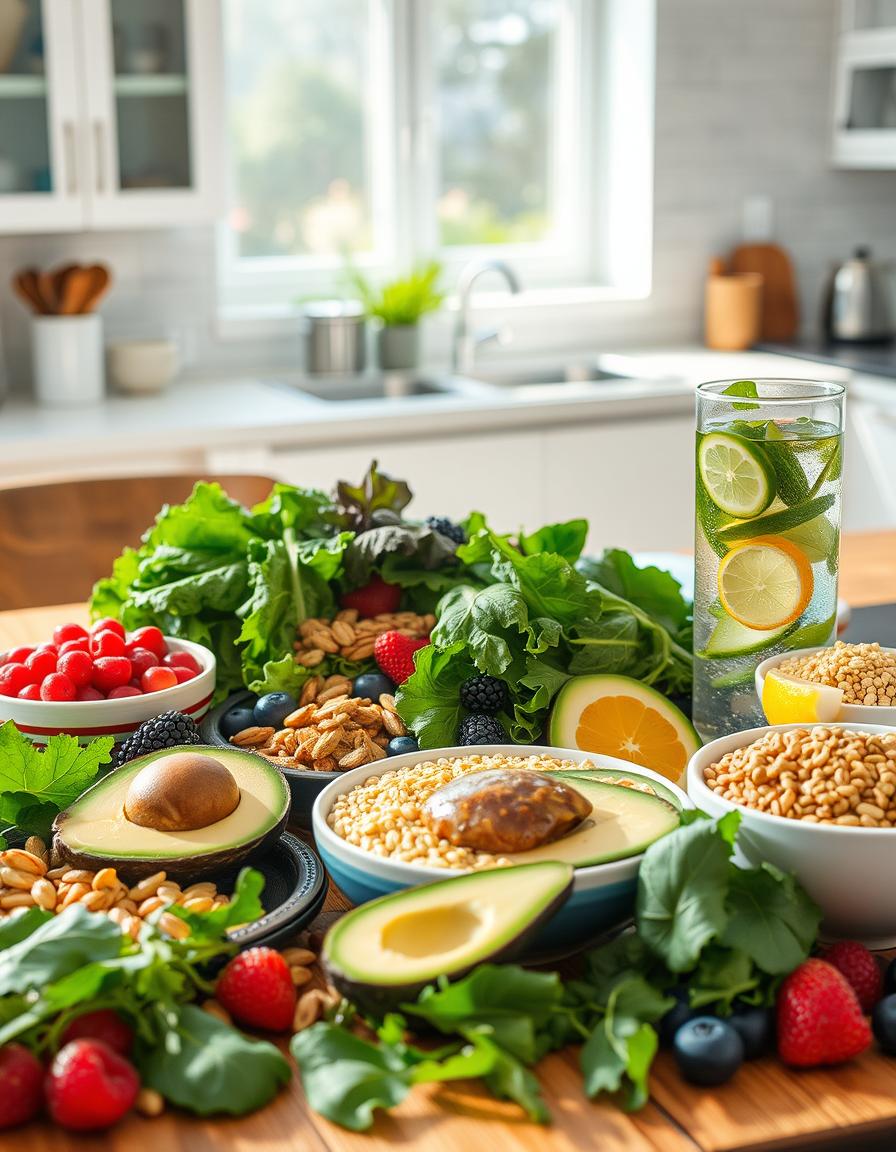
The liver is a hardworking organ that plays a key role in keeping the body healthy. It processes nutrients, filters toxins, and helps with digestion. But when too much fat builds up in the liver, it can cause a condition called fatty liver disease. The good news? Making changes to your diet can help your liver heal and work better. A fatty liver diet plan focuses on foods that support liver health, reduce fat buildup, and improve overall wellness. Let’s explore how this works and what you can eat to give your liver the care it deserves.
Understanding Fatty Liver Disease
Fatty liver disease happens when fat makes up more than 5-10% of the liver’s weight. This buildup can lead to inflammation, scarring, and sometimes more serious problems like liver failure. There are two main types:
- Non-alcoholic fatty liver disease (NAFLD): This occurs in people who drink little or no alcohol. It’s often linked to obesity, diabetes, and poor diet.
- Alcoholic fatty liver disease: Caused by heavy alcohol use, this also leads to fat accumulating in the liver.
Since the liver filters what you eat and drink, food plays a big part in either worsening or improving fatty liver disease. That’s where a fatty liver diet plan comes into play.
What Does a Fatty Liver Diet Plan Include?
Eating smart can help reduce fat in the liver and lower inflammation. A healthy diet for fatty liver focuses on real, wholesome foods packed with nutrients but low in unhealthy fats and sugar. Here’s what you should keep in mind:
Foods to Embrace
- Fruits and Vegetables: Aim for a colorful plate. These are rich in antioxidants and fiber which help your liver work better.
- Whole Grains: Brown rice, oats, and whole wheat contain fiber that aids digestion and controls blood sugar.
- Lean Proteins: Chicken breast, turkey, fish, and plant proteins like beans and lentils support liver repair.
- Healthy Fats: Avocado, nuts, seeds, and olive oil provide fats that reduce inflammation and promote healing.
Foods to Limit or Avoid
- Added Sugars and Sweets: Too much sugar increases fat buildup and blood sugar spikes.
- Fried and Processed Foods: These are high in unhealthy fats that strain your liver.
- Alcohol: Even small amounts can worsen fatty liver.
- Refined Carbs: White bread, pastries, and sugary cereals can increase fat storage in the liver.
Sample Fatty Liver Diet Plan
Here’s a simple daily meal plan that can help keep your liver happy:
| Meal | Options |
|---|---|
| Breakfast | Oatmeal topped with berries and a sprinkle of walnuts; green tea |
| Mid-Morning Snack | Carrot sticks with hummus or an apple |
| Lunch | Grilled chicken salad with mixed greens, cherry tomatoes, avocado, and olive oil dressing |
| Afternoon Snack | Handful of almonds or a small bowl of mixed fruit |
| Dinner | Baked salmon with steamed broccoli and quinoa |
Tips for Sticking to Your Fatty Liver Diet Plan
Changing eating habits can be tough, but here are some friendly tips that make the process smoother:
- Cook at Home: Preparing meals yourself lets you control ingredients and avoid hidden fats and sugars.
- Keep Healthy Snacks Handy: Avoid temptation by having nuts, fruit, or veggies ready to grab.
- Drink Plenty of Water: Staying hydrated helps your liver flush out toxins.
- Practice Portion Control: Overeating, even healthy food, can stress your liver.
- Be Patient: Your liver heals gradually, so consistency is key.
The Role of Exercise in Liver Health
Food isn’t acting alone here. Exercise supports your diet plan by helping burn fat and improve insulin sensitivity. Aim for at least 30 minutes of moderate activity most days. Walking, cycling, or even dancing counts. The combination of diet and movement creates the perfect environment for your liver to repair itself.
By the way, if you’re curious about how animals manage their diets, check out this interesting rough green snake diet guide. It’s fascinating how nature designs unique eating habits to maintain health, just like us!
Foods That Support Liver Healing
Certain foods have earned a reputation for being especially good for the liver. Including these in your fatty liver diet plan can give your liver an extra boost:
- Garlic: Contains compounds that activate liver enzymes responsible for flushing out toxins.
- Green Tea: Loaded with antioxidants that may reduce fat absorption and inflammation.
- Beets: Rich in nutrients that improve liver function and reduce oxidative stress.
- Turmeric: Its active ingredient curcumin can protect liver cells from damage.
- Walnuts: High in omega-3 fatty acids that reduce fat buildup.
What to Avoid for Better Liver Health
Just as some foods help, others can hurt. Avoiding these will give your liver a break:
- Trans Fats: Found in many processed snacks, they increase liver fat and inflammation.
- Sugary Drinks: Soda and some juices pack a lot of sugar that your liver struggles to process.
- Excessive Salt: Too much salt causes fluid retention and stress on the liver.
Listening to Your Body
Every person’s liver and body respond a bit differently. Pay attention to how you feel after meals and adjust accordingly. If you experience fatigue, bloating, or other symptoms, it might help to tweak your fatty liver diet plan. Consulting with a healthcare professional can also provide useful guidance along the way.
Conclusion
Healing your liver through diet takes time and dedication, but it’s absolutely possible. A fatty liver diet plan focused on whole foods, lean proteins, healthy fats, and limited sugar and unhealthy fats will support your liver’s recovery. Pair this with regular exercise and good hydration, and you’re on your way to better health. Remember, your liver is a tough little organ, but like any hardworking friend, it needs proper care. So treat it well, and it will treat you well in return!

Timo is the founder of LiteDietPlan.com, where smart nutrition meets simple living.