The pancreas is a hardworking organ playing a key role in digestion and blood sugar regulation. Keeping it healthy means avoiding unnecessary stress, especially through the foods we eat. For those dealing with pancreatic inflammation or aiming to prevent it, adopting the right eating habits is crucial. A proper pancreatitis diet plan can help soothe the pancreas, reduce discomfort, and promote healing over time.
Understanding the Pancreas and Its Importance
The pancreas produces enzymes that break down fats, proteins, and carbohydrates in our food. It also releases insulin and glucagon, hormones that keep blood sugar balanced. When the pancreas gets inflamed, a condition called pancreatitis, these functions can be compromised, leading to pain and digestive troubles.
Because the pancreas is sensitive to certain fats and toxins, what you eat has a direct impact on how well it works. A diet that supports pancreas health focuses on gentle, nutrient-rich foods that reduce inflammation and help the organ recover.
What Is a Pancreatitis Diet Plan?
A pancreatitis diet plan is a way of eating that minimizes irritation and inflammation of the pancreas. This plan emphasizes foods that are easy to digest, low in unhealthy fats, and rich in vitamins and minerals necessary for tissue repair.
It’s not about strict restrictions but about making smart choices to give the pancreas the best chance to heal. Here are the fundamentals:
- Low-fat foods: Because fat stimulates the pancreas to work harder, reducing fat intake helps ease its workload.
- Frequent small meals: Eating smaller amounts more often prevents overwhelming the digestive system.
- Hydration: Drinking plenty of water supports digestion and prevents complications.
- Avoiding irritants: Alcohol, caffeine, and spicy foods can worsen inflammation.
Foods to Focus On
| Food Group | Examples | Benefits for the Pancreas |
|---|---|---|
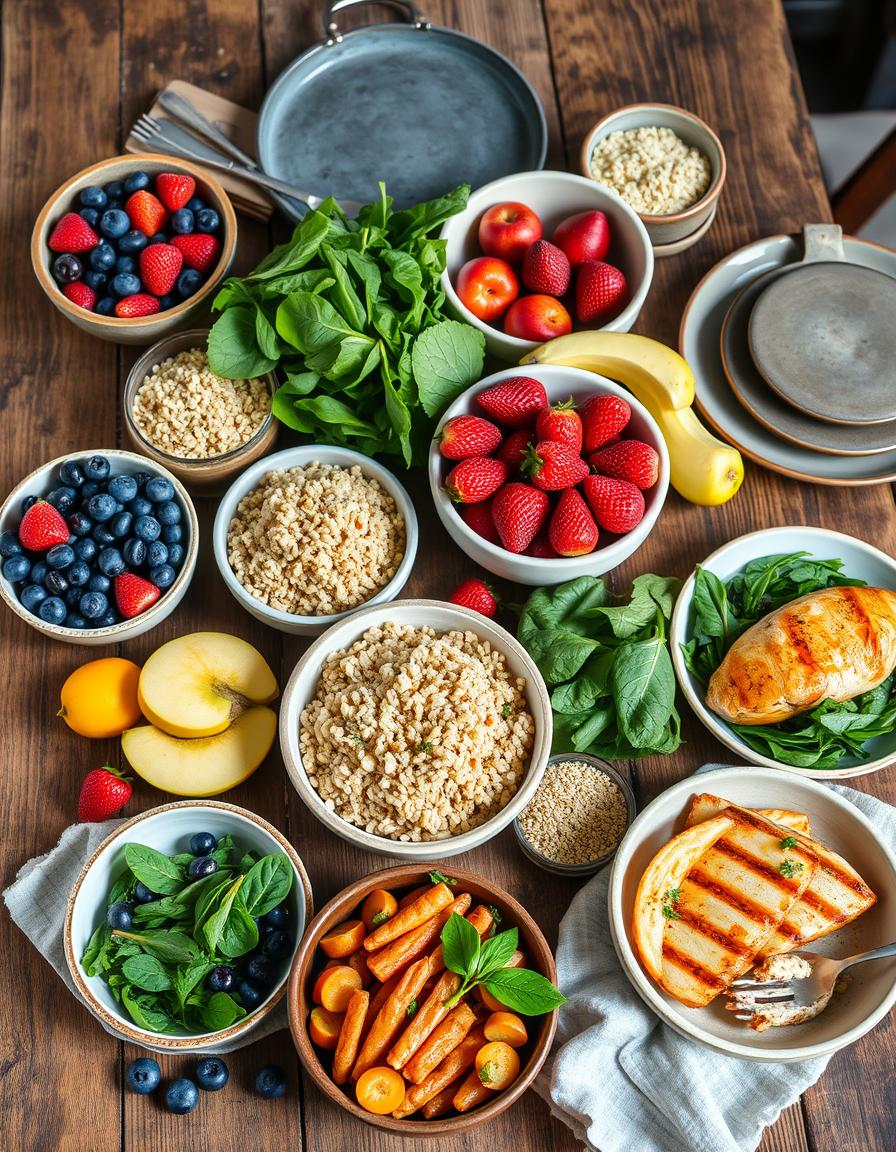
| Lean Proteins | Chicken breast, turkey, fish, egg whites | Supports tissue repair with minimal fat content |
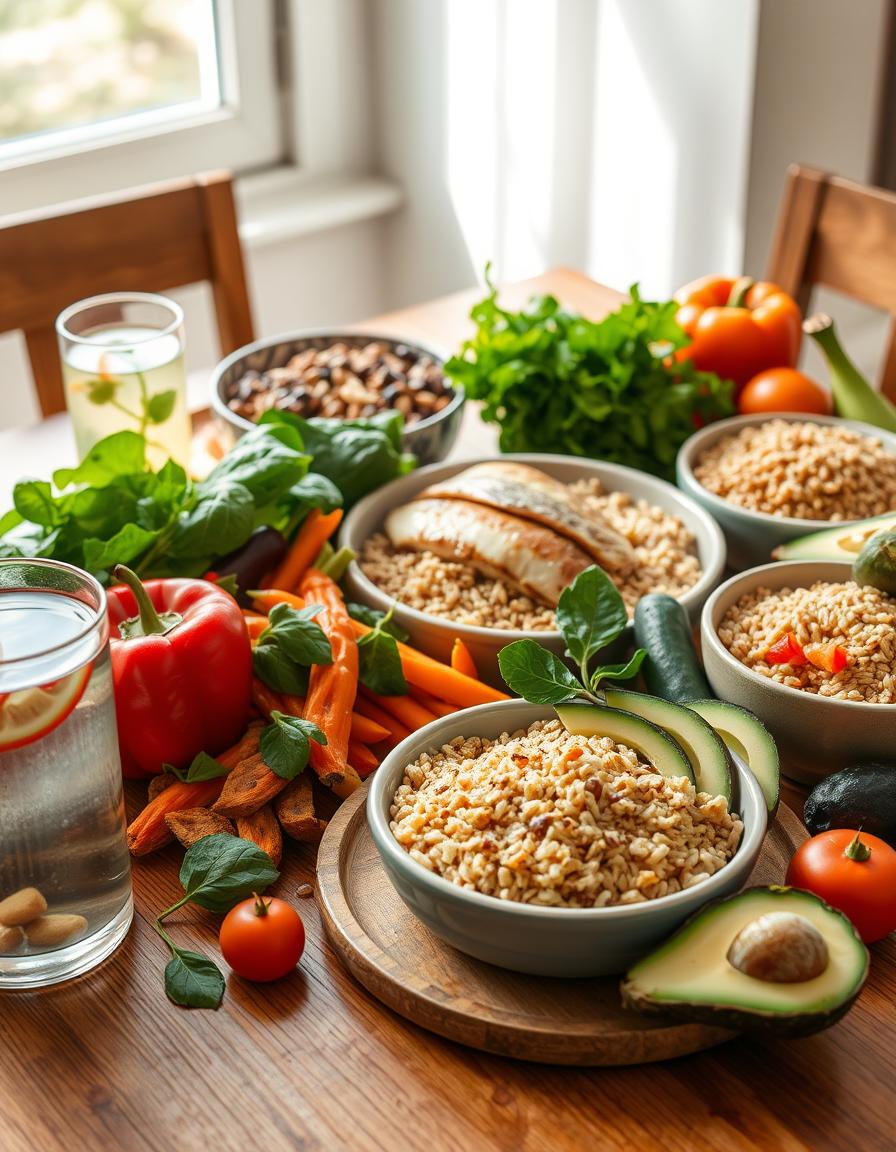
| Fruits and Vegetables | Apples, berries, spinach, carrots, zucchini | Rich in antioxidants and vitamins that help reduce inflammation |
| Whole Grains | Brown rice, oats, quinoa, whole wheat bread | Provides fiber to aid digestion and maintain steady blood sugar |
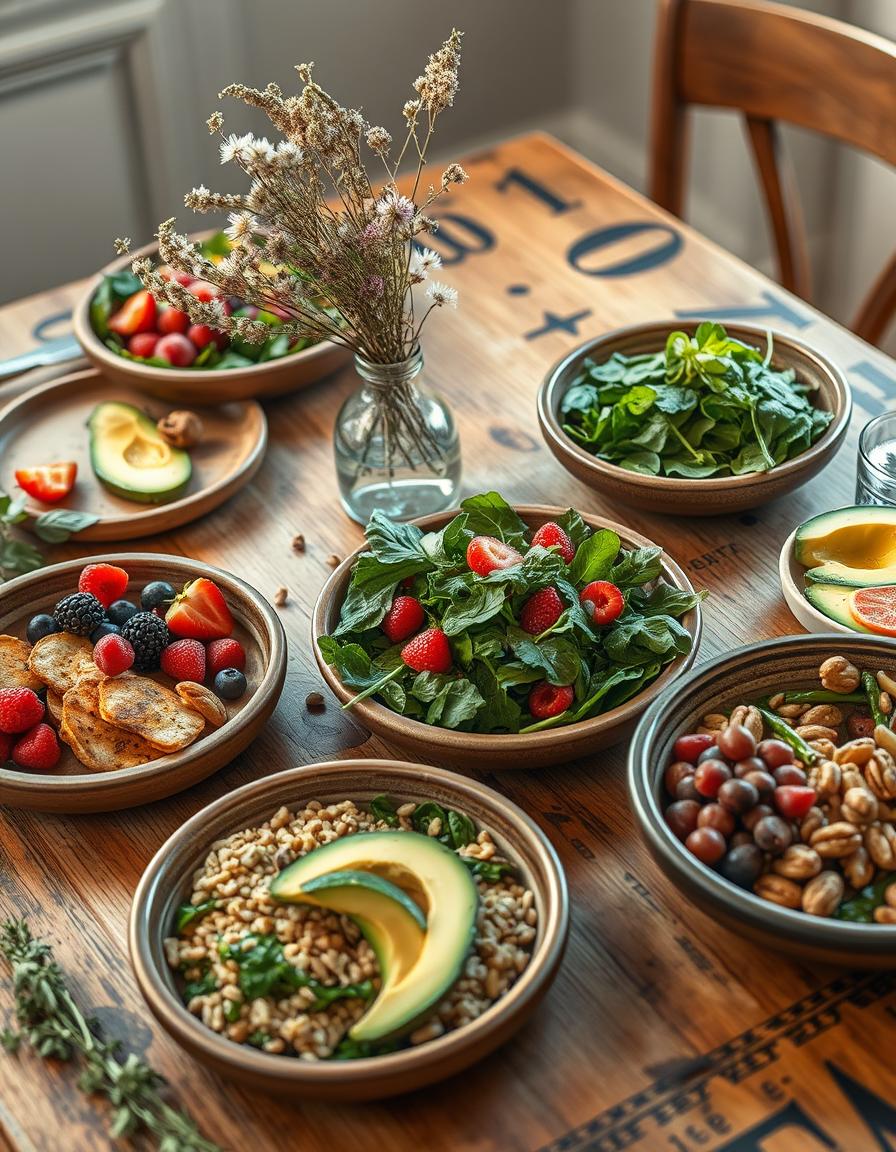
| Healthy Fats | Avocado, olive oil, nuts (in moderation) | Supports cell health without overloading the pancreas |
Foods to Avoid
- Fried and greasy foods — they make the pancreas work overtime
- High-fat dairy products such as full-fat cheese and cream
- Processed meats like sausages and bacon
- Alcohol and caffeinated beverages
- Highly sugary snacks and desserts
- Spicy and highly seasoned foods that may irritate digestive tissues
Sample Daily Pancreatitis Diet Plan
Here’s an easy example to inspire healthier eating habits that support pancreas health:
| Meal | Foods |
|---|---|
| Breakfast | Oatmeal with fresh blueberries and a small handful of almonds |
| Snack | 1 cup egg whites nutrition (learn more) and banana |
| Lunch | Grilled chicken breast with steamed broccoli and brown rice |
| Snack | Carrot sticks with hummus |
| Dinner | Baked salmon with quinoa and roasted zucchini |
Tips to Keep Your Pancreas Happy
Changing the way you eat can feel like a big adjustment. Here are some friendly tips to make it easier and more enjoyable:
- Cook at home: Preparing your meals means you control the ingredients and avoid hidden fats.
- Stay hydrated: Water is your best friend, so sip on it throughout the day.
- Listen to your body: If certain foods cause discomfort, note them and avoid for a while.
- Keep portion sizes moderate: Overeating puts stress on digestion and the pancreas.
- Snack smart: Choose snacks that nourish—like fresh fruit or a handful of walnuts—instead of chips or sweets.
Incorporate Gentle Exercise
While diet is essential, gentle exercise can also support pancreas health. Activities like walking or swimming can improve digestion and blood sugar control. Just be sure to avoid overly strenuous workouts that might be too taxing if you’re recovering from pancreatitis.
Signs Your Pancreas Might Need Extra Care
If you experience constant abdominal pain, nausea, vomiting, or noticeable weight loss, these may be signs of pancreatic irritation. In such cases, following the pancreatitis diet plan more strictly and consulting a healthcare professional is important. Early care can prevent further damage and complications.
Conclusion
Supporting pancreas health with the right diet is a simple yet powerful way to keep this vital organ functioning smoothly. A pancreatitis diet plan, rich in lean proteins, fruits, vegetables, and whole grains, while low in unhealthy fats and irritants, gives your pancreas a break and helps it heal.
Remember, food is medicine—what you choose to eat can either fuel recovery or add to the struggle. By making thoughtful food choices, staying hydrated, and listening to your body, you can maintain pancreas health and enjoy a happier, healthier digestive system.

Timo is the founder of LiteDietPlan.com, where smart nutrition meets simple living.