
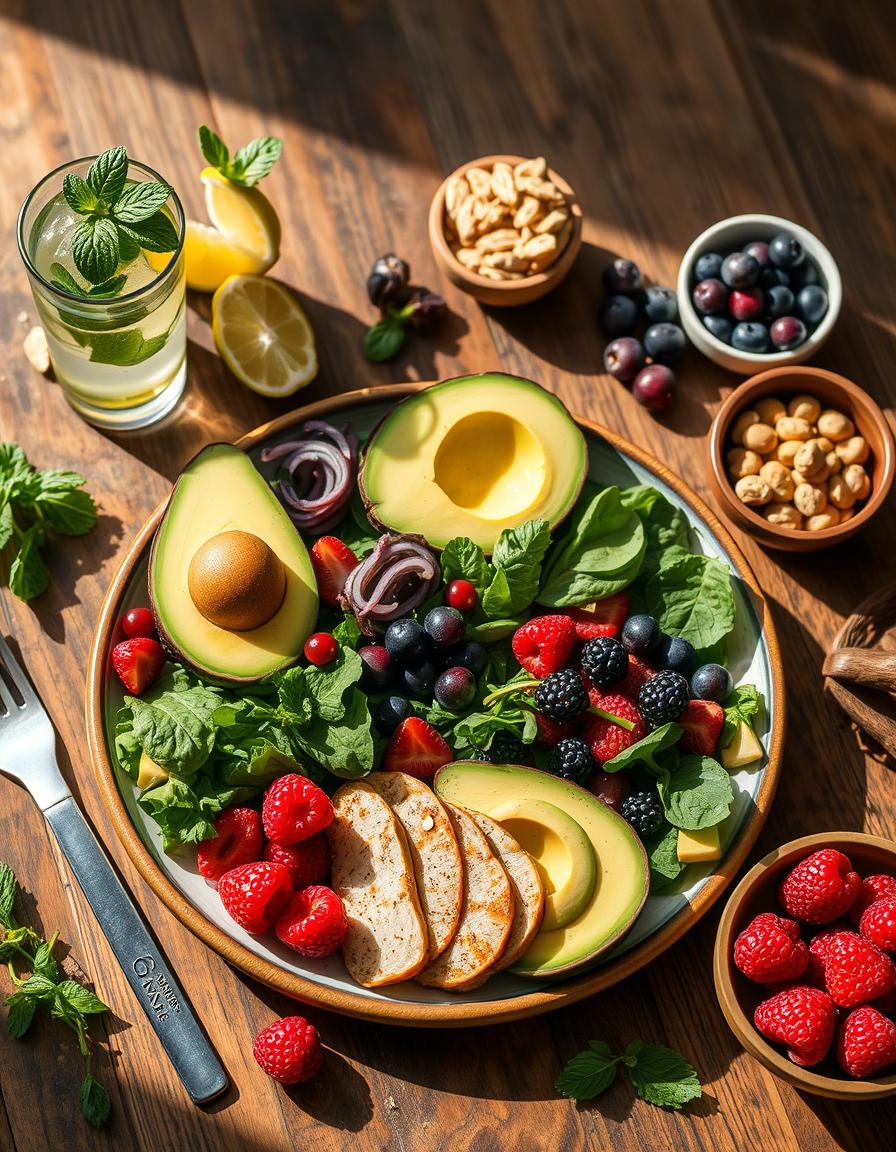
Liver cirrhosis is a serious condition where healthy liver tissue is gradually replaced by scar tissue, which can affect the liver’s ability to function. While medical treatment plays a key role, what you eat can have a huge impact on managing symptoms and slowing the disease’s progress. A good diet plan for liver cirrhosis helps support liver health, boosts energy, and reduces complications. Eating right doesn’t have to be boring or bland—it can be tasty and satisfying too.
Understanding Liver Cirrhosis and Nutrition
The liver is like a filter and factory combined—it processes nutrients, removes toxins, and helps the body fight infections. When cirrhosis develops, scar tissue slows down these tasks. Because the liver is less efficient, the body needs special care through nutrition. A proper diet plan for liver cirrhosis aims to support liver function, prevent malnutrition, and reduce fluid buildup in the abdomen.
It’s common for people with cirrhosis to lose weight or feel weak because their bodies can’t use nutrients well. That’s why eating enough calories and protein is important. However, too much salt or fat can cause fluid retention or worsen liver damage, so balance matters.
Key Elements of a Diet Plan for Liver Cirrhosis
1. Balanced Protein Intake
Protein helps repair body tissues and supports immune function. But with cirrhosis, some people worry about eating too much protein because it can cause confusion or other problems. The secret is moderate amounts from good sources like lean meats, fish, eggs, and dairy. Plant proteins such as beans and lentils are also excellent choices and can reduce strain on the liver.
- Choose lean cuts of meat such as chicken and turkey.
- Include fish, which also provides healthy omega-3 fats.
- Incorporate eggs and low-fat dairy products.
- Try plant-based proteins to add variety.
2. Limit Sodium to Control Fluid Buildup
Salt causes the body to retain water, which can lead to swelling (edema) and fluid in the abdomen (ascites). Reducing sodium is one of the most important parts of a diet plan for liver cirrhosis. Instead of salt, use herbs, spices, lemon juice, or vinegar to add flavor.
Try to keep sodium intake under 2,000 mg per day. Avoid processed foods like canned soups, salty snacks, and ready meals because they often have hidden salt.
3. Healthy Carbohydrates for Energy
Carbs are the body’s main energy source. Whole grains such as brown rice, oats, and whole wheat bread provide energy along with fiber, which supports digestion. Avoid refined carbs like white bread and sugary treats that cause spikes and crashes in blood sugar, which can be hard on your liver.
4. Limit Fat, Especially Saturated and Trans Fats
Fat should be eaten in moderation because the liver processes it. Healthy fats from sources like olive oil, nuts, and avocados are good choices. Try to avoid fried foods, fatty cuts of meat, and full-fat dairy, as they can worsen liver problems.
5. Stay Hydrated
Water helps flush toxins from the body. Drinking plenty of fluids is important unless your doctor advises otherwise due to fluid buildup. Avoid alcohol completely—it damages liver cells and worsens cirrhosis.
Foods to Embrace and Foods to Avoid
| Foods to Include | Foods to Avoid |
|---|---|
|
|
Sample Diet Plan for Liver Cirrhosis
Here is an example of a simple day eating plan that fits the needs of someone with liver cirrhosis:
| Meal | Food Ideas |
|---|---|
| Breakfast | Oatmeal topped with fresh berries and a spoonful of smoked salmon greek yogurt, plus a glass of water or herbal tea. |
| Snack | Apple slices with a handful of unsalted almonds. |
| Lunch | Grilled chicken breast, quinoa salad with cucumbers, tomatoes, and olive oil dressing. |
| Snack | Low-fat yogurt with a sprinkle of chia seeds. |
| Dinner | Baked fish with steamed broccoli and sweet potato. |
Additional Tips for Managing Liver Cirrhosis with Diet
- Eat smaller, frequent meals: This helps maintain energy and prevents nausea.
- Avoid alcohol completely: Even small amounts can worsen liver damage.
- Work with a dietitian: They can help create a practical diet plan for liver cirrhosis that suits your needs.
- Watch for signs of malnutrition: If you notice weight loss or muscle weakness, consult your healthcare provider.
Remember, while diet plays a crucial role, it works best when combined with regular medical care and lifestyle changes. A positive attitude helps too—sometimes humor and a good meal make the toughest days easier.
Conclusion
Supporting liver cirrhosis through diet means choosing foods that help the liver perform better and prevent complications. A diet plan for liver cirrhosis focuses on moderate protein, low sodium, healthy fats, and plenty of fresh produce. Avoiding alcohol and processed foods gives the liver fewer obstacles to deal with. With small changes and the right guidance, managing cirrhosis becomes less overwhelming and more manageable.
Ultimately, feeding your liver well is like giving your body a helping hand in a tough situation. With patience and a bit of creativity in the kitchen, your diet can become a unique tool in staying healthier and feeling better every day.

Timo is the founder of LiteDietPlan.com, where smart nutrition meets simple living.