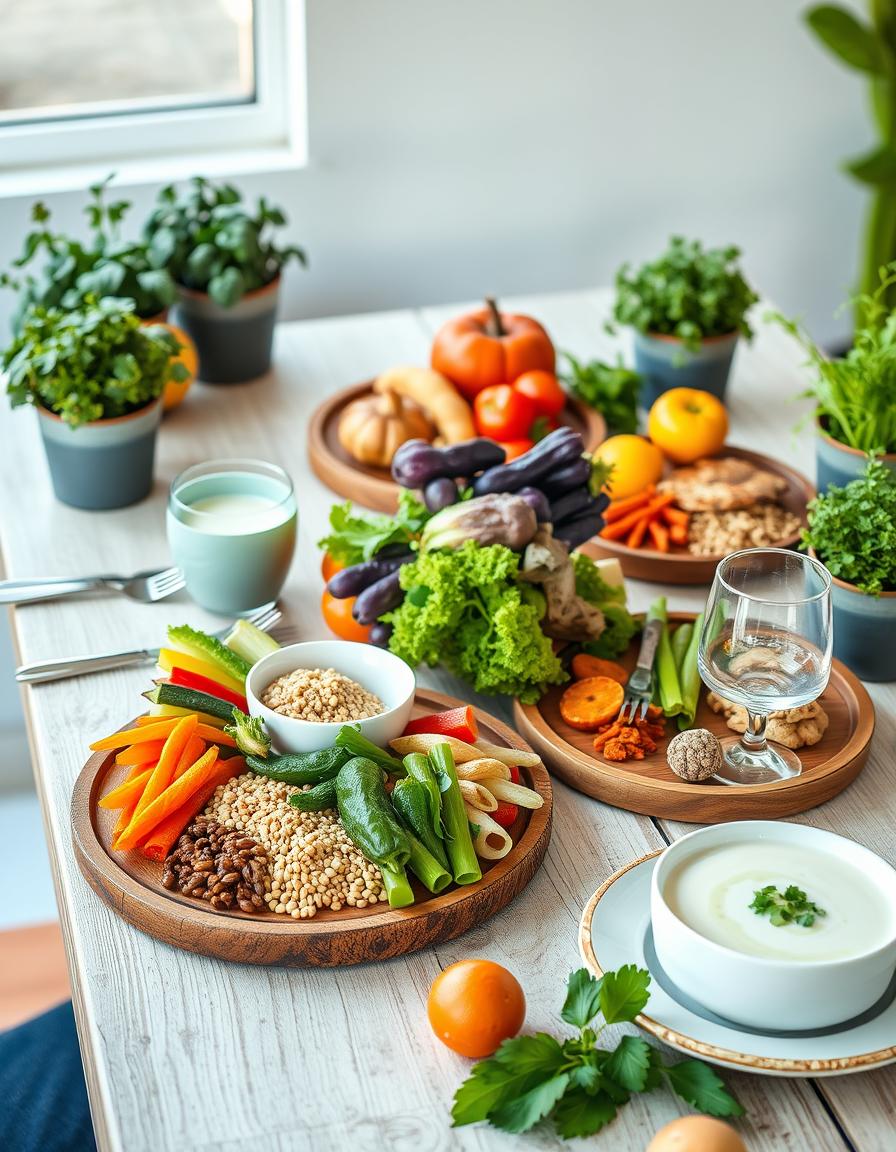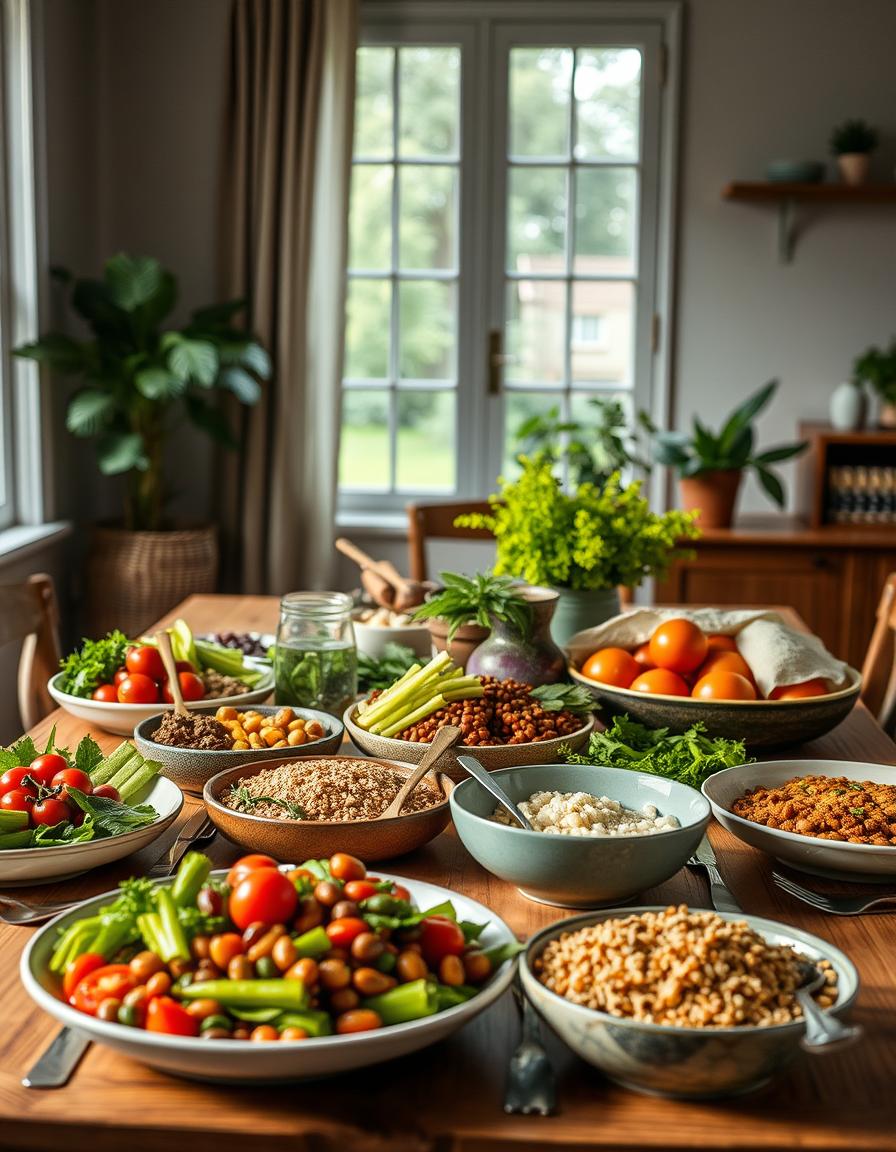
Gastritis can cause a real headache, or rather, a stomachache! This uncomfortable inflammation of the stomach lining can make eating feel like a challenge. However, a gentle dietary approach can soothe symptoms and help the stomach heal. Crafting a thoughtful gastric diet meal plan for gastritis is a smart way to keep discomfort at bay while still enjoying your meals.
Understanding Gastritis and Its Dietary Needs
Gastritis happens when the stomach lining becomes irritated or inflamed. This can be triggered by stress, infection, alcohol, spicy foods, or certain medications. Symptoms often include stomach pain, bloating, nausea, and indigestion.
Food plays a very important role in managing symptoms. That’s why choosing what to eat carefully is key. A gastric diet meal plan for gastritis focuses on soft, easy-to-digest foods that don’t provoke stomach acids or irritate the lining. It’s about calming the stomach rather than fueling the fire.
What to Avoid When You Have Gastritis
Some foods act like troublemakers for an inflamed stomach lining. Steering clear of these can make a huge difference.
- Spicy and acidic foods: Chili peppers, citrus fruits, and tomatoes can trigger irritation.
- Caffeine and alcohol: Both can increase stomach acid and worsen inflammation.
- Fried and greasy foods: They tend to be heavy and tough to digest.
- Carbonated drinks: Bubbles might cause bloating and discomfort.
- Highly processed foods: These often lack fiber and can upset digestion.
Foods That Soothe and Heal
On the flip side, some foods work like gentle rain on a parched garden. They help soothe the stomach lining and support healing.
- Non-citrus fruits: Bananas, apples (peeled), and pears are calming.
- Cooked vegetables: Carrots, zucchini, and spinach become easy to digest when cooked.
- Lean proteins: Chicken, turkey, and fish are great choices.
- Whole grains: Oatmeal and brown rice provide fiber without upsetting the stomach.
- Probiotic foods: Yogurt with live cultures can support gut health.
Building Your Gastric Diet Meal Plan for Gastritis
It’s helpful to map out meals that not only comfort your stomach but are also satisfying. Here’s a sample daily plan to get you started on a gentle path.
| Meal | Foods to Include | Tips |
|---|---|---|
| Breakfast | Oatmeal with peeled apples or banana, herbal tea | Cook oats well; avoid adding sugar or spices |
| Snack | Low-fat yogurt or a low calorie fruit smoothie | Choose unsweetened options to avoid irritation |
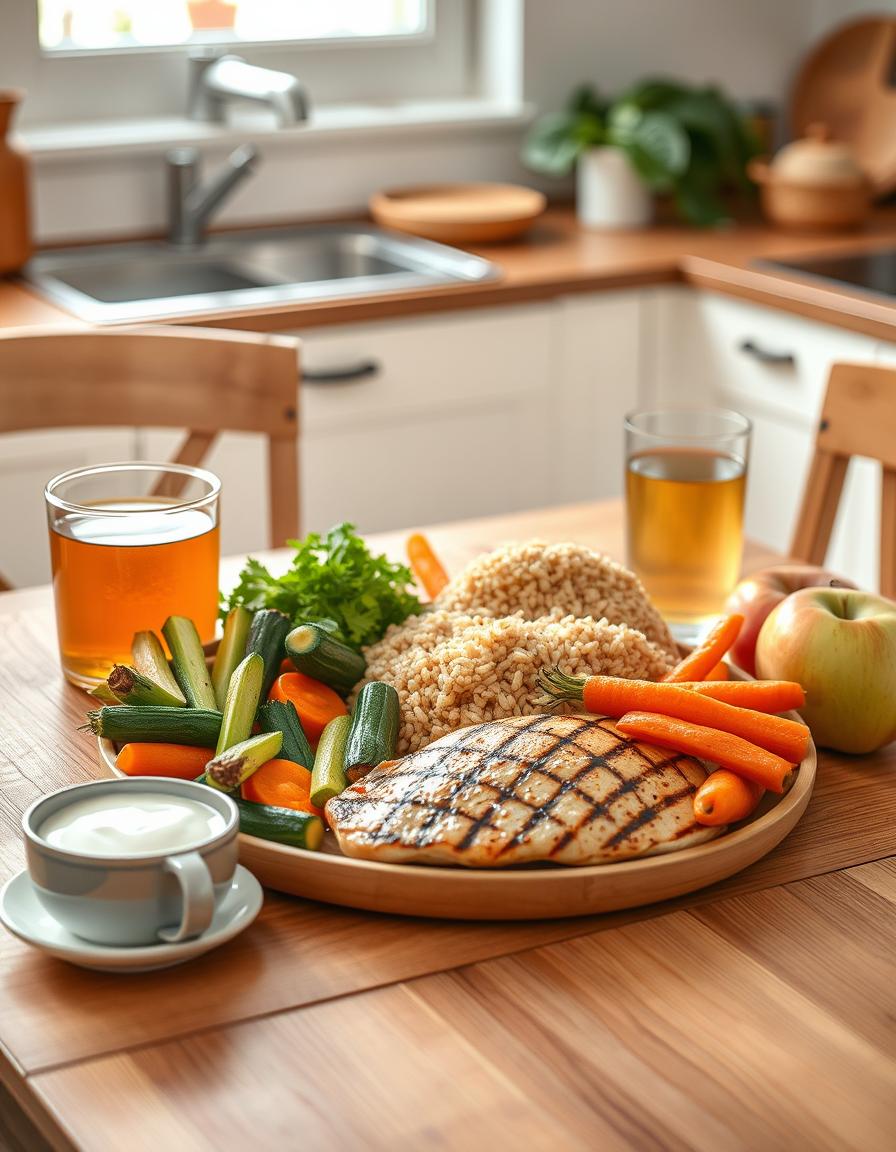
| Lunch | Grilled chicken breast, steamed carrots, and brown rice | Season lightly, with herbs like parsley or basil |
| Snack | Banana or pear slices | Eat fresh and peeled if possible |
| Dinner | Baked fish, steamed zucchini, mashed potatoes (no butter) | Use olive oil sparingly if needed |
Portion Control and Meal Timing
Eating smaller, more frequent meals can prevent the stomach from becoming too full or too empty—both of which might cause discomfort. Aim for five to six small meals daily instead of three large ones. This practice helps maintain gentle digestion and keeps acid production steady.
Hydration That Heals
Water is your best friend during gastritis flare-ups. Sip throughout the day to keep the stomach lining moist and help flush irritants away. Avoid gulping large amounts at once, as this can cause bloating. Herbal teas like chamomile or ginger can also calm the stomach, but avoid peppermint if it seems to worsen symptoms.
Tips for Sticking to Your Gastric Diet Meal Plan for Gastritis
Changing eating habits can be a bit like learning to ride a bike — wobbly at first but smoother with practice. Here are some friendly tips to help you stay on track:
- Plan ahead: Preparing meals in advance reduces the temptation to grab irritating snacks.
- Keep a food diary: Note what you eat and how your stomach reacts. This helps identify personal triggers.
- Cook gently: Steaming, boiling, and baking are kinder to your stomach than frying.
- Be patient: Healing takes time, so give your stomach a chance to adjust.
When to See a Doctor
If symptoms are persistent or severe, it’s important to consult a healthcare provider. Sometimes gastritis requires medication or further tests. Also, sudden intense pain, black stools, or vomiting blood are signs to seek urgent care.
Conclusion
Managing gastritis through a gentle gastric diet meal plan for gastritis can bring much-needed relief. By avoiding irritants and focusing on soft, soothing foods, your stomach gets the break it needs to heal. Remember, small changes can lead to big improvements. And if you want a tasty and stomach-friendly way to boost your nutrient intake, try a low calorie fruit smoothie as a refreshing snack. With kindness to your tummy and some smart food choices, you can enjoy meals again without the ouch.

Timo is the founder of LiteDietPlan.com, where smart nutrition meets simple living.