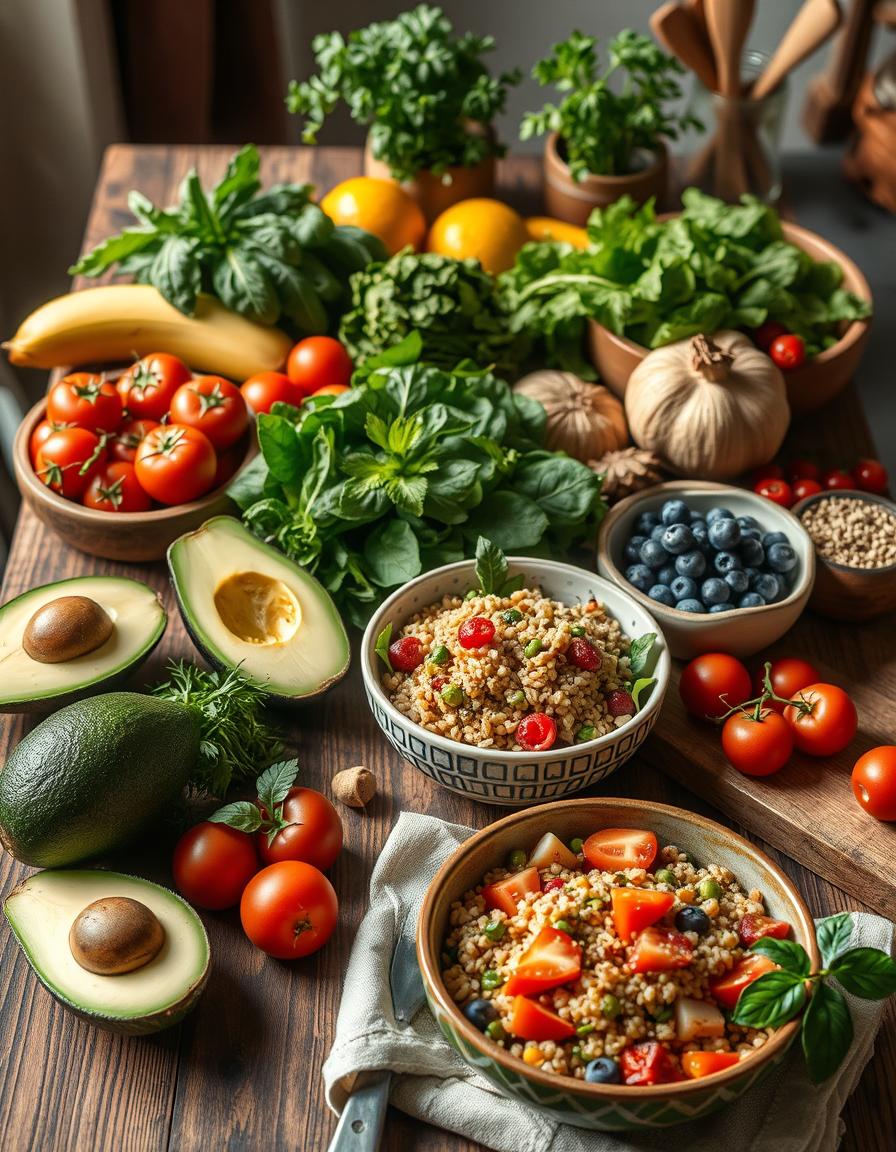
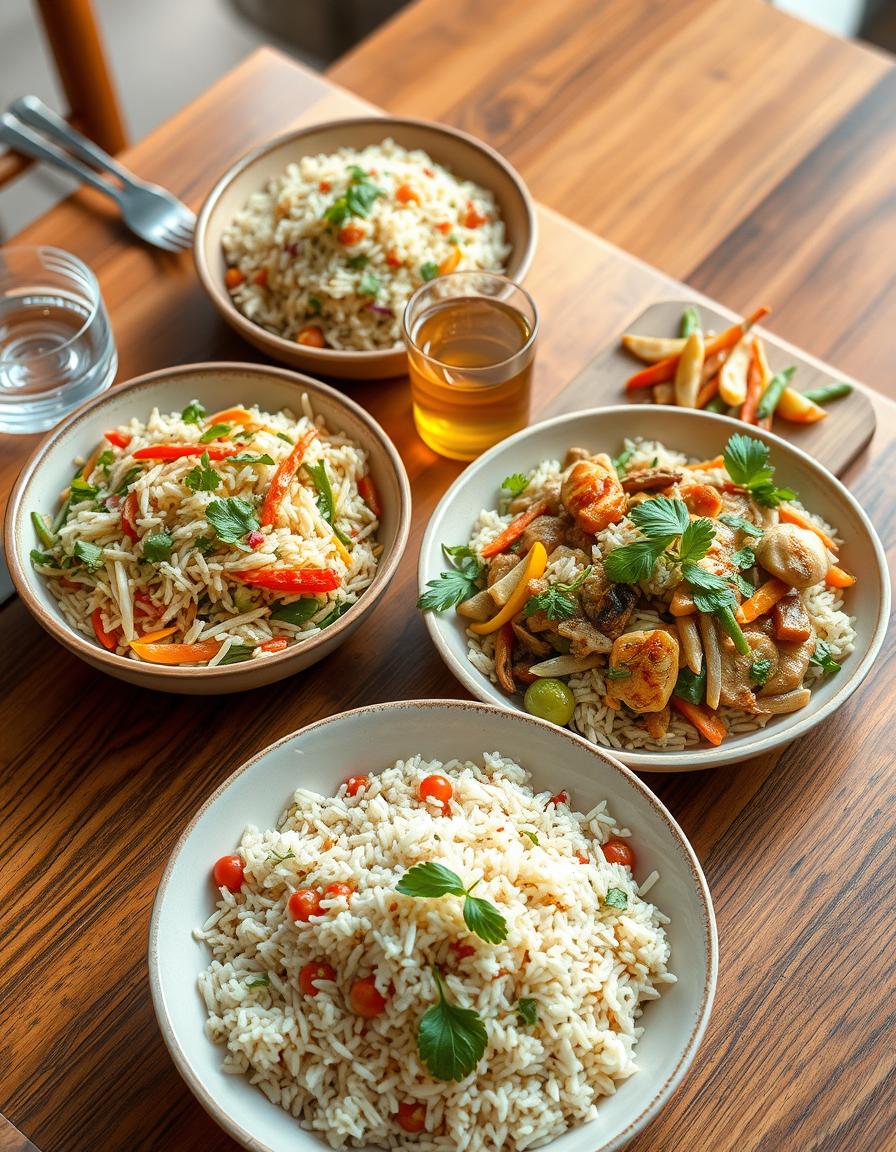
The rice diet has been a popular choice for people looking to lose weight, manage blood pressure, and improve overall health for decades. Its simplicity is part of its charm—offering a comforting, low-fat, low-sodium eating plan that can be surprisingly satisfying. If you’re wondering how to get started or what to eat, understanding the rice diet plan menu can help you embrace this lifestyle with ease and confidence.
What Is the Rice Diet?
The rice diet originally emerged in the 1930s as a treatment for kidney disease and high blood pressure. Over time, it became popular as a weight loss method because of its focus on low-fat, high-fiber foods, especially rice, fruits, and vegetables. Unlike complicated fad diets, the rice diet plan menu emphasizes wholesome, natural foods that support your body without overwhelming it.
Think of it as a reset for your body. By cutting down on fats, sodium, and processed foods, the rice diet helps lower blood pressure and improves kidney function. Plus, it gives your digestive system a break with easily digestible meals.
Core Principles of the Rice Diet Plan Menu
Focus on Low-Fat and Low-Sodium Foods
The rice diet plan menu sticks to foods that are very low in fat and sodium. This helps reduce blood pressure and eases the strain on the kidneys. Avoiding salt and fatty ingredients means meals can taste mild but still be satisfying when paired right.
Emphasis on Plant-Based Ingredients
The majority of foods on this diet come from plants—especially rice, fruits, and vegetables. These foods provide fiber, vitamins, and minerals without added calories from unhealthy fats. Beans and legumes may be included sparingly for added protein.
Simple, Easily Digestible Meals
Meals tend to be straightforward with minimal seasoning to ensure they’re gentle on your stomach. If you need a creamy drink to enjoy, consider switching to oat milk without seed oils, which pairs well with the diet’s gentle philosophy.
Sample Rice Diet Plan Menu for a Day
| Meal | Food Items | Notes |
|---|---|---|
| Breakfast | 1 cup cooked white rice, steamed apples with cinnamon | Light and filling, with natural sweetness |
| Snack | Fresh berries or an orange | Vitamin-rich and hydrating |
| Lunch | Brown rice, steamed green beans, carrots, and a small portion of lentils | Balanced carbs and protein |
| Snack | Sliced cucumber with lemon juice | Refreshing and low-calorie |
| Dinner | White rice, steamed kale, and baked sweet potato | Fiber-rich and comforting |
| Dessert | Fresh peach slices or pear | Natural sweet treat |
Tips for Sticking to the Rice Diet Plan Menu
- Prepare meals ahead: Cooking rice and veggies in batches helps when hunger strikes.
- Use herbs and spices sparingly: While salt is a no-go, herbs like basil and parsley can brighten up your food without extra sodium.
- Keep hydrated: Drinking plenty of water throughout the day supports digestion and flushes out toxins.
- Listen to your body: This diet is gentle, but if you feel low on energy, small adjustments like including a bit more legumes might help.
- Be patient: Results take time, but the simplicity and health benefits are worth it.
Common Foods to Include on the Rice Diet Plan Menu
Not sure what to stock in the pantry? Here’s a shortlist of go-to ingredients:
- White rice (easy to digest) and brown rice (more fiber)
- Fresh fruits like apples, pears, peaches, and berries
- Vegetables such as green beans, carrots, kale, cucumbers, and sweet potatoes
- Legumes (lentils, peas) in small portions
- Herbs and spices like cinnamon, basil, and parsley
- Fluids like water, herbal teas, and oat milk without seed oils for creaminess
What to Avoid
Since the rice diet focuses on health and cleansing, some foods are definitely off the menu. This includes:
- Salt and salty foods
- Fried or greasy meals
- Meats and dairy products with high fat
- Processed snacks and sugary treats
- Oils, especially seed oils and butter
How Long Should You Follow the Rice Diet?
Many people follow the rice diet plan menu for a short period—usually two to four weeks—to reset eating habits, lose weight, or manage blood pressure. Some do extend it longer, but it’s wise to consult a healthcare professional if you plan to make it a long-term lifestyle. Remember, balancing good nutrition with enjoyment is key.
Benefits Beyond Weight Loss
While weight loss is often the main attraction, the rice diet offers other perks. People report improved energy, better digestion, and lower blood pressure after sticking to the plan. The high fiber and low sodium combo ease the workload on kidneys and heart. Plus, the simplicity can feel like a breath of fresh air compared to confusing diet fads.
Conclusion
The rice diet plan menu is a straightforward, wholesome way to improve health through eating simple, natural foods. Its low-fat, low-sodium approach supports weight loss and heart health without sacrificing taste or satisfaction. By focusing on rice, fruits, and vegetables, you give your body a gentle reset that can lead to lasting benefits. Plus, with tips like adding flavorful herbs and trying oat milk without seed oils, you can keep meals both nourishing and enjoyable. Whether you want to shed a few pounds or give your system a break, the rice diet offers an inviting path that’s easy to follow and kind to your body.

Timo is the founder of LiteDietPlan.com, where smart nutrition meets simple living.