
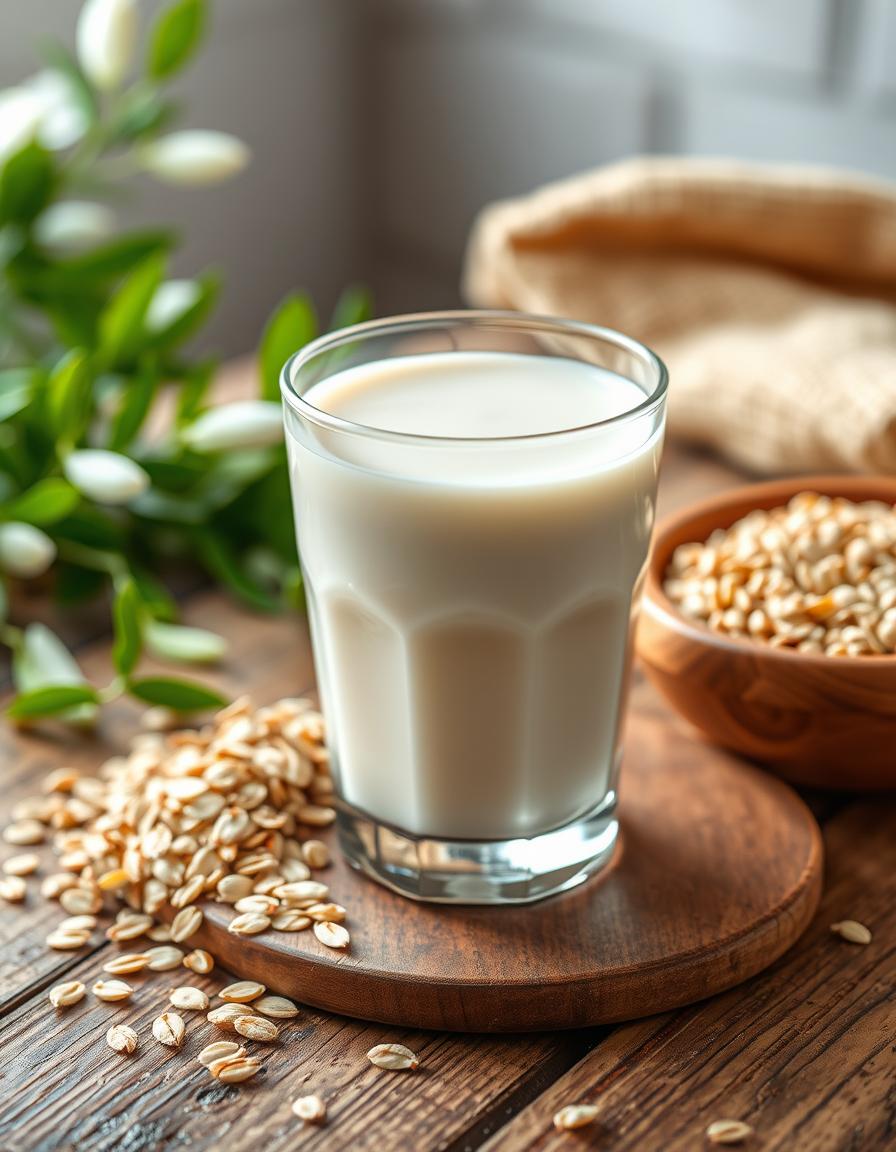
Oat milk has quickly become a favorite for many looking for a creamy, plant-based milk alternative. Its naturally sweet and smooth taste makes it perfect for coffee, cereal, or just a refreshing glass on its own. However, as oat milk gains popularity, some brands add seed oils like sunflower or canola oil, which might not appeal to everyone aiming to keep their diet clean and simple. That’s where oat milk without seed oils shines, offering a pure and creamy option without unnecessary additives.
Why Choose Oat Milk Without Seed Oils?
Seed oils are commonly added to commercial oat milks to improve texture and shelf life. While these oils aren’t harmful in moderation, some people prefer to avoid them due to concerns about processing and omega fatty acid balance. Oat milk without seed oils is free from these added fats, creating a cleaner, more natural product. This makes it a great choice for those who want a simpler ingredient list and a purer taste.
Plus, choosing oat milk without seed oils often means you get a product that highlights the oat’s natural creaminess and flavor better. You can enjoy that mild sweetness and silky texture without the extra oiliness some find off-putting. Many people report that these oat milks feel lighter on the stomach and pair better with foods and beverages.
How Is Clean and Creamy Oat Milk Made?
Creating oat milk without seed oils takes a few extra steps but results in a product that feels fresh and light. The basic process involves soaking oats, blending them with water, and then straining the mixture to remove solids. Without seed oils, manufacturers rely on the natural starches and fibers in oats to create creaminess.
The Role of Enzymes and Blending Technique
Some producers use enzymes to break down oat starches into sugars. This enhances the natural sweetness and creaminess without adding anything extra. The blending method also matters: blending less aggressively can prevent excess foam or bitterness, leading to that smooth, homely texture lovers look for.
Minimal Ingredients for Maximum Taste
The ingredient list might simply include oats, water, a pinch of salt, and sometimes a bit of natural stabilizer like gellan gum to keep everything well mixed. Avoiding seed oils means the taste stays light, without that oily aftertaste some might notice. It’s a more transparent way to enjoy oat milk.
Benefits of Oat Milk Without Seed Oils
- Cleaner Nutrition: Fewer processed oils mean fewer unnecessary fats in your diet.
- Allergy-Friendly: Free from common seed oils that some people may react to.
- Better Taste: The natural oat flavor shines through without interference.
- Lighter Texture: Often easier to digest and gentler on the stomach.
- Simple Ingredients: You can verify exactly what you’re drinking.
Comparison Table: Oat Milk With vs Without Seed Oils
| Feature | Oat Milk With Seed Oils | Oat Milk Without Seed Oils |
|---|---|---|
| Ingredient Complexity | Higher, includes oils and stabilizers | Lower, mainly oats and water |
| Texture | Thicker, creamier but sometimes oily | Light, creamy, and smooth |
| Taste | Sometimes oily or greasy aftertaste | Pure oat flavor, naturally sweet |
| Digestibility | May feel heavier for some | Easier on digestion for many |
| Processing | Contains processed seed oils | Minimal processing, no added oils |
How to Make Your Own Oat Milk Without Seed Oils at Home
Making oat milk without seed oils in your own kitchen is easier than you might think. The process is quick, inexpensive, and lets you control exactly what goes into your milk. Here’s a simple recipe:
Ingredients:
- 1 cup rolled oats
- 4 cups filtered water
- Pinch of salt (optional)
- 1 teaspoon vanilla extract or sweetener (optional)
Instructions:
- Rinse the oats under cold water to remove excess starch, which can make milk slimy.
- Combine oats and water in a blender and blend on high for about 30 seconds.
- Strain the mixture through a fine mesh sieve or nut milk bag into a bowl.
- Add salt or vanilla if desired and stir well.
- Store in the fridge for up to 4 days and shake before use.
The end result is a clean, creamy oat milk without seed oils that you can enjoy in coffee, smoothies, or wherever you’d use store-bought options. It’s a fun way to experiment and find your favorite flavor balance.
Is Oat Milk Without Seed Oils Better for You?
When you pick an oat milk without seed oils, you’re choosing fewer additives. This can be better for your health if you’re watching fat intake or prefer less processed foods. Seed oils often contain higher amounts of omega-6 fatty acids, which can be inflammatory if consumed excessively. By avoiding them, you may help your body maintain a healthier balance.
That said, oat milk without seed oils isn’t a magic bullet. It’s still important to look at the overall nutrition label, especially if you’re monitoring sugar, calories, or protein levels. What you replace seed oils with makes a difference too — some oat milks add sugar or thickeners that you might want to check.
Where to Find Oat Milk Without Seed Oils
More brands are responding to consumer demand by offering oat milk without seed oils. Look for labels that explicitly state “no added oils” or check the ingredient list yourself. Health food stores and online shops often carry such options, sometimes under labels like “clean label” or “minimal ingredients.”
Shopping tip: Always compare the ingredient list and nutrition to ensure you’re getting the oat milk without seed oils. Many popular brands add oils, so a closer look helps ensure you pick the right product for your needs.
And by the way, if you enjoy pairing your oat milk with pastries, check out this handy egg tart nutrition guide to stay informed about calories, carbs, and fats in your favorite treats.
Tips for Enjoying Oat Milk Without Seed Oils
- Shake Well: Oat milk without seed oils can separate naturally. Give it a good shake before pouring.
- Use Fresh: Because it lacks preservatives, consume it within a few days for the best taste.
- Warm Slowly: When adding to hot drinks, warm gently to avoid curdling or thickening.
- Creative Uses: Use it in baking, soups, or homemade sauces for a subtle creamy touch.
Conclusion
Oat milk without seed oils is a simple, delicious way to enjoy plant-based milk with fewer ingredients and a smoother, lighter texture. Whether you buy it ready-made or whip it up at home, it lets you savor the natural sweetness and creaminess of oats without the added fats from seed oils. For those who want a clean ingredient list and a milky taste that’s easy to digest, this is a great option.
By choosing oat milk without seed oils, you embrace a more natural, uncomplicated approach to dairy alternatives. It’s a small change that can have a big impact on your diet and taste buds. So next time you’re at the store or in the kitchen, give it a try—you might find your new favorite way to enjoy oat milk.

Timo is the founder of LiteDietPlan.com, where smart nutrition meets simple living.