Switching to a raw vegan diet plan can seem like a breath of fresh air amidst complicated food routines and endless cooking times. It’s a style of eating that focuses on consuming uncooked, unprocessed plant foods. Imagine biting into crisp apples, crunchy carrots, and creamy avocados—all straight from nature’s bounty. Raw vegan eating isn’t about restrictions; instead, it’s about simplicity, freshness, and enjoying food in its purest form. This way of eating can energize your body, boost digestion, and add a splash of color to your meals without needing to turn on the stove.
What Is a Raw Vegan Diet Plan?
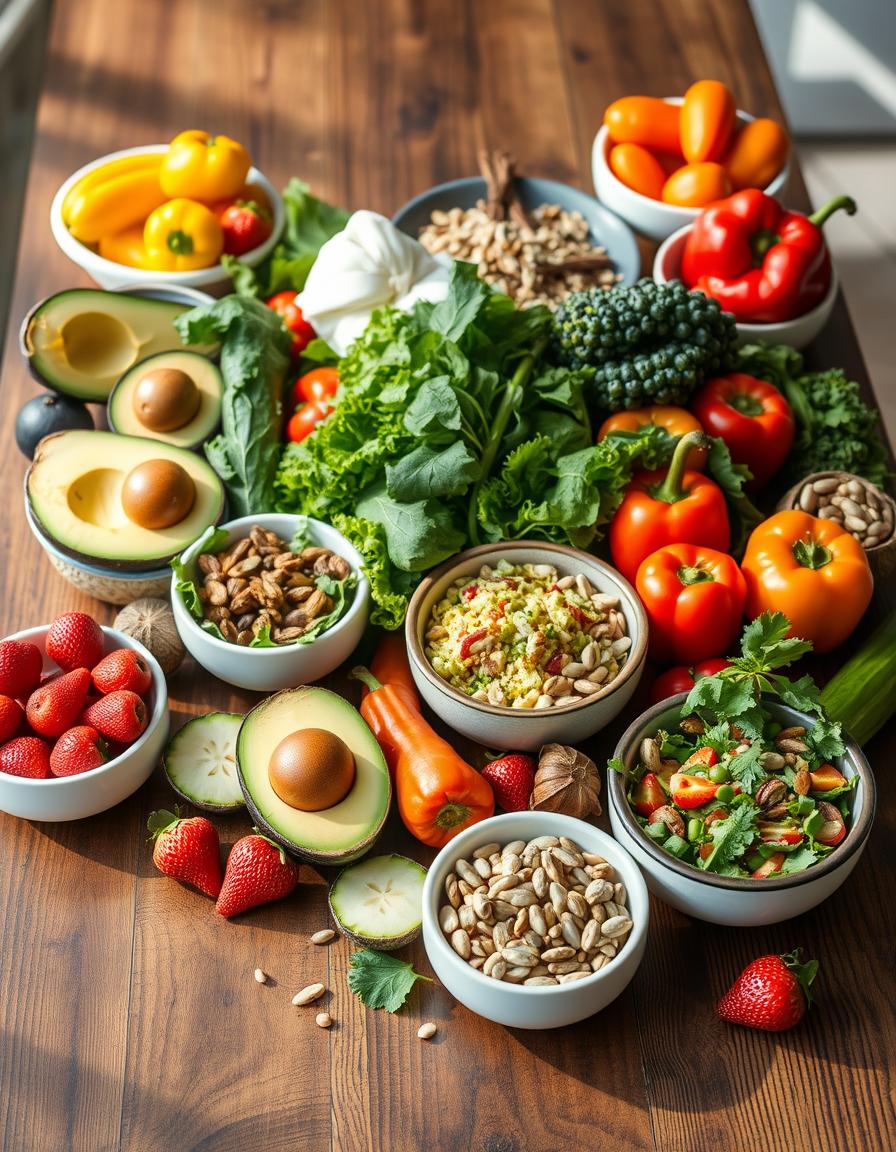
A raw vegan diet plan combines two approaches: raw foodism and veganism. It excludes all animal products and cooked foods above a certain temperature, usually around 118°F (48°C). This means no meat, dairy, eggs, or cooked meals. Instead, your plate is filled with fruits, vegetables, nuts, seeds, and sprouted grains—all eaten raw or simply soaked, blended, or dehydrated at low heat.
The idea is that cooking can destroy some nutrients and enzymes that help with digestion and overall health. Eating raw dishes aims to keep food as close to its natural state as possible, which many people find refreshing and energizing. Plus, it often requires minimal preparation time, making it perfect for those who want to avoid spending hours in the kitchen.
Basic Components of a Raw Vegan Diet Plan
- Fresh fruits: Apples, berries, mangoes, melons, and citrus fruits.
- Leafy greens: Spinach, kale, arugula, and lettuce varieties.
- Vegetables: Cucumbers, bell peppers, carrots, zucchini, and tomatoes.
- Nuts and seeds: Almonds, walnuts, chia seeds, flaxseeds, and sunflower seeds (usually soaked for easier digestion).
- Sprouted grains and legumes: Mung beans, lentils, quinoa, and buckwheat.
- Natural fats: Avocado, coconut, and cold-pressed oils.
Why Many People Choose Raw Vegan Eating
You might wonder why someone would trade a warm, hearty meal for a bowl of raw veggies and fruits. The simplicity and health benefits often win people over. Some report feeling lighter, having clearer skin, and experiencing boosted energy levels. Others appreciate that raw vegan meals are naturally high in fiber, vitamins, and antioxidants.
One friend of mine, who once struggled with sluggish afternoons, swapped his microwaved lunch for a raw vegan diet plan. He said he felt as if he’d been upgraded to a newer, faster version of himself—without the mid-day crashes. It’s like your body gets a fresh tune-up from the inside.
Health Benefits at a Glance
| Benefit | How It Helps |
|---|---|
| Improved Digestion | High fiber from raw fruits and veggies supports gut health. |
| Boosted Energy | Nutrient-dense foods supply sustained energy without crashes. |
| Weight Management | Lower calorie density and high fiber promote fullness. |
| Clearer Skin | Hydrating fruits and antioxidants reduce inflammation. |
How to Start a Raw Vegan Diet Plan Without Feeling Overwhelmed
Diving into raw vegan eating doesn’t mean you have to overhaul your kitchen or learn complex recipes. Start small and keep it enjoyable. Begin by adding raw snacks between meals or replacing one cooked meal with a fresh salad or smoothie. Over time, experiment with sprouting seeds, making raw soups, or trying dehydrated crackers.
Simple Tips for Beginners
- Keep fresh fruits and veggies washed and ready in your fridge.
- Enjoy smoothies that combine leafy greens with sweet fruits.
- Try soaking nuts and seeds overnight to make them softer and tastier.
- Use kitchen tools like a blender, food processor, or spiralizer to add variety.
- Stay hydrated; water-rich fruits like watermelon double as hydration boosters.
These small steps help you ease into raw vegan eating without feeling deprived or bored. Many people find that the freshness and natural sweetness of raw foods replace cravings for processed snacks almost effortlessly.
Common Questions About Raw Vegan Diets
Is it possible to get enough protein on a raw vegan diet plan?
Absolutely! Protein comes from nuts, seeds, sprouted beans, and even leafy greens. Though it’s different from animal proteins, combining these sources throughout the day can meet your protein needs.
Won’t I miss cooked food textures and flavors?
At first, yes. But once you get the hang of raw recipes like nut cheeses, marinated veggies, and dehydrated crackers, you’ll discover exciting new tastes and textures.
Can I eat out while following a raw vegan diet plan?
Dining out can be trickier but not impossible. Many restaurants offer fresh salads, fruit plates, or vegetable-based dishes that fit the bill. Bringing your own snacks helps too!
Delicious Raw Vegan Meal Ideas
Here are a few no-fuss meal ideas to get you started:
| Meal | Ingredients | Preparation |
|---|---|---|
| Green Smoothie | Spinach, banana, apple, chia seeds, coconut water | Blend all until smooth |
| Rainbow Salad | Mixed greens, shredded carrot, bell peppers, avocado, lemon dressing | Toss together and drizzle with lemon juice and olive oil |
| Zucchini Noodles with Pesto | Zucchini noodles, basil, walnuts, garlic, olive oil | Blend pesto ingredients and mix with noodles |
| Raw Energy Bites | Dates, almonds, shredded coconut, cocoa powder | Process in food processor, roll into balls |
If you’re curious about nutrition beyond human food, a friend once told me about how important bulldog nutrition is for their pet’s vitality—just like we need to eat right, animals thrive with the proper diet too. You can read more about that here.
Conclusion
The raw vegan diet plan offers a straightforward, refreshing approach to eating that can fit many lifestyles. With nature’s raw gifts as your foundation, meals become colorful, tasty, and quick to prepare. While it may take some adjustments, the benefits to energy, digestion, and overall wellness are worth the effort. So, whether you’re simply curious or ready to embrace a new way of eating, raw veganism brings a unique simplicity that’s both nourishing and enjoyable.

Timo is the founder of LiteDietPlan.com, where smart nutrition meets simple living.