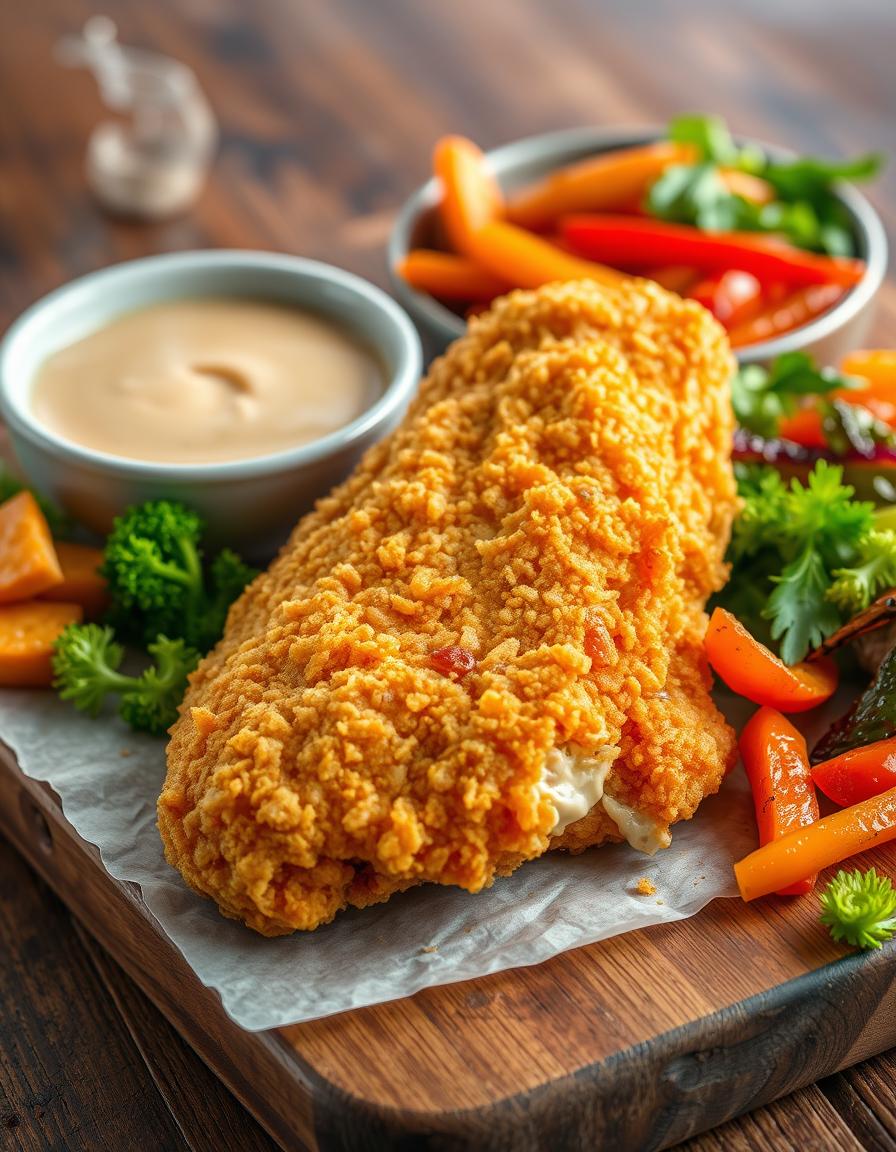
Fried chicken breast is a popular dish loved by many for its crispy exterior and juicy interior. But when you’re trying to maintain a healthy lifestyle or keep track of your diet, it’s natural to wonder about the nutritional details behind that golden, crunchy bite. Understanding fried chicken breast nutrition can help you make smarter choices without giving up on flavor. Let’s explore the calories, macros, and other nutrition facts you should know about this classic comfort food.
Calories in Fried Chicken Breast
One of the first things people are curious about is the calorie content of fried chicken breast. Calories are a way to measure the energy food provides, and fried foods tend to pack quite a punch due to the added oil and breading.
A typical fried chicken breast (about 150 grams or 5.3 ounces) contains roughly 330 to 400 calories. The exact number can vary depending on how it’s prepared—whether it’s deep-fried, pan-fried, or air-fried—and the type of breading used.
| Type of Fried Chicken Breast | Approximate Calories (per 150g) |
|---|---|
| Deep-fried, breaded chicken breast | 380-400 calories |
| Pan-fried with light breading | 330-350 calories |
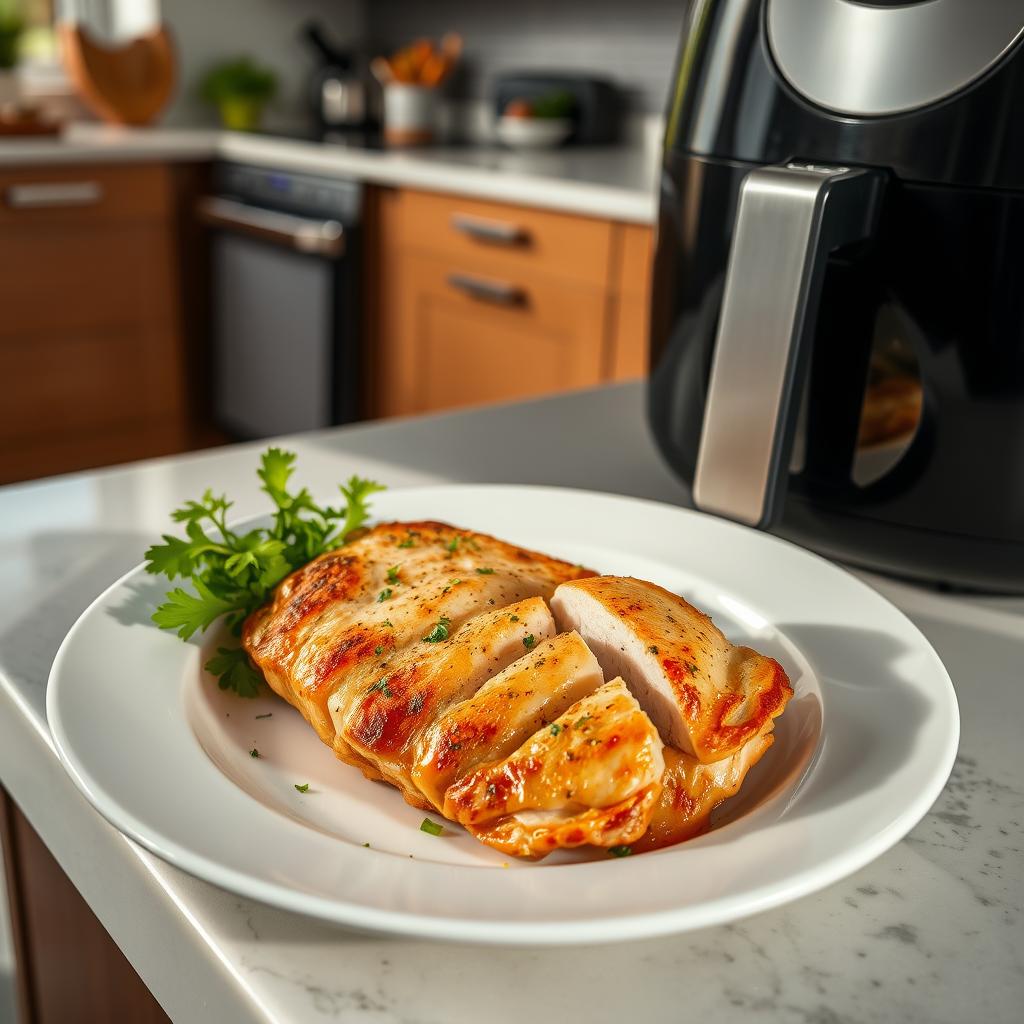
| Air-fried, breaded chicken breast | 290-320 calories |
It’s clear that the cooking method plays a role in the calorie count. You can save some calories by choosing air-frying or pan-frying instead of deep-frying. Still, fried chicken breast remains a moderately calorie-dense option, so portion control helps keep your meal balanced.
Macronutrients: Protein, Fat, and Carbs
Macronutrients—protein, fat, and carbohydrates—are the nutrients that provide energy and build up your body. Fried chicken breast nutrition heavily depends on these macros, so let’s break down what you typically find in a fried chicken breast serving.
Protein
Chicken breast is famous for being a great source of lean protein. Even when fried, it maintains a solid protein content. A 150-gram fried chicken breast usually contains around 30 to 35 grams of protein, which helps build muscles and keeps you feeling fuller for longer.
Fat
Fat content significantly increases when chicken breast is fried. While a skinless, raw chicken breast has about 3 grams of fat, frying it adds oil fats during cooking. On average, a fried chicken breast contains between 15 and 22 grams of fat.
Not all fats are created equal. Some of the fat absorbed during frying may come from oil types high in unhealthy trans fats or saturated fats, especially if cooked with reused or poor-quality oils. Using healthier oils like olive or avocado oil can help keep fat quality better.
Carbohydrates
Chicken breast itself has no carbs, but when breaded for frying, carbs enter the picture. The breading usually adds 10 to 20 grams of carbohydrates, depending on the amount and recipe used. If you’re counting carbs carefully, it’s important to factor in the breading.
| Macronutrient | Amount (per 150g fried chicken breast) |
|---|---|
| Protein | 30 – 35 grams |
| Total Fat | 15 – 22 grams |
| Carbohydrates | 10 – 20 grams |
Vitamins and Minerals in Fried Chicken Breast
Aside from calories and macros, fried chicken breast nutrition also includes important vitamins and minerals. Chicken breast is a good source of B vitamins like niacin (B3) and vitamin B6, which help with energy metabolism. You’ll also find minerals such as phosphorus, selenium, and zinc.
However, frying can reduce some heat-sensitive vitamins. Additionally, the breading and frying oil may not add much nutritional value beyond calories. To ensure you get a healthy dose of vitamins and minerals, balance your meal with vegetables or a fresh salad.
Healthier Ways to Enjoy Fried Chicken Breast
Let’s face it: fried chicken is comfort food for many. But it doesn’t mean you have to avoid it completely while aiming for a healthy diet. Here are some tips to enjoy fried chicken breast with fewer regrets:
- Choose cooking methods wisely: Pan-frying with less oil or air-frying can slash calories and fat compared to deep-frying.
- Pick better oils: Use oils high in healthy fats, such as olive oil or avocado oil, which can support heart health.
- Trim the breading: Opt for whole-grain or almond flour coatings for added fiber and nutrients.
- Control portions: A smaller piece of fried chicken paired with veggies makes a balanced meal.
- Skip the skin: Skin holds a lot of fat, so removing it before frying helps reduce fat intake.
Also, pairing your fried chicken with a low-calorie fruit smoothie can add refreshing vitamins and fiber to your meal without adding many calories.
Common Questions About Fried Chicken Breast Nutrition
Is fried chicken breast healthier than fried dark meat?
Yes, chicken breast generally has less fat and fewer calories compared to dark meat like thighs or drumsticks. However, frying adds fat, so even breast meat’s health benefits can be reduced if fried in unhealthy oils or with excess breading.
Can fried chicken breast fit into a weight loss diet?
It can, if eaten in moderation and balanced with other low-calorie, nutrient-rich foods. Controlling portion size and choosing healthier cooking methods help keep it in line with weight loss goals.
Does frying chicken destroy its protein?
Frying doesn’t destroy protein but can reduce some vitamins. The protein content in chicken breast remains high even after frying.
What’s the difference between homemade and fast-food fried chicken breast?
Fast-food fried chicken often contains more calories, sodium, and unhealthy fats due to thicker breading and industrial frying methods. Homemade versions allow you to control ingredients and cooking method, often making them a better choice.
Conclusion
Fried chicken breast nutrition can be surprising once you dig into the details. It offers a good amount of protein but also comes with added fats and carbohydrates from breading and frying oils. The key is to enjoy it wisely—choose healthier cooking methods, pay attention to portions, and complement your meal with nutritious sides. That way, fried chicken doesn’t have to be a guilty pleasure but rather an occasional treat that fits your lifestyle. Remember, balance is everything, even with a dish as tempting as crispy fried chicken breast.

Timo is the founder of LiteDietPlan.com, where smart nutrition meets simple living.