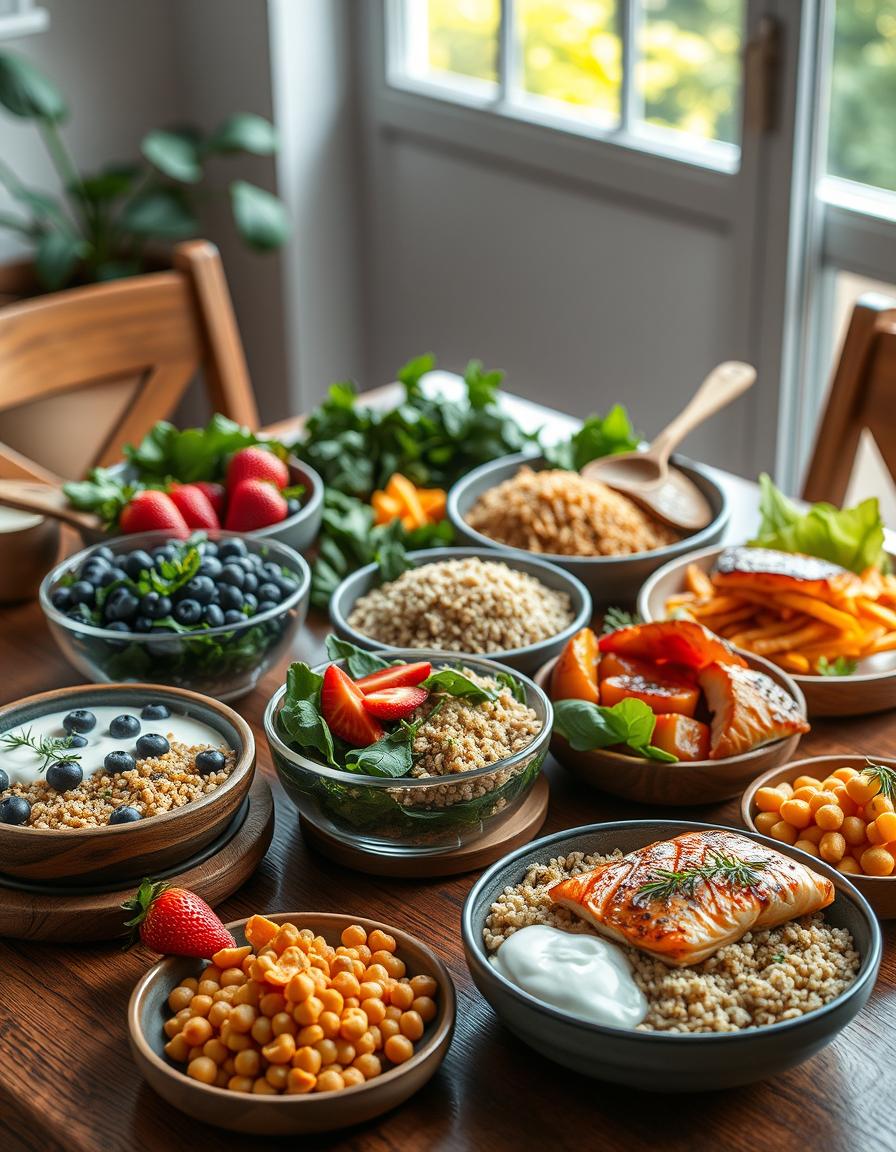

Eating a low-fiber diet can be a big change for your body, especially if you’re used to eating lots of fruits, vegetables, and whole grains. Whether it’s due to digestive issues, surgery, or a doctor’s recommendation, switching to gentle, easy-to-digest meals is important. A low fiber diet meal plan helps reduce irritation in your digestive system by limiting fiber intake, which means choosing foods that are soft, simple, and comforting.
Understanding a Low-Fiber Diet
A low-fiber diet focuses on eating foods with the least amount of dietary fiber. Fiber is great for keeping digestion regular, but sometimes it can cause discomfort if your gut needs a break. This diet avoids tough, fibrous foods like raw vegetables, nuts, seeds, and whole grains. Instead, it includes foods that are smooth, cooked, and easier for your body to process.
This kind of meal plan is often recommended for people with digestive conditions like Crohn’s disease, ulcerative colitis, diverticulitis, or after certain surgeries. It helps calm down the intestines and reduces symptoms like bloating, cramping, and diarrhea.
What to Eat on a Low-Fiber Diet Meal Plan
Planning meals for low fiber intake doesn’t have to be dull or flavorless. You can still enjoy a variety of tasty dishes that nurture your body. The key is selecting foods that are low in fiber and preparing them in a way that’s gentle on your system.
Grains and Starches
- White bread, plain bagels, and English muffins (avoid whole grain and seeded varieties)
- White rice and refined pasta
- Cooked cereals like cream of wheat or rice porridge
- Potatoes without skin, like mashed or boiled potatoes
Fruits
- Ripe bananas
- Applesauce (without chunks)
- Canned peaches or pears (without skin or seeds)
- Melons, like cantaloupe or honeydew
Vegetables
- Cooked carrots, squash, and green beans
- Potatoes and sweet potatoes without skin
- Peas (in limited amounts and cooked well)
- Beets and zucchini, steamed or boiled
Proteins
- Tender, cooked meats like chicken, turkey, and lean cuts of beef or pork
- Eggs prepared without added fat
- Tofu and smooth nut butters (like peanut butter without chunks)
- Canned or well-cooked legumes in small amounts, if tolerated
Dairy
- Milk, yogurt (without fruit chunks), and cheese in moderation
- Choose lactose-free products if dairy causes discomfort
Sample Low Fiber Diet Meal Plan
Here’s an example of a gentle meal plan that helps keep fiber low while providing balanced nutrition.
| Meal | Food Ideas | Notes |
|---|---|---|
| Breakfast | Scrambled eggs, white toast with butter, and a ripe banana | Soft, easy to digest, and low fiber |
| Lunch | Grilled chicken breast, mashed potatoes (no skin), and steamed carrots | Gentle proteins and cooked veggies |
| Snack | Applesauce and a small piece of mild cheese | Fruits without skin and easy dairy |
| Dinner | Baked white fish, white rice, and cooked zucchini | Low fiber and nourishing |
| Snack | Yogurt (plain, no fruit chunks) | Calm and soothing for the gut |
Tips for Preparing Low-Fiber Meals
When you’re cooking low-fiber meals, think of foods like they’re on a spa day—soft, relaxed, and easy-going. The goal is to make every bite gentle on your stomach.
- Cook thoroughly: Steaming, boiling, or baking until soft helps break down fiber and makes foods easier to digest.
- Peel fruits and vegetables: Removing skins and seeds reduces fiber content and irritants.
- Avoid fried and greasy foods: These can upset your stomach and are harder to digest.
- Limit spices and seasoning: Mild herbs like parsley or basil are fine, but avoid hot spices or anything too acidic.
- Stay hydrated: Drinking enough water helps keep things moving smoothly, even with lower fiber intake.
Helpful Foods: Sweet Potatoes and More
Sweet potatoes are a great option on a low fiber diet meal plan as long as they’re cooked and eaten without skin. They’re soft, naturally sweet, and provide important nutrients. For an interesting read on this, check out cooked sweet potato nutrition. They offer vitamins A and C, potassium, and a gentle energy boost.
Other gentle favorites include well-cooked carrots, peeled apples, and tender poultry. These foods help ensure you get a range of vitamins and minerals without overloading your digestive system.
Things to Avoid on a Low-Fiber Diet
Some foods just don’t fit well with a low-fiber diet because they can make symptoms worse or are too rough for your digestive system. Here’s a quick list of what’s best to skip:
- Whole grains like brown rice, quinoa, barley, and whole wheat bread
- Raw fruits and vegetables, especially with skins or seeds
- Legumes like beans, lentils, and chickpeas in large amounts
- Nuts, seeds, and popcorn
- Spicy foods, strong sauces, and fried or greasy dishes
- Carbonated beverages and caffeine in excess
Balancing Fiber Intake Wisely
Since fiber is such an important part of a regular diet, following a low fiber diet meal plan should be temporary unless your doctor advises otherwise. As your symptoms improve or your condition changes, you might gradually add fiber back into your meals. That way, you keep your gut happy while not depriving your body of essential nutrients.
Remember, everyone’s tolerance is different. What works like a charm for one person might not be the best for another. Keep track of what you eat, how you feel, and don’t hesitate to consult a dietitian or healthcare provider for extra guidance.
Conclusion
Eating on a low-fiber diet doesn’t have to feel limiting or boring. By focusing on soft, cooked foods that are easy to digest, you can still enjoy delicious and nutritious meals. A low fiber diet meal plan centers on simple ingredients like peeled fruits, tender meats, refined grains, and cooked vegetables that soothe your digestive system.
With a bit of creativity and some easy swaps, you can keep your meals gentle, satisfying, and nourishing. Your body will thank you as it heals and adjusts. So next time you’re wondering what to eat, remember: softer is smarter, and simplicity is your friend.

Timo is the founder of LiteDietPlan.com, where smart nutrition meets simple living.