Crohn’s disease is a type of inflammatory bowel disease that causes inflammation in the digestive tract, leading to symptoms like abdominal pain, diarrhea, and fatigue. Managing this condition often involves a combination of medication and lifestyle changes, especially diet. A well-thought-out Crohn’s disease diet plan can help reduce symptoms and improve overall well-being. While there’s no one-size-fits-all approach, certain foods and habits can make a big difference in managing flare-ups and supporting digestion.
Understanding Crohn’s Disease and Diet
When living with Crohn’s disease, what you eat might feel like a tricky puzzle. Some foods can trigger symptoms, while others might help soothe the gut. The key is to find a balance that works for your body. Since Crohn’s affects each person differently, a food that bothers one person might be perfectly fine for another.
That’s why it’s important to maintain a Crohn’s disease diet plan that’s flexible and focused on gentle nutrition. The goal is to reduce irritation in the digestive tract while ensuring you get enough nutrients to stay strong and healthy.
Common Dietary Triggers to Avoid
Many people with Crohn’s find that certain foods tend to make their symptoms worse. Keeping a food journal can help pinpoint what to avoid. Some common culprits include:
- High-fiber foods: Raw vegetables, nuts, seeds, and whole grains might irritate a sensitive gut, especially during flare-ups.
- Spicy foods: They can increase inflammation and worsen symptoms like diarrhea and cramping.
- Dairy products: Many people with Crohn’s are lactose intolerant, which means dairy can cause bloating and discomfort.
- Fatty or fried foods: These can be harder to digest and may exacerbate symptoms.
- Caffeine and alcohol: Both can irritate the bowel and trigger flare-ups.
Foods That Can Help
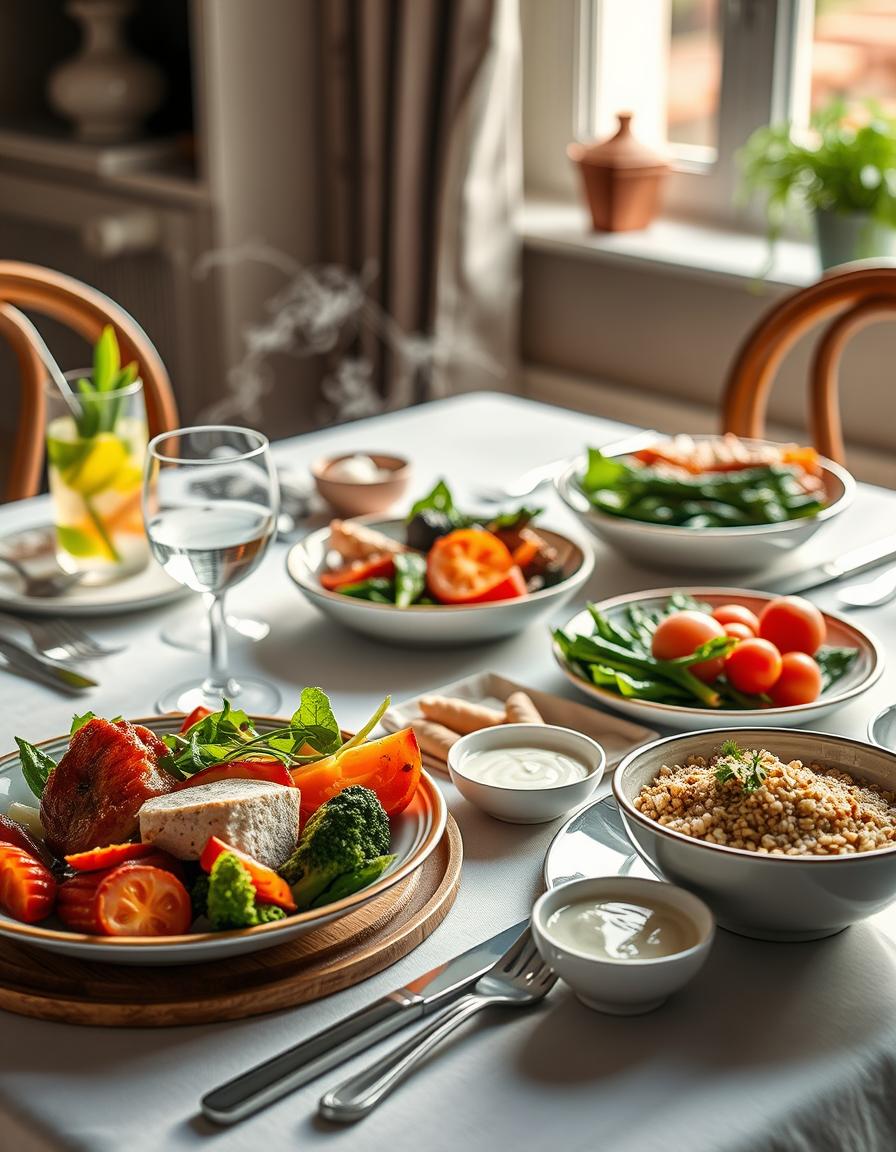
While avoiding triggers is important, adding soothing and nourishing foods is equally key. Here are some options that often work well in a Crohn’s disease diet plan:
- Cooked vegetables: Steamed carrots, squash, or zucchini are gentler choices compared to raw veggies.
- Low-fiber fruits: Bananas, melons, and peeled apples can provide vitamins without upsetting the gut.
- Lean proteins: Chicken, turkey, and fish offer essential nutrients with less fat.
- Refined grains: White rice and pasta are easier to digest than whole grains during flare-ups.
- Probiotics: Yogurt with live cultures or fermented foods can support gut health, but introduce these slowly.
Creating a Balanced Crohn’s Disease Diet Plan
Building a diet that helps manage Crohn’s symptoms involves more than just choosing the right foods. It’s about timing, portion size, and listening to your body.
Meal Timing and Portion Control
Eating smaller meals more frequently can help reduce stress on the digestive system. Large meals might overwhelm your gut and trigger discomfort. Also, try to eat slowly and chew thoroughly so that digestion starts well before food hits your stomach.
Setting a routine for meals can also regulate digestion. Consistency in meal times helps your body prepare and manage digestion better.
Hydration is Key
Diarrhea and inflammation can lead to dehydration, so drinking enough fluids is crucial. Water is the best choice, but herbal teas and electrolyte drinks can help replace lost minerals. Avoid sugary drinks, which might worsen symptoms.
Supplement Wisely
Crohn’s disease can make it harder to absorb certain vitamins and minerals. Supplements like vitamin D, B12, iron, and calcium may be needed. Always check with your healthcare provider before starting any supplements to ensure they fit your specific needs.
Sample Crohn’s Disease Diet Plan
| Meal | Foods to Include | Tips |
|---|---|---|
| Breakfast | Oatmeal made with water or lactose-free milk, a peeled banana, herbal tea | Choose low-fiber, gentle foods; avoid added sugar |
| Morning Snack | Plain yogurt with a spoon of honey or probiotic supplement | Introduce probiotics slowly to avoid discomfort |
| Lunch | Grilled chicken breast, steamed carrots, white rice | Avoid spicy sauces; keep meals simple and cooked |
| Afternoon Snack | Applesauce (unsweetened), rice crackers | Stick to low-fiber, easy-to-digest snacks |
| Dinner | Baked fish, mashed potatoes, steamed zucchini | Cook vegetables well; limit fats and oils |
| Evening Snack | Gelatin dessert or a small smoothie with peeled fruits | Keep portion sizes small to ease digestion |
Managing Flare-Ups with Diet
During a flare-up, your digestive tract might be extra sensitive, and even usually safe foods can cause trouble. In these times, the Crohn’s disease diet plan tends to shift toward even simpler, softer foods that are easier on the gut. Think along the lines of broth-based soups, plain white toast, or boiled potatoes.
Some people benefit from a low-residue diet when symptoms worsen. This diet limits fiber and other substances that increase stool volume. However, it is meant only as a short-term fix, so reintroducing fiber gradually is important once symptoms improve.
Tips for Handling Flare-Ups
- Stay hydrated with water and electrolyte drinks.
- Avoid caffeine, alcohol, and high-fat foods.
- Eat small, frequent meals to reduce stress on the digestive system.
- Focus on cooked, soft foods that pass easily through the intestines.
- Consult your healthcare provider if symptoms worsen or persist.
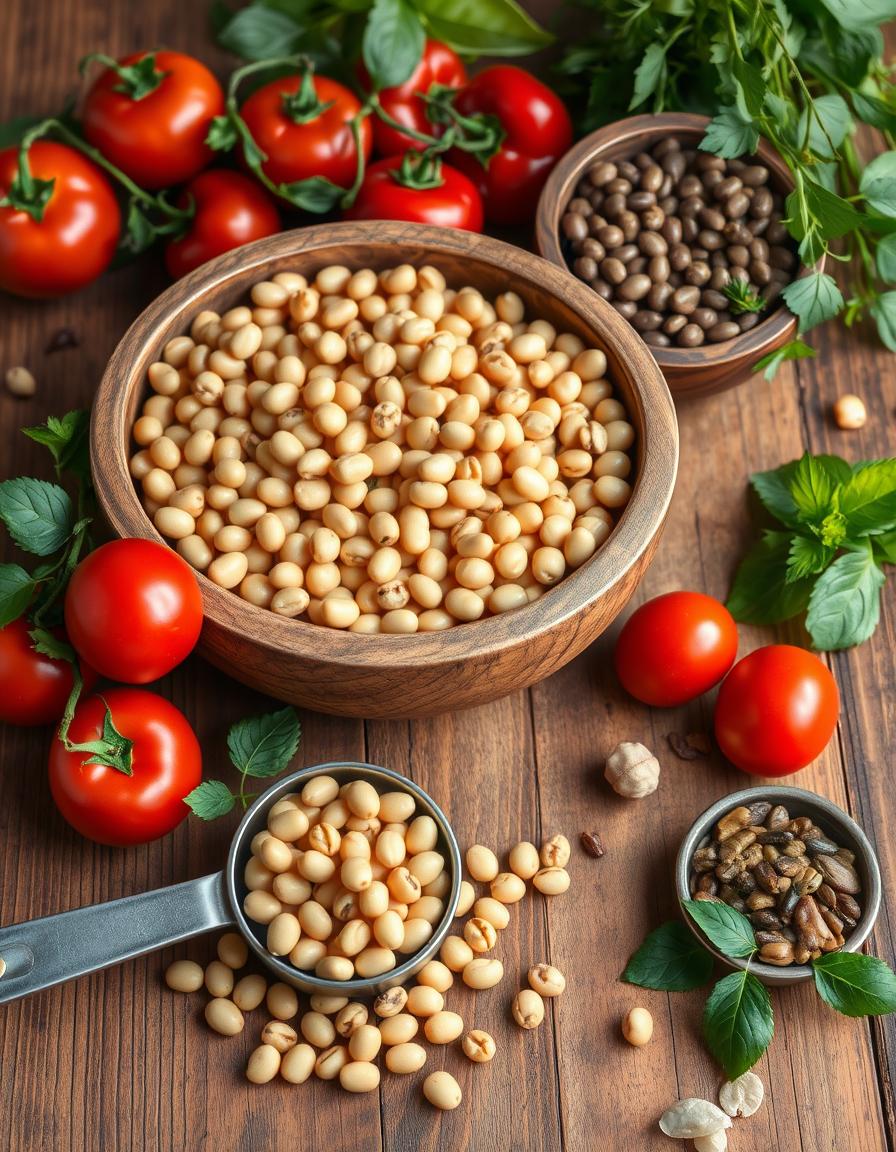
If you are curious about plant-based protein options, northern beans nutrition can be a helpful resource. These beans are rich in protein and fiber, but it’s best to try them carefully and see how your body reacts during calm periods. You can find more details about their benefits and preparation at northern beans nutrition.
Practical Tips to Make Your Diet Work
Keep a Food Diary
Noticing how your body reacts to different foods can be eye-opening. Write down what you eat and any symptoms that follow. Over time, patterns will emerge, helping you adjust your Crohn’s disease diet plan for your comfort.
Cook at Home
Home-cooked meals give you control over ingredients and preparation methods. You can avoid hidden fats, spices, or preservatives that might cause trouble. Plus, cooking can be a fun and creative way to stay motivated in your diet journey.
Stay Positive and Patient
Living with Crohn’s means your diet needs may change. What works today might need tweaking tomorrow. Try not to get discouraged if some days are harder. Remember, each small step adds up toward feeling better.
Conclusion
Building a Crohn’s disease diet plan is a personal journey that blends avoiding irritants with nourishing choices. While flare-ups can be challenging, gentle, cooked foods and small meals often help ease symptoms. Keeping track of what works for you and remaining flexible allows you to take control over your digestion and comfort.
Focus on hydration, lean proteins, and easy-to-digest foods to keep inflammation lower. And remember, consulting with a healthcare provider or dietitian can offer guidance tailored to your needs. With a bit of patience, humor, and care, managing Crohn’s disease through diet becomes less of a chore and more of a unique path to feeling your best.

Timo is the founder of LiteDietPlan.com, where smart nutrition meets simple living.