
Finding the right balance between losing fat and gaining muscle can feel like walking a tightrope. Many people struggle to shed pounds without losing strength or bulk up without adding unwanted fat. This balancing act is where a body recomposition diet plan shines. Instead of focusing solely on cutting calories or bulking up, this approach aims at reshaping your body by simultaneously burning fat and building muscle.
Understanding Body Recomposition
Body recomposition means changing the proportion of fat and muscle in your body. Imagine swapping out some of the fat for lean muscle. While weight might not change drastically, your body will look leaner and stronger. This is different from just losing weight or just gaining muscle. It’s a process that requires smart nutrition and exercise working hand-in-hand.
Why Not Just Lose Weight?
Many diets push rapid weight loss, but that often means muscle loss, too. Losing muscle can slow down your metabolism and make it harder to keep the weight off. On the flip side, gaining muscle without managing fat intake might lead to unwanted fat gain. Body recomposition focuses on preserving or building muscle while reducing fat, which is healthier and more sustainable in the long run.
Key Components of a Body Recomposition Diet Plan
Getting body recomposition right is like cooking a special recipe. You need the right ingredients in the right amounts, combined with the correct method. Here’s what makes up a solid diet plan for this purpose.
1. Protein – The Muscle Builder
Protein is the superstar nutrient when it comes to building and maintaining muscle. Eating enough protein helps your body repair and grow muscle tissue after workouts. Aim for about 1.0 to 1.2 grams of protein per pound of body weight daily. This ensures your muscles have the building blocks needed for growth while you lose fat.
- Chicken breast, turkey, and lean beef
- Eggs and dairy like Greek yogurt
- Plant-based options: lentils, chickpeas, tofu, and quinoa
2. Carbohydrates – Your Energy Source
Carbohydrates fuel your workouts and overall energy. The trick is to pick the right carbs and timing. Complex carbs like oats, sweet potatoes, and brown rice provide steady energy and keep you full longer. Eating carbs around workout times can help maximize muscle gain and recovery.
3. Fats – Essential but Controlled
Healthy fats support hormone production and overall health. Think of fats as the body’s helper, not the enemy. Include sources like avocados, nuts, seeds, olive oil, and fatty fish. However, keep fats in moderation, as they have more calories per gram than protein or carbs.
Balancing Calories for Fat Loss and Muscle Gain
Calories are like the currency for your body’s energy. To lose fat, you need to spend more than you earn, but to build muscle, you need enough income to invest in growth. With a body recomposition diet plan, the calorie balance is delicate.
Rather than slashing calories drastically, aim for a slight calorie deficit or maintenance. This allows fat loss without starving your muscles. Adjust calories based on progress and energy levels.
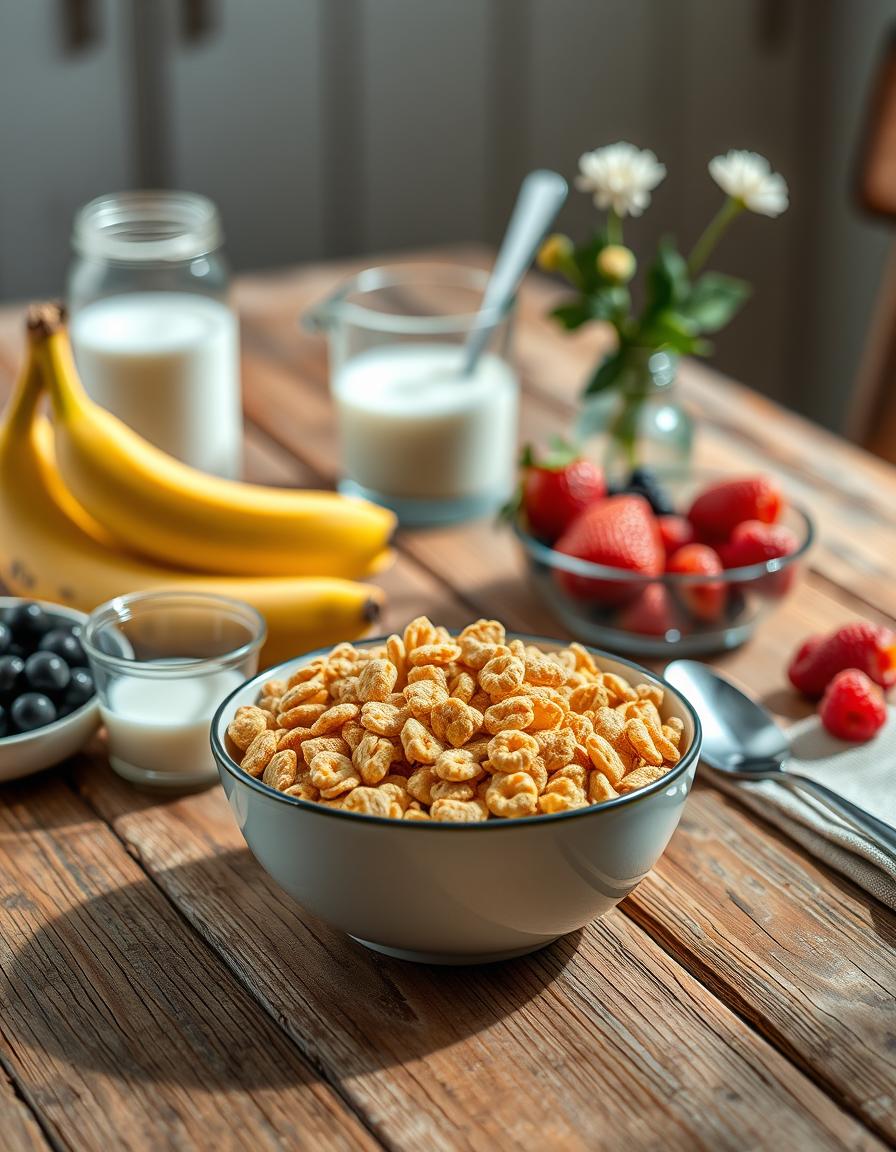
For example, eating a mix of nutrient-dense foods while monitoring portions helps you stay on track. Don’t forget to see the exact calories in Life cereal as even small changes in snacks can impact your daily intake.
Meal Timing and Frequency
While what you eat matters most, when you eat can also support your goals. Spreading meals evenly throughout the day helps keep energy steady. Some people find eating 4-5 smaller meals beneficial, while others prefer 3 main meals with snacks.
Pre and Post-Workout Nutrition
Eating a small meal with protein and carbs about an hour before working out can improve performance. After exercise, refueling with protein and carbs helps muscle repair and growth. Think of these meals as fuel stops on your fitness journey.
Exercise’s Role in Recomposition
A diet alone won’t reshape your body. Resistance training is essential for signaling your muscles to grow. Lifting weights or bodyweight exercises create the stimulus your muscles need. Cardio helps burn fat, but too much can interfere with muscle gains. Finding a balance is key.
Sample Weekly Workout Schedule
| Day | Workout |
|---|---|
| Monday | Upper body strength training |
| Tuesday | Moderate cardio (30 minutes) |
| Wednesday | Lower body strength training |
| Thursday | Rest or light activity (walking, yoga) |
| Friday | Full-body circuit training |
| Saturday | High-intensity interval training (HIIT) |
| Sunday | Rest |
Common Mistakes to Avoid
- Eating too few calories and losing muscle along with fat.
- Ignoring protein needs or failing to track intake.
- Overdoing cardio and burning out.
- Skipping strength training and expecting muscle growth.
- Expecting quick changes—recomposition takes time and patience.
Tips for Staying on Track
- Keep a food journal or use an app to track meals.
- Focus on whole foods instead of processed snacks.
- Stay hydrated—water is your workout buddy.
- Get enough sleep; muscles grow while you rest.
- Celebrate small wins; body changes are gradual.
One friend I know kept trying to drop fat fast and ended up weaker and frustrated. When she switched to a body recomposition diet plan and focused on protein and strength training, her energy soared, clothes fit better, and the scale wasn’t the boss anymore. It’s like tuning a piano—small adjustments lead to beautiful harmony.
Conclusion
The journey to reshaping your body involves more than just dieting or exercise alone. A carefully balanced body recomposition diet plan ensures you nourish your muscles while trimming fat. Prioritizing protein, managing carbs and fats, and syncing meals with workouts creates a powerful rhythm. Combining this with strength training and sensible cardio helps redefine your physique without sacrificing strength or health. Remember, patience is key—change happens gradually, but with consistency, you’ll find the balance that works best for you.

Timo is the founder of LiteDietPlan.com, where smart nutrition meets simple living.