Finding the right balance between losing weight and maintaining enough energy can feel like walking a tightrope. However, a 1400 calorie diet offers a practical way to shed pounds without leaving you feeling drained. By carefully selecting foods that provide nutrients and satisfaction, this eating plan keeps hunger at bay and energy levels steady throughout the day. Let’s take a closer look at how a 1400 calorie diet works and how you can make it fit your lifestyle.
What is a 1400 Calorie Diet?
A 1400 calorie diet is a meal plan where you consume around 1400 calories daily. This number is lower than the average daily calorie intake for most adults, making it useful for weight loss. The idea is to eat fewer calories than your body burns so it starts using stored fat for energy. But the key is to do this without feeling like you’re starving or losing your pep.
This diet emphasizes eating nutrient-rich foods that fill you up and keep your metabolism humming. It’s not about skipping meals or eating tiny portions; rather, it’s about smart choices that deliver quality nutrition within a set calorie limit.
Why Choose a 1400 Calorie Diet?
Weight loss plans can be confusing, with many promising quick fixes. But a 1400 calorie diet offers a simple, clear framework. Here’s why many people find it effective:
- Manageable Portions: You’re eating enough food to feel satisfied.
- Energy Balance: It’s enough calories to support daily activities.
- Improves Focus on Nutrition: Encourages choosing whole foods like fruits, veggies, lean proteins, and whole grains.
- Promotes Consistency: Easy to track and adjust as needed.
By sticking to this calorie level, you’ll likely see steady weight loss without the rollercoaster of energy highs and lows that come with more extreme diets.
How to Plan a 1400 Calorie Day
Planning meals around 1400 calories might sound tricky, but it breaks down nicely when you think about meals and snacks as small pieces of a puzzle. Here’s a general example of how you might spread out your calories:
| Meal | Calories |
|---|---|
| Breakfast | 350 |
| Morning Snack | 100 |
| Lunch | 400 |
| Afternoon Snack | 100 |
| Dinner | 450 |
Each meal and snack should combine protein, healthy fats, and fiber to keep you full and energized. For example, a breakfast of eggs and veggies or a bowl of oatmeal with nuts fits nicely into 350 calories.
Breakfast Ideas for Energy
Breakfast often sets the tone for the day. Starting with protein and fiber helps prevent mid-morning crashes. One popular choice are Kodiak protein pancakes. If you want to know more about their benefits, check out the kodiak protein pancakes nutrition – they provide a solid protein punch with moderate calories.
- Scrambled eggs with spinach and a slice of whole wheat toast
- Greek yogurt topped with fresh berries and a sprinkle of flaxseed
- Oatmeal cooked with almond milk and topped with walnuts and banana slices
Lunch and Dinner
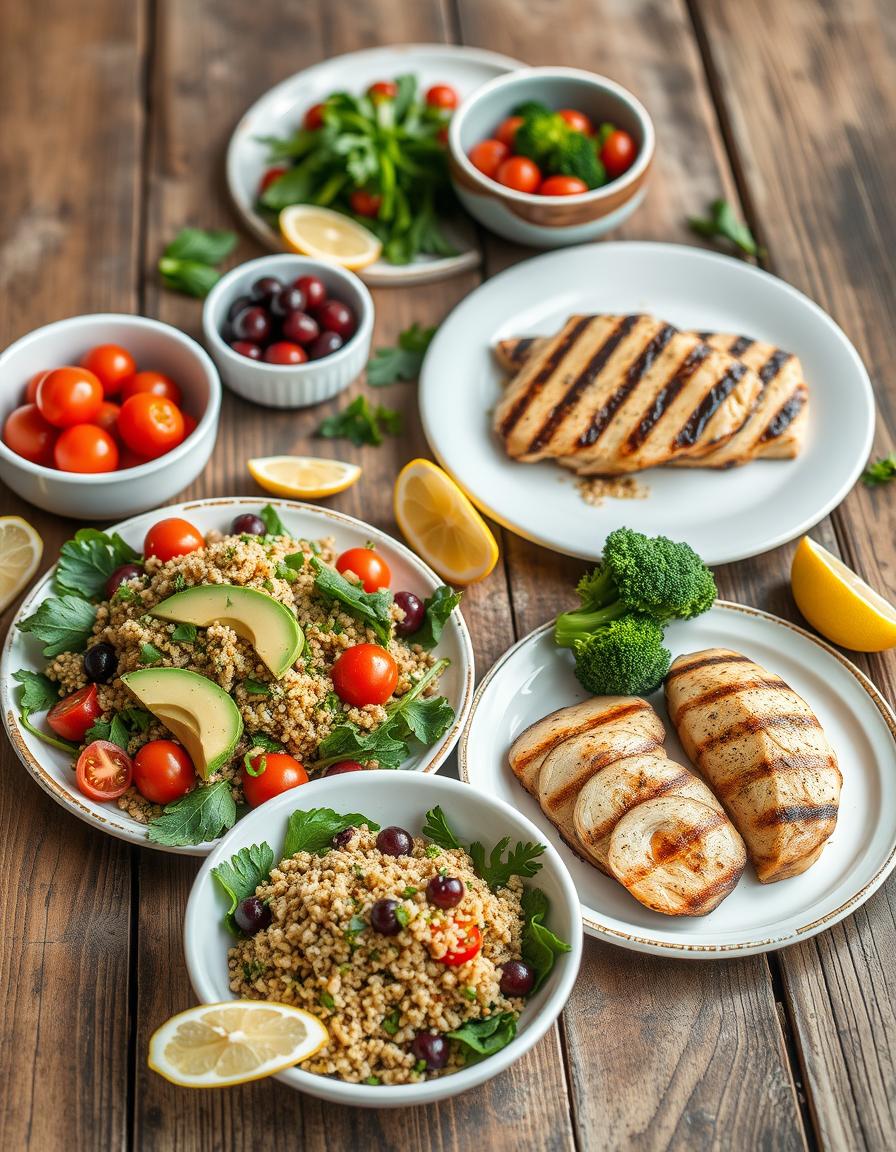
These meals should focus on lean proteins, colorful vegetables, and whole grains. Think grilled chicken, quinoa, steamed broccoli, or salmon with a side salad. Avoid heavy sauces and fried foods to keep calories in check.
- Grilled chicken breast, brown rice, and roasted vegetables
- Salmon fillet with quinoa and steamed asparagus
- Vegetable stir-fry with tofu and a small portion of brown rice
Smart Snacking
Snacks help keep your metabolism active and prevent overeating during main meals. Choose snacks that pack nutrients but are low in calories so you don’t blow your daily limit.
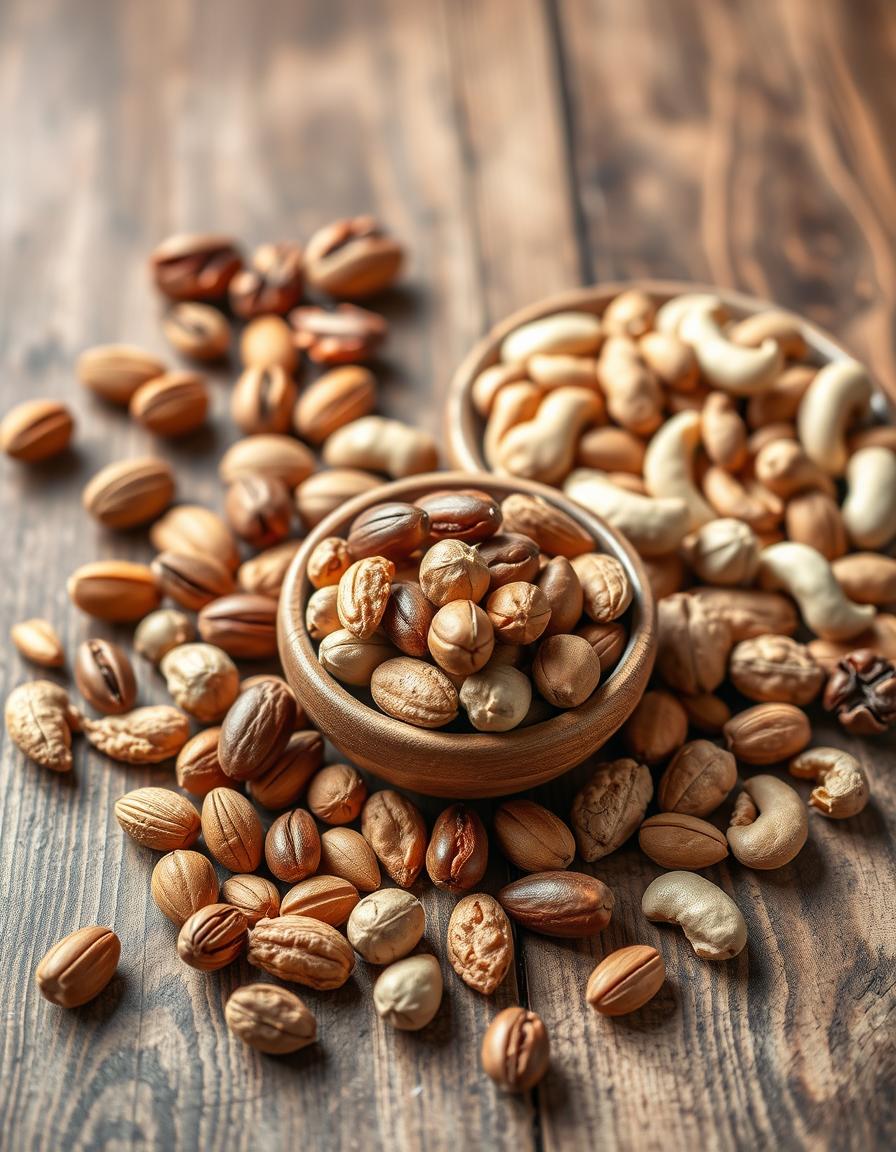
- A small handful of almonds or walnuts
- Carrot sticks with hummus
- Apple slices with a tablespoon of peanut butter
- Low-fat cheese sticks
Tips for Success on a 1400 Calorie Diet
Keeping energy levels high and hunger low means paying attention to how and what you eat, not just how much. Here are some friendly tips to help you:
- Track Your Meals: Use an app or journal to stay aware of calorie intake without obsessing.
- Stay Hydrated: Sometimes thirst disguises itself as hunger.
- Include Protein: Protein helps with muscle maintenance and keeps you feeling full longer.
- Eat Slowly: Give your brain time to realize you’re full.
- Prepare Ahead: Having meals and snacks ready prevents impulse eating.
Common Challenges and How to Handle Them
Reducing calories can sometimes lead to hunger pangs, cravings, or feeling tired. But don’t worry—these hurdles are common and manageable.
Feeling Hungry?
Try drinking a glass of water first or munching on a low-calorie veggie like cucumber or celery. Adding more fiber-rich foods can also help, as fiber expands in your stomach and slows digestion.
Cravings for Sweets or Junk Food
A small treat is fine if it fits your calorie budget. Instead of sugary snacks, try fresh fruit or a square of dark chocolate. Planning a “cheat” day once in a while can also keep cravings in check.
Low Energy
If you feel sluggish, check your sleep and water intake first. If those are good, tweak your meals to add a bit more protein or complex carbs, which release energy slowly. Sometimes, a bit of light exercise like walking can boost your mood and energy too.
Sample 1400 Calorie Meal Plan
| Meal | Menu | Approximate Calories |
|---|---|---|
| Breakfast | Kodiak protein pancakes with 1 tsp maple syrup + ½ cup berries | 350 |
| Morning Snack | Small apple + 10 almonds | 100 |
| Lunch | Grilled chicken salad (mixed greens, cherry tomatoes, cucumber, olive oil) | 400 |
| Afternoon Snack | Carrot sticks with 2 tbsp hummus | 100 |
| Dinner | Baked salmon, quinoa, steamed broccoli | 450 |
Conclusion
The 1400 calorie diet can be a helpful tool for those aiming to lose weight while keeping their energy up. It encourages mindful eating, balanced meals, and sensible snacks. Remember, the goal isn’t to starve yourself but to nourish and fuel your body efficiently. By making thoughtful food choices and listening to your hunger signals, you can enjoy a unique journey toward better health that’s sustainable and satisfying. With patience and a bit of creativity in the kitchen, this diet can turn weight loss into a positive, empowering experience.

Timo is the founder of LiteDietPlan.com, where smart nutrition meets simple living.