
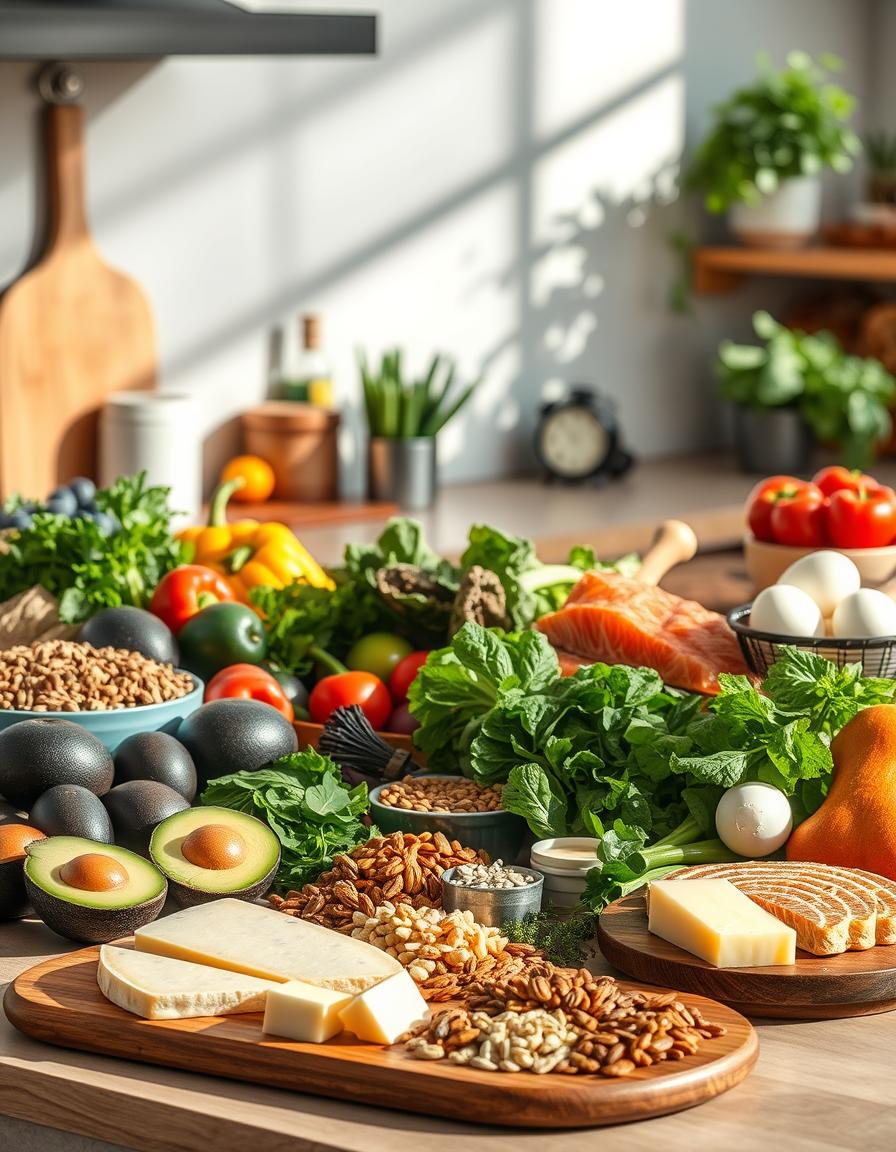
Embracing the ketogenic lifestyle can feel like stepping into a completely new way of eating. Choosing a ketogenic diet plan means focusing on consuming high fats, moderate proteins, and very low carbohydrates. This shift aims to turn your body into a fat-burning machine, rather than relying on sugar for energy. Although it sounds simple, many people struggle with knowing where to start or how to keep their meals interesting and satisfying. Luckily, with a straightforward plan, living keto can be both enjoyable and sustainable.
Understanding the Basics of a Ketogenic Diet Plan
The core idea behind a ketogenic diet plan is to reduce carbohydrate intake enough to push your body into a state called ketosis. In ketosis, your body burns fat for fuel instead of glucose (sugar). This often leads to weight loss, improved energy levels, and clearer thinking.
Typically, a ketogenic diet consists of:
- 70-75% fats
- 20-25% proteins
- 5-10% carbohydrates
This means swapping out bread, pasta, and sugary snacks for foods that are rich in healthy fats like avocado, nuts, and olive oil. Proteins like chicken, eggs, and fish play a supporting role, while vegetables low in carbs, such as spinach and broccoli, provide essential vitamins.
Why a Simple Plan Matters
Starting any new diet can feel overwhelming, and keto is no exception. A plan helps keep your meals on track and reduces guesswork. When you have a set routine, it’s easier to avoid carb temptations and stay motivated. Plus, preparing ahead means fewer chances of grabbing something that doesn’t fit your goals.
Setting Up Your Ketogenic Diet Plan
Step 1: Stock Your Kitchen
The first step to success is filling your pantry and fridge with keto-friendly ingredients. Having the right food ready helps you cook meals quickly and resist the urge to order takeout.
Here’s a quick grocery list to get started:
| Category | Examples |
|---|---|
| Fats & Oils | Olive oil, coconut oil, butter, avocado oil |
| Proteins | Eggs, chicken breast, salmon, ground beef |
| Low-Carb Veggies | Spinach, kale, zucchini, broccoli, cauliflower |
| Snacks | Nuts, cheese sticks, olives |
Step 2: Plan Your Meals
Creating a weekly meal plan keeps you organized and saves time. Aim for simple recipes that you enjoy and can repeat often. Keeping meals consistent reduces decision fatigue and makes following the ketogenic plan feel natural over time.
Here’s an example day of keto meals:
- Breakfast: Scrambled eggs cooked in butter with spinach and cheese
- Lunch: Grilled chicken salad with olive oil dressing and avocado slices
- Dinner: Baked salmon with steamed broccoli and cauliflower rice
- Snack: A handful of almonds or cheese cubes
Step 3: Track Your Macros
Keeping an eye on your fat, protein, and carb intake can help ensure you stay in ketosis. Several apps and online calculators are available to make tracking easy and even fun. This practice doesn’t have to be strict forever but can guide you until you understand your body’s needs better.
Tips for Staying on Track and Avoiding Pitfalls
Dealing with Cravings
One of the biggest challenges is handling cravings for carb-heavy foods like bread or sweets. Instead of trying to ignore these urges, it’s better to have alternatives ready. For example, nuts and cheese can curb hunger, and keeping plenty of water helps flush out cravings.
Also, exploring smart snack ideas sugar free can provide delicious, keto-friendly options that satisfy your sweet tooth without breaking your plan.
Stay Hydrated and Mind Your Electrolytes
Because carbs hold onto water in your body, cutting them can cause you to lose fluids fast. This often leads to dehydration and imbalanced electrolytes, causing headaches or fatigue. Drinking plenty of water and adding a pinch of salt or consuming potassium-rich foods can keep you feeling your best.
Keep It Simple and Flexible
Life can throw curveballs—special dinners, work events, or cravings. Remember, a ketogenic diet plan isn’t about perfection. It’s about progress and making better choices most of the time. If you have a day that doesn’t follow the plan exactly, don’t stress. Adjust and carry on.
Sample Weekly Ketogenic Diet Plan
| Day | Breakfast | Lunch | Dinner | Snack |
|---|---|---|---|---|
| Monday | Avocado and eggs | Chicken Caesar salad | Grilled steak and asparagus | Cheese sticks |
| Tuesday | Keto smoothie (coconut milk, spinach, protein) | Tuna salad with mayo and celery | Pork chops and sautéed spinach | Almonds |
| Wednesday | Omelet with cheese and mushrooms | Turkey and cheese lettuce wraps | Baked salmon and broccoli | Olives |
| Thursday | Chia pudding with coconut milk | Egg salad | Beef stir-fry with veggies | Pork rinds |
| Friday | Scrambled eggs and bacon | Zucchini noodles with pesto and chicken | Roasted chicken thigh and cauliflower mash | Macadamia nuts |
| Saturday | Keto pancakes with butter | Salmon salad | Grilled shrimp and mixed greens | Deviled eggs |
| Sunday | Frittata with veggies | Beef burger without bun with cheese and avocado | Roasted pork and green beans | Sunflower seeds |
Common Questions about the Ketogenic Diet Plan
Is the ketogenic diet plan safe for everyone?
Most people can safely follow keto, but it’s best to chat with a healthcare provider if you have certain conditions like diabetes or kidney problems. Some may need adjustments to avoid complications.
How long does it take to get into ketosis?
Usually, your body enters ketosis in 2-4 days after cutting carbs, but this can vary. Signs include increased energy and reduced hunger.
Can I eat out on keto?
Absolutely! Many restaurants offer dishes that fit the plan, such as salads with meat or grilled fish with veggies. Just be mindful of hidden carbs like sauces or bread.
Conclusion
Living the keto lifestyle with a simple plan can transform your relationship with food and energy. By focusing on high-quality fats, moderate protein, and keeping carbs low, your body switches gears and begins burning fat more efficiently. Remember to keep your kitchen stocked with the right ingredients, plan your meals ahead, and listen to your body’s needs. Don’t stress over every little detail—flexibility is key. With patience and dedication, the ketogenic diet plan can become a way of life that feels natural and rewarding. So go ahead, enjoy the journey, and savor those delicious, satisfying meals!

Timo is the founder of LiteDietPlan.com, where smart nutrition meets simple living.