The carnivore diet has been gaining attention for those interested in a no-carb lifestyle that focuses exclusively on animal-based foods. This approach removes all plant-based ingredients and centers meals around meat, fish, and animal fats. Many people find it refreshing to cut out carbs entirely and simplify their meals. If you’re curious about how to create a carnivore diet meal plan or wondering what a day on this all-meat diet looks like, you’re in the right place.
Understanding the Carnivore Diet
The carnivore diet is an extreme version of low-carb eating, where all carbohydrates are eliminated. Unlike keto or paleo diets, which still include vegetables or fruits in moderation, the carnivore diet relies purely on meat, eggs, and animal fats. This means no bread, no sugar, and absolutely zero plant-based foods. Some followers claim that this diet helps them feel more energetic and reduces digestive issues.
Why Choose a No-Carb Approach?
Carbohydrates are a primary source of energy for most people, but some believe they can cause inflammation, cravings, and energy crashes. By following an all-animal product plan, the carnivore diet removes these carbs completely. People who struggle with autoimmune conditions, digestive problems, or persistent weight issues sometimes find relief through this approach. It’s like hitting the reset button for your metabolism, allowing fat and protein to become your main fuel sources.
What Does a Carnivore Diet Meal Plan Look Like?
One of the unique benefits of the carnivore diet is its simplicity. You don’t have to count carbs or worry about complicated recipes. You just eat meat and animal products. But, to ensure you get a balanced intake of nutrients, a thoughtful carnivore diet meal plan is essential.
Sample Daily Carnivore Diet Meal Plan
| Meal | Foods | Notes |
|---|---|---|
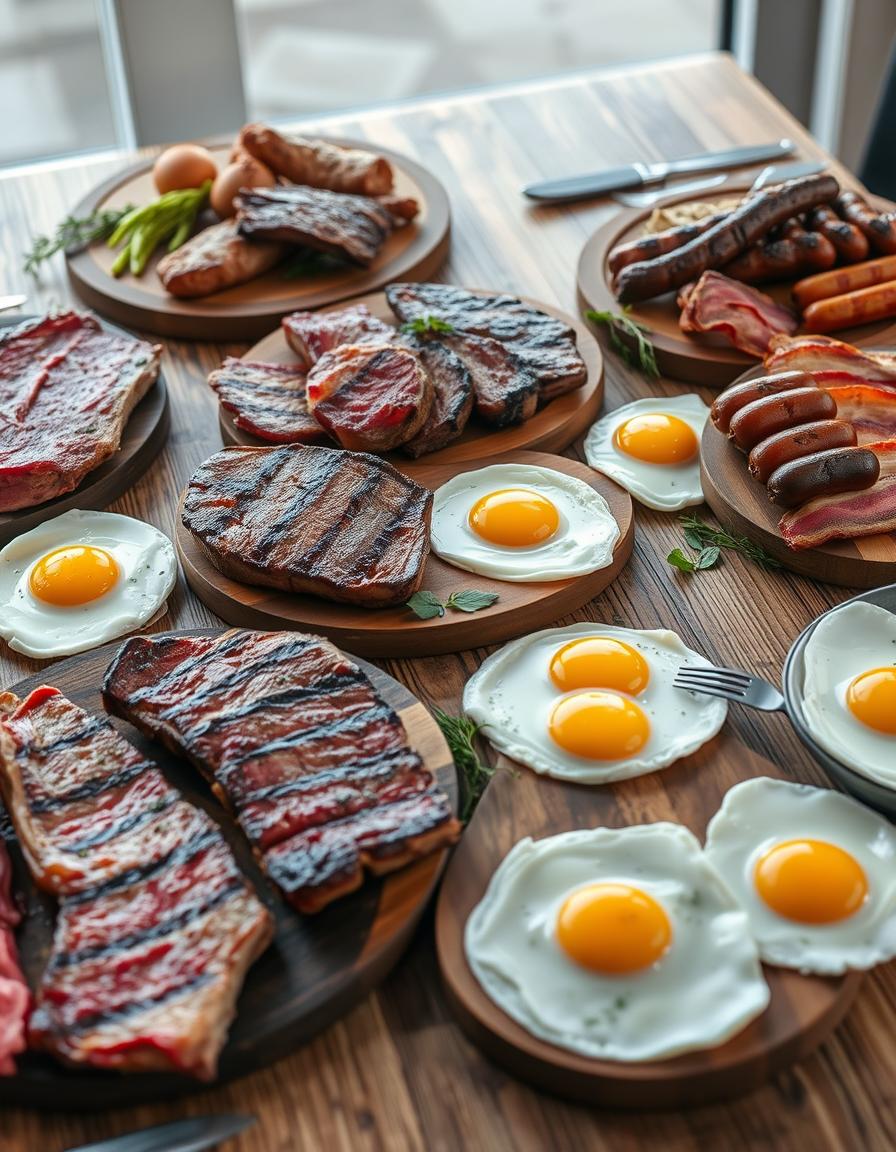
| Breakfast | 3 eggs cooked in butter, 3 strips of bacon | Eggs provide protein and fat, bacon adds flavor and fat |
| Lunch | Grilled ribeye steak, bone broth | Steak offers iron and B vitamins, bone broth supports gut health |
| Snack | Beef jerky or pork rinds | Convenient, portable meat snacks with zero carbs |
| Dinner | Pan-fried salmon with animal fat | Rich in omega-3 fatty acids, important for heart health |
Tips for Meal Planning Success
- Choose fatty cuts of meat to stay full and provide energy.
- Rotate different animal proteins like beef, lamb, chicken, or fish to avoid boredom.
- Cook with animal fats such as tallow, lard, or butter for added flavor and energy.
- Include organ meats like liver once or twice a week for extra vitamins.
- Drink plenty of water and consider adding salt to maintain electrolyte balance.
Common Questions About the Carnivore Diet
Will I Miss Carbs?
At first, many people do miss the taste and energy boost from carbs like bread or pasta. But over time, your body adapts by using fat for fuel, and cravings tend to fade. Some even feel less hungry overall, which is a bonus!
Is It Safe to Eat Only Meat?
When followed properly, the carnivore diet can provide all essential nutrients. Animal products contain every essential amino acid, and organ meats supply most vitamins and minerals. However, it’s important to listen to your body and consult a healthcare provider if you have concerns. Some people may experience digestive changes initially, but these usually settle down.
Benefits and Challenges
| Benefits | Challenges |
|---|---|
| Weight loss due to no carbs and reduced appetite. | Limited food variety can get monotonous. |
| Reduced inflammation and clearer skin reported by some. | Social situations and dining out can be tricky. |
| Simple meal prep saves time and mental energy. | Requires careful attention to ensure nutrient needs are met. |
Incorporating Snacks and Convenience Foods
Snacking on this diet is straightforward—think meat sticks, beef jerky, or pork rinds. These are easy options to keep your energy up between meals. For a quick and tasty snack, many enjoy string cheese. If you’re curious how string cheese fits in, check out this string cheese keto diet guide to see why it’s a popular pick for low-carb eaters.
How to Stay Hydrated and Maintain Electrolytes
Since the carnivore diet is carb-free, your body flushes out water and electrolytes like sodium and potassium faster than usual. To avoid feeling tired or getting headaches, add salt to your food and drink plenty of water. Bone broth is also a fantastic way to replenish minerals while enjoying a warm beverage.
Useful Kitchen Tools for Carnivore Cooking
- Cast iron skillet: Perfect for searing steaks and frying eggs.
- Slow cooker or instant pot: Great for making tender roasts and bone broth.
- Meat thermometer: Ensures your meat is cooked safely and to your liking.
- Vacuum sealer: Helps store bulk meat purchases to stay fresh longer.
Conclusion
The carnivore diet meal plan offers a straightforward and unique way of eating for those who want to avoid carbohydrates entirely. With a focus on animal proteins and fats, it simplifies what you put on your plate while potentially providing benefits like weight loss and improved digestion. While the diet may feel restrictive at first, creative meal ideas and snacks can keep things interesting. Always remember to listen to your body, stay hydrated, and enjoy your food. Whether you’re curious about this no-carb lifestyle or ready to dive in, the carnivore diet offers a distinctive approach to whole-body health.

Timo is the founder of LiteDietPlan.com, where smart nutrition meets simple living.